Chinalco Acquires Los Calatos Copper-Molybdenum Project from Peru's Minera Hampton Perú for Over $200 Million
en.Wedoany.com Reported - Chinese company Chinalco has completed the acquisition of Minera Hampton Perú, securing the Los Calatos copper-molybdenum project located in the Mariscal Nieto province of the Moquegua region in Peru. The transaction, valued at over $200 million, has received preliminary approval from Indecopi, Peru's competition and intellectual property protection agency. By acquiring 100% of Minera Hampton's shares (previously held by UK fund CD Capital), Chinalco has added one of Peru's most advanced greenfield copper mine projects to its portfolio.
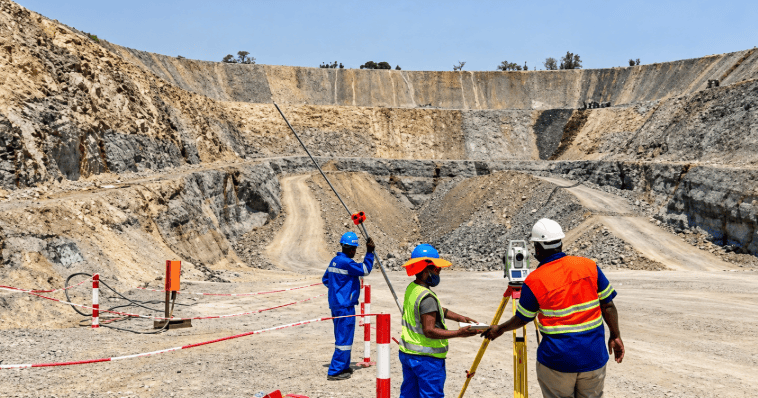
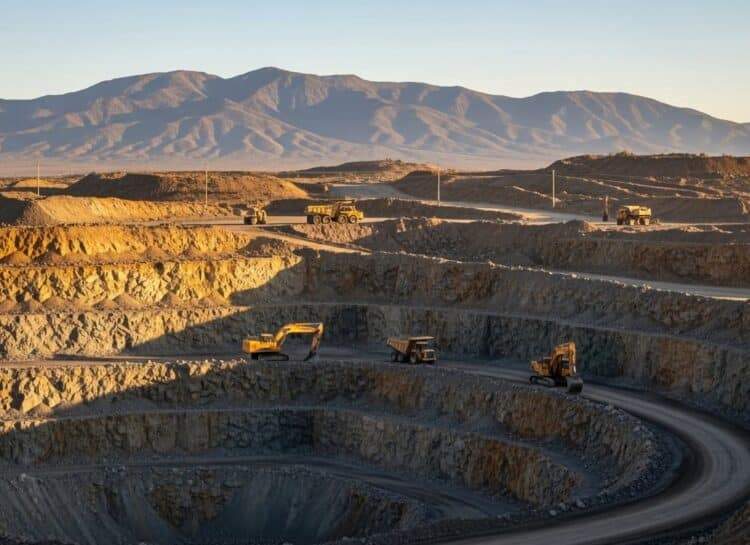
The Los Calatos project is planned as an underground mining operation, with an expected annual production of 60,000 tonnes of refined copper and a mine life of approximately 24 years. According to project information, the deposit holds approximately 477 million tonnes of mineral resources, with initial plans considering the extraction of about 150 million tonnes, leaving room for future expansion through exploration.
This acquisition comes at a time of growing global demand for copper and molybdenum. Both minerals are considered strategic resources for the energy transition due to their use in electrification, infrastructure, renewable energy, and new technologies. The project still requires approval of a detailed environmental impact assessment (EIA-d) before construction can begin, initially expected to start in 2027, with the goal of commencing production by 2029.
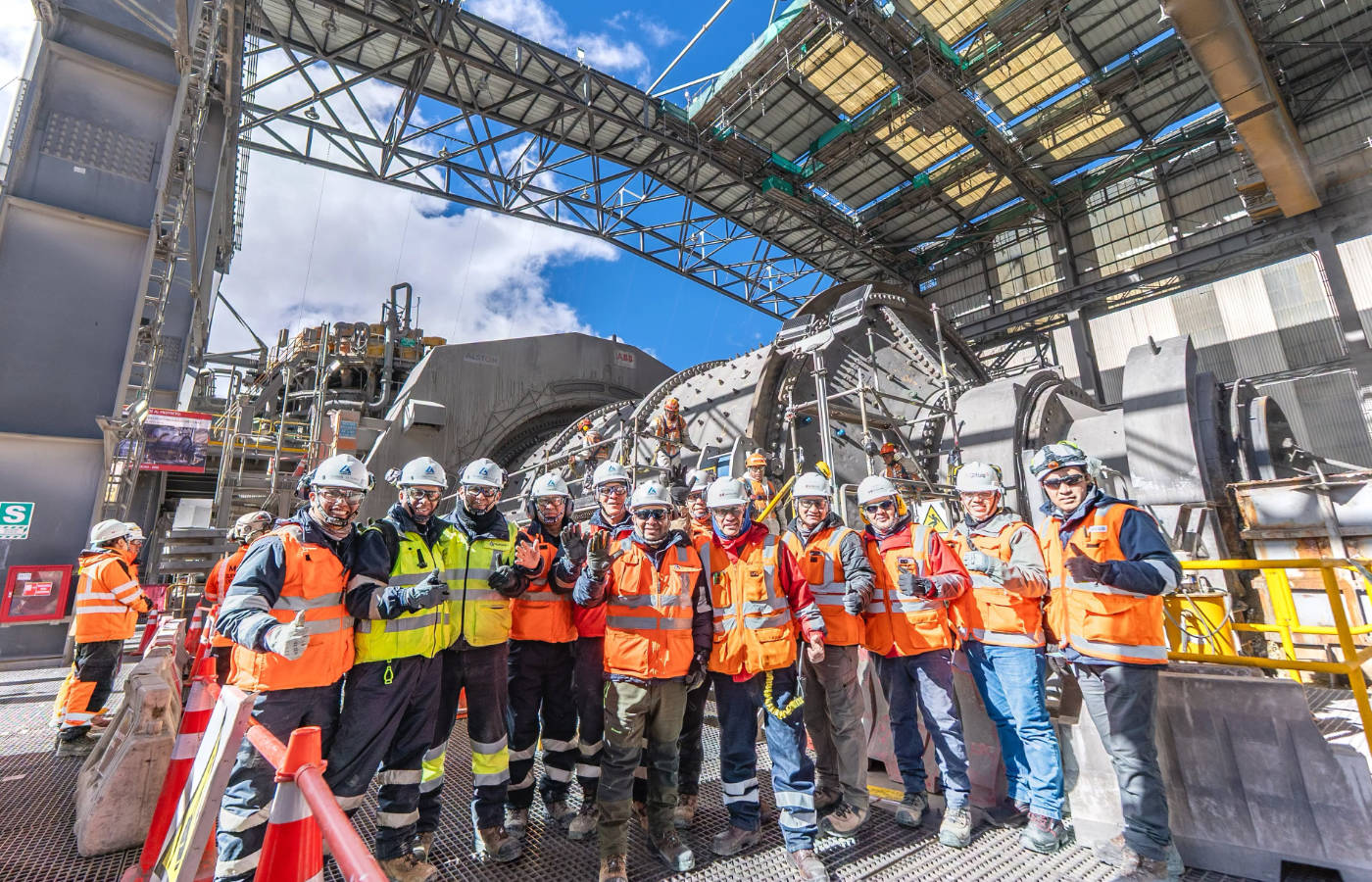
Recently, Chinalco also announced the official launch of a project to replace the end covers, shells, and trunnion components of ball mills 210-ML-002 (MB1) and 210-ML-003 (MB2) at its Toromocho mine. The project plans to fully replace the shells of both ball mills without dismantling the stators, a procedure that allows simultaneous operations and direct interaction with other parts of the grinding plant still in operation, thereby minimizing prolonged downtime.
In Peru, Chinalco already operates the Toromocho mine in the Junín region. With the addition of the Los Calatos project, its presence in the country's southern copper belt has been further expanded.