Indonesia's Ministry of Energy and Mineral Resources Maintains Nickel Ore Basic Quota at 260 Million Wet Metric Tons, Supplementary Quotas to Be Approved on a Per-Company Basis in July
en.Wedoany.com Reported - Recently, at a relevant meeting, Indonesia's Ministry of Energy and Mineral Resources (ESDM) did not announce an official figure for the increase in the total 2026 nickel ore RKAB quota, with the basic quota remaining at 260 million wet metric tons. The new supplementary quotas will only be announced after ESDM completes its approval process.
The meeting disclosed the latest approval rules: the application window for mine supplementary quotas is from July 1 to 31, during which time only applications for additional production increases can be submitted. Regarding approvals, new quotas must be tied to Indonesia's domestic captive smelting capacity. Applications for production increases from pure mining companies are likely to be rejected, and the capacity of mines exporting raw materials will not be liberalized. The approval method is case-by-case and per-company, resulting in significant uncertainty regarding the final total increase.
Looking at the pace of transmission from quota policy to the market, the entire month of July serves as the application window. Even if mining companies submit applications by July 31, it will still take time from the completion of the approval process to actual supply release. There are notable lags in the approval cycle, mine restart pace, and logistics coordination. Against this backdrop, the market's pricing logic for nickel ore supply will gradually shift from the previous linear extrapolation based on expectations of overall loosening to a realistic game of per-company approvals.
Analyzing the impact on the stainless steel market dimension, the suspense over the current RKAB quota approval remains, but overall market expectations have gradually shifted from extreme tightening to moderate relaxation. The most severe phase of nickel ore supply tightening may have passed. As supply-side constraints marginally ease, the driving force of ore price costs pushing up downstream stainless steel prices has weakened. Nickel prices face some downward pressure, thereby dragging down stainless steel prices from the cost side.
From the demand side, the pace of end-user demand release has clearly fallen short of expectations. Downstream companies generally face tight capital conditions, leading to a conservative procurement mindset. Bulk concentrated restocking orders are relatively scarce, with market transactions mainly consisting of scattered small orders for essential needs. Downstream price pressure continues to intensify, and overall spot market trading is sluggish. The pace of social inventory destocking lags behind supply release, with inventory continuously suppressing prices. Traders have limited confidence in the future market outlook and are more inclined to offer concessions to move goods, but destocking results are poor.
Overall, the current stainless steel market is in a game pattern of weak reality versus strong expectations. In the short term, weak fundamentals dominate. The off-season of high temperatures and heavy rains, coupled with tight end-user capital, will persistently suppress prices due to sluggish demand and thin trading activity. However, at the same time, marginal improvements in macro sentiment and the existence of a cost floor limit the potential for deep price declines to some extent. If Indonesia's nickel ore quota is significantly and unexpectedly relaxed, the cost side will face a risk of collapse, putting downward pressure on stainless steel prices. Conversely, if demand continues to recover, it may gradually absorb high inventory levels, promoting a rebalancing of supply and demand dynamics.
Related Products


Comprehensive Mining Automation Control System
Beijing Tianma Intelligent Control Technology Co., Ltd.
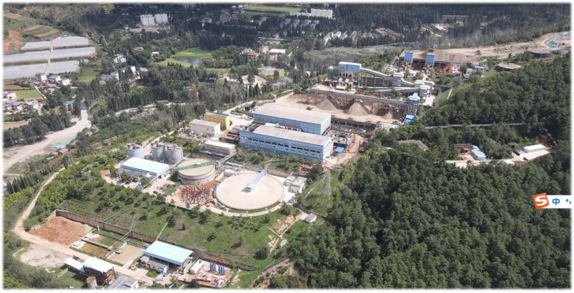
Yunnan Phosphorus Chemical Group Co., Ltd. 2 Million t/a Phosphorus Ore Mining and Beneficiation Project
China Bluestar Lehigh Engineering Corporation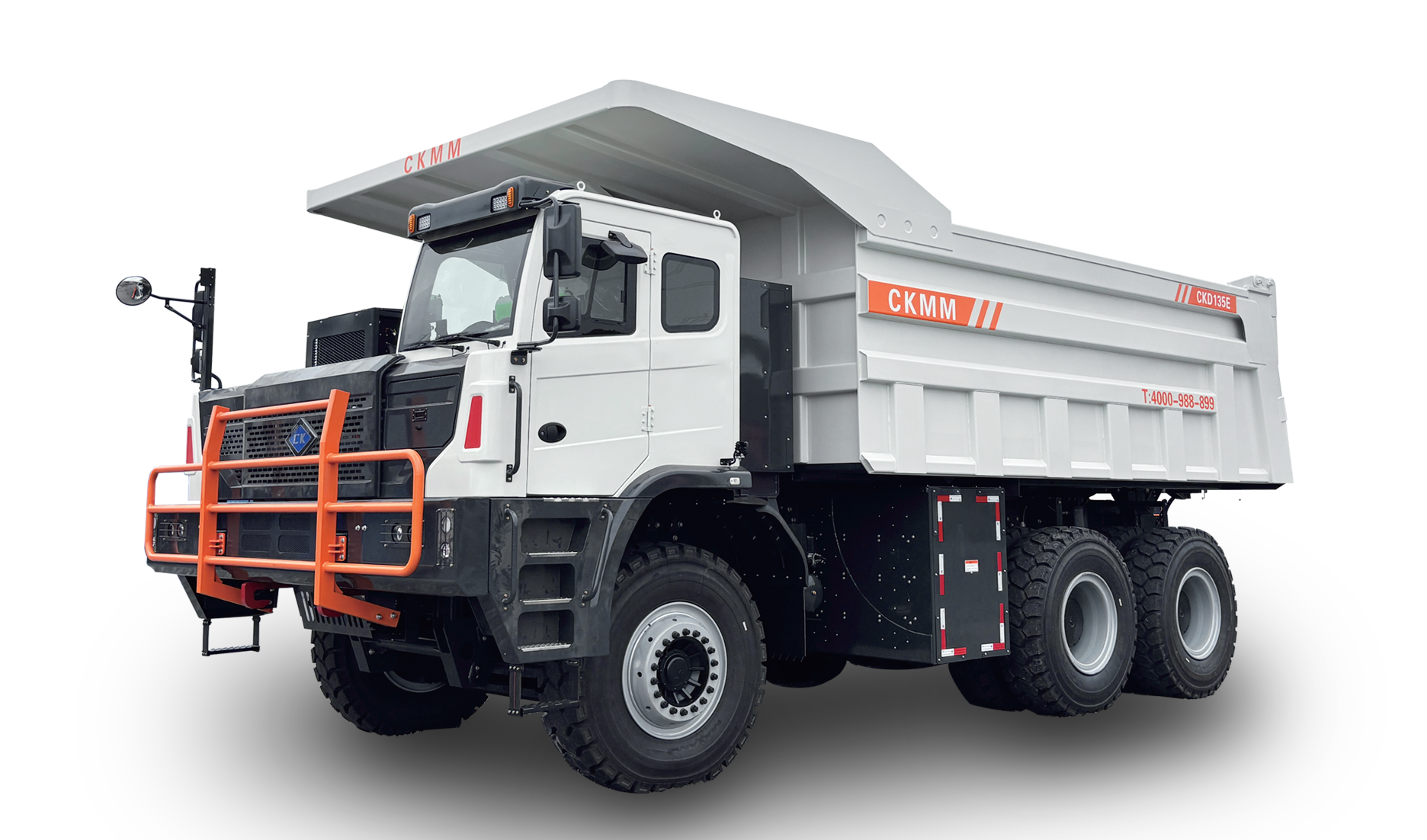
CKD135E Pure Electric Wide-body Dump Truck
Jiangsu Changkuang Engineering Machinery Co. Ltd.
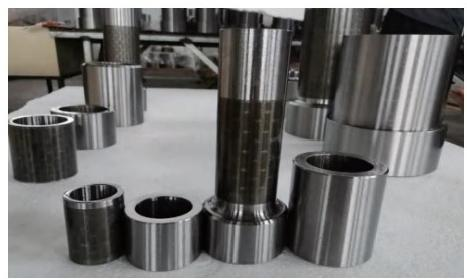
High-temperature Equal Wall Thickness High-power Screw Drilling Tool
Orient Energy & Technologies Co., Ltd.
Mine Explosion-proof and Intrinsically Safe Industrial Ethernet Ring Network (10 Gigabit/Gigabit)
Chongqing Mas Sci&Tech Co., Ltd.
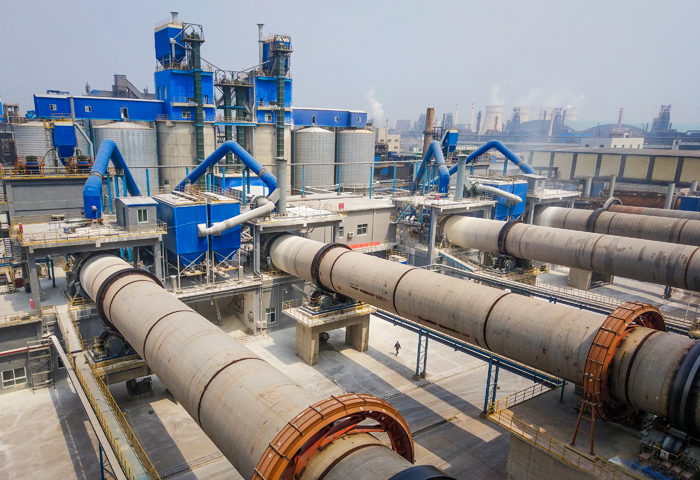
CITIC Heavy Industries Metallurgical Equipment Steel Smelting Engineering Equipment
CITIC Heavy Industries Co., Ltd.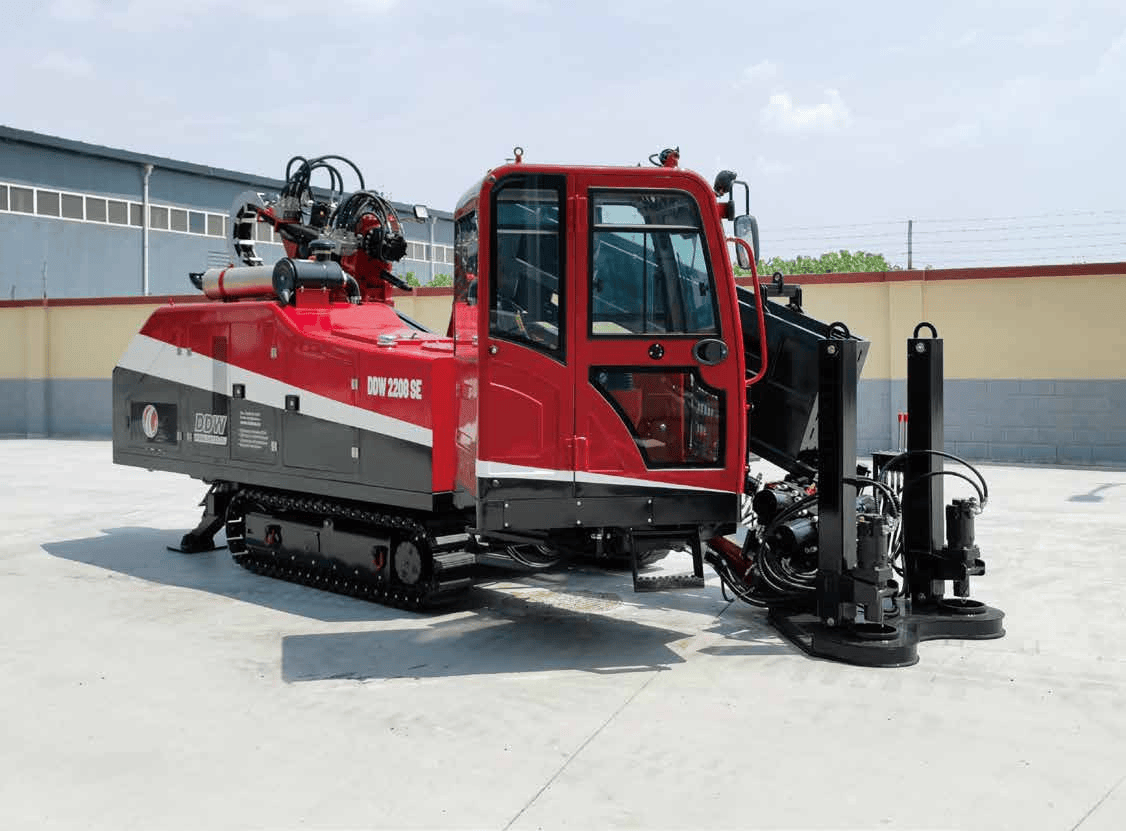
DDW22/08SE-HORIZONTAL DIRECTIONAL DRILL
DW/TXS Construction Equipment (Beijing) Co., Ltd.