en.Wedoany.com Reported - Petrobras has announced that it will adopt a new calculation mechanism to set natural gas sales prices for distributors. This new formula aims to mitigate the impact of "sudden increases" in international market conditions, reducing the expected adjustment on August 1st to 6%, instead of the previous 22%. The state-owned company emphasized that the 6% change in August is only an "estimate."
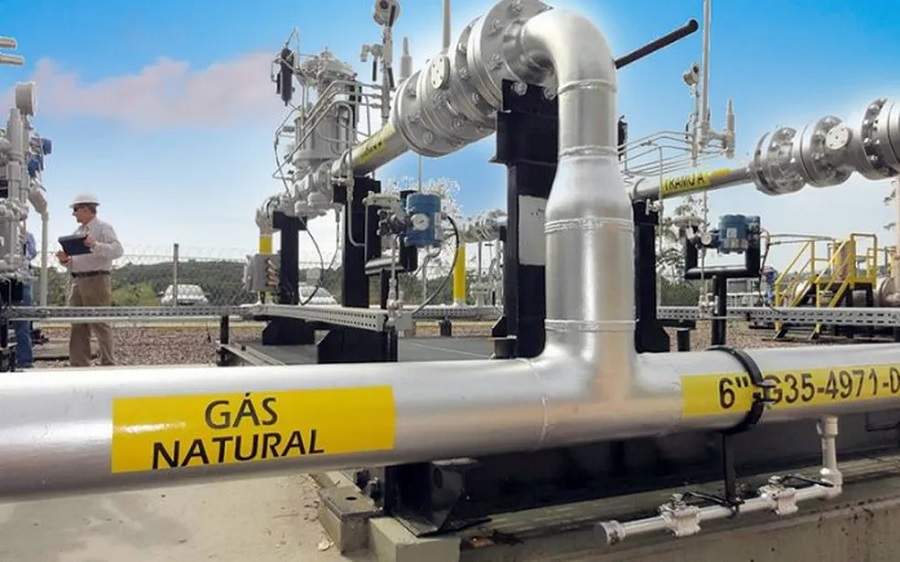
The new calculation method was approved on Wednesday (24th) but was only announced on Tuesday (30th). According to contract terms, Petrobras adjusts natural gas prices every three months. The last adjustment was implemented on May 1st, with an average increase of 19.2%.
According to the company, the new formula is a price fluctuation protection mechanism that stabilizes price volatility by setting a price band with upper and lower limits for the international crude oil benchmark, Brent.
Although Brazil itself is an oil producer, oil prices are determined by the international market as it is a commodity. By setting price caps and floors, the company aims to slow down sudden and sharp price increases when passing costs on to domestic distributors.
The state-owned company explained in a statement, "This measure aims to temporarily reduce the impact of price increases, provide greater predictability, and avoid sudden surges."
The company clarified that adoption of this new pricing mechanism by distributors is voluntary and requires signing an addendum to the natural gas supply contract.
The company stated, "This initiative strengthens customer-oriented efforts and confirms Petrobras' competitive positioning in the open natural gas market."
The statement also reminded that the final consumer price of natural gas depends on other factors such as transportation costs, profit margins, and taxes.
For vehicular natural gas (GNV), the profit level of gas stations must also be considered. Additionally, the state-owned company added that final consumer prices require approval from state regulatory agencies.
This price adjustment does not involve liquefied petroleum gas (LPG), commonly known as bottled gas.
Since the outbreak of the Middle East war in March this year, prices of oil derivatives (such as natural gas, gasoline, diesel, and aviation kerosene) have continued to rise.
The economic impact reflects damage to the oil production chain, caused by multiple blockades of the Strait of Hormuz in southern Iran due to the war, which previously handled about 20% of global oil and natural gas transportation before the conflict. Product supply has decreased, and prices have risen.
In Brazil, the government has taken measures to alleviate price increases for end consumers, including temporarily exempting related taxes and providing subsidies to derivative producers and importers, provided these companies pass on the fiscal relief to the end of the consumption chain.