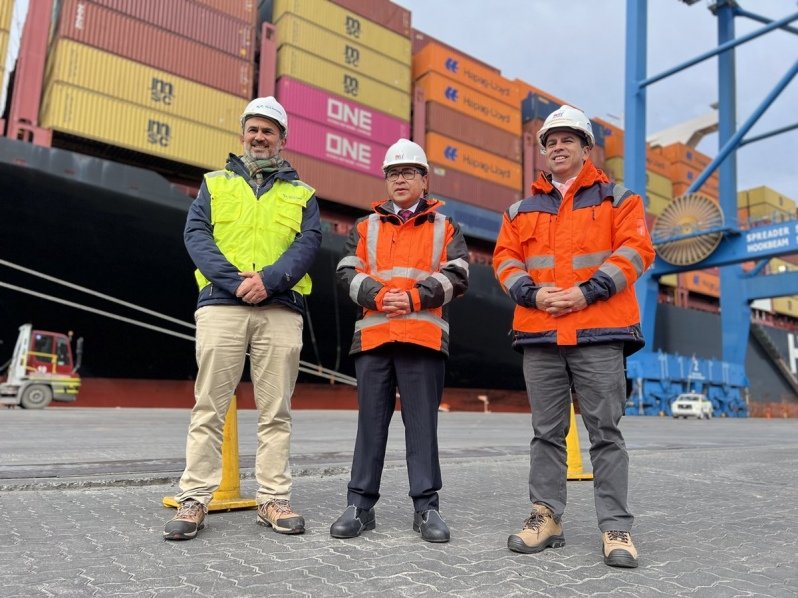
en.Wedoany.com Reported - Chile's Minister of Public Works, Transport and Telecommunications, Luis de Grange, launched a new intermodal logistics trial at AGUNSA's facilities in Lampa, Santiago. Coordinated by Conecta Logística, the trial will transport mass consumer goods between the Metropolitan Region and the Biobío Region through the combined operation of trains and trucks, aiming to promote more efficient, resilient, and sustainable logistics solutions for the country.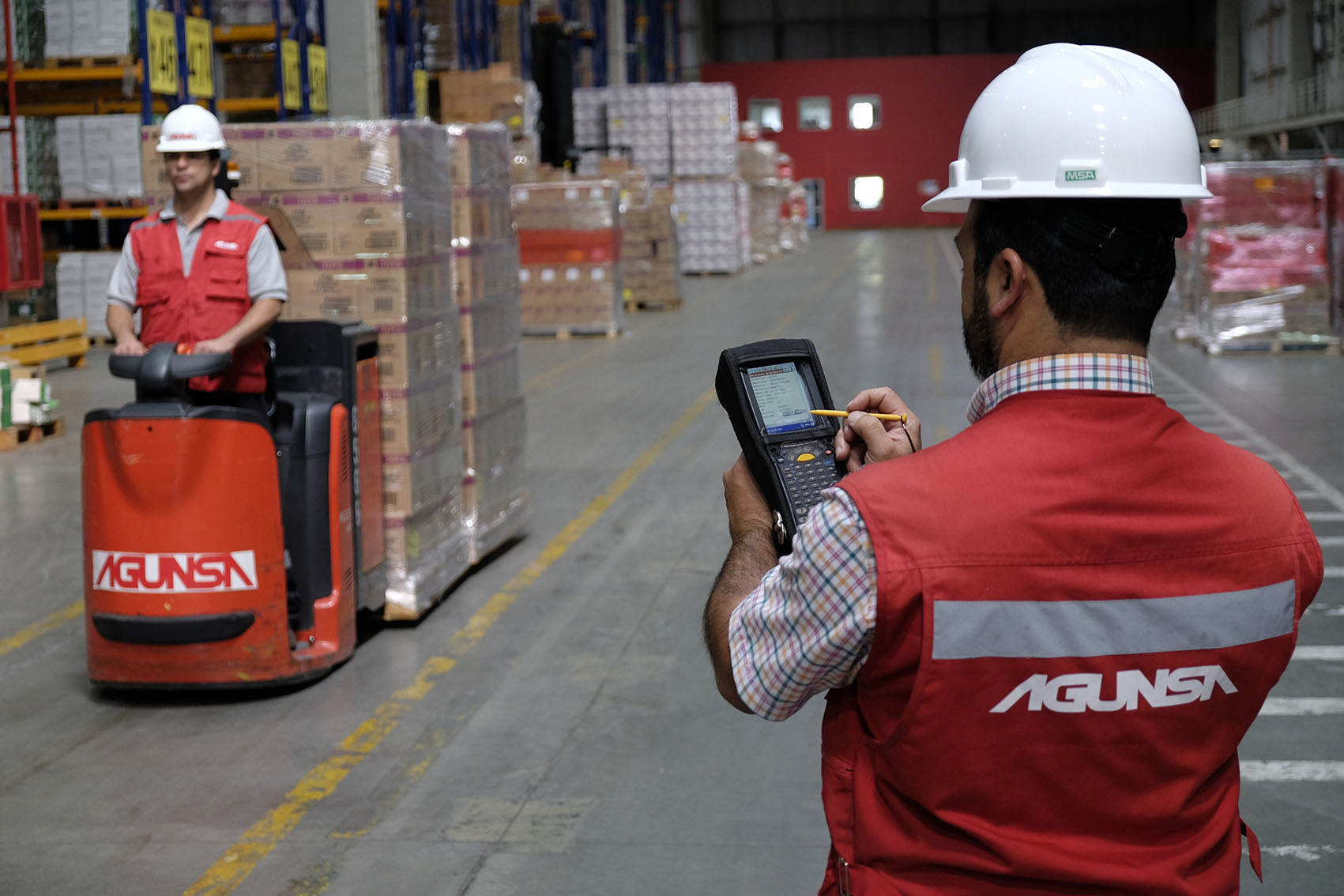
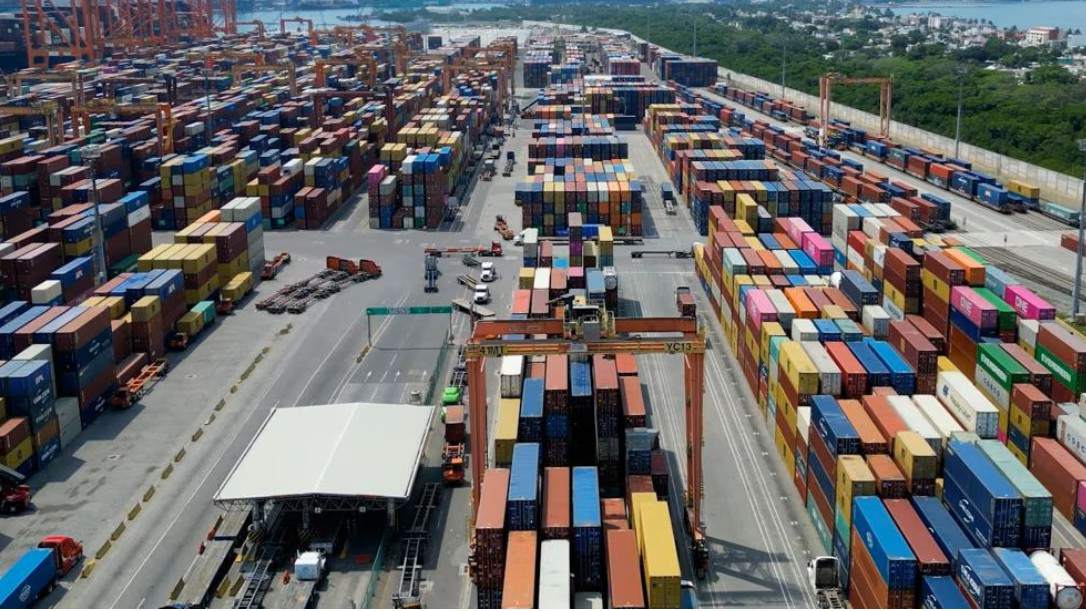
According to the plan, the trial will transport various goods, including beverages, food, and cement, along a route covering over 500 kilometers. Containers are transported by electric trucks from company facilities to AGUNSA's modal transfer center, then by train to Talcahuano, and finally transferred to trucks for last-mile delivery. Minister Luis de Grange stated that public-private collaboration combining trains and trucks for freight transport is entirely feasible, and hopes more companies will join this paradigm shift to continue strengthening such initiatives.
Mabel Leyva, Executive Director of Conecta Logística, pointed out that intermodal transport does not replace one mode of transport with another but fully leverages the advantages of each. Trains and trucks play different but complementary roles in the logistics chain, and when coordinated, they expand available options, achieving more efficient and sustainable freight transport.
Matías Lazo, General Manager of AGUNSA, stated that this helps transform freight transport between the country's central and southern regions, and noted that such initiatives are crucial for AGUNSA's growth, attracting new customers and increasing core business volume. Felipe Arriagada, General Manager of the Shipping Group (GEN), emphasized that participating in this milestone with AGUNSA is significant for practically advancing national logistics development and creating infrastructure and opportunities. He revealed that GEN, through its various companies, is involved in numerous logistics and freight transport projects, with operations covering port activities in the Valparaíso Region, Biobío Region, and Los Lagos Region.
This operation involves coordination among multiple participants in the logistics chain. Land transport is handled by Sotraser, using part of its electric truck fleet; rail transport is undertaken by FEPASA; cargo transfer between the two modes is carried out by AGUNSA in Santiago and SITRANS in the Biobío Region. Jorge Claude, Chairman of the Chilean Railway Company, stated that railways can play a key role in longer-distance transport, contributing to the logistics chain by complementing road transport, and such initiatives help promote the construction of a more integrated logistics network.
Companies participating in this trial include CCU, Falabella Group, ICB, Melón, Viña Concha y Toro, and Pentacrom. These companies provide different types of cargo, covering food, beverages, wine, retail products, ceramics, and construction materials, to assess the adaptability of the intermodal model to various operational needs. One of the main expected outcomes of this trial is to generate technical and operational information that will aid in the development of future intermodal transport solutions. To this end, the Center for Advanced Transport, Logistics, and Economic Competitiveness (CATLEC) will monitor the operation process through GPS and telemetry technology and evaluate emission reductions related to freight transport.
This trial follows a pilot project conducted in 2024 between Santiago and Temuco, during which 32,000 liters of beverages were transported via rail intermodal transport. This was the first such operation in over 15 years, providing valuable experience for developing regular services.