en.Wedoany.com Reported - The Ministry of Economy (Secretaría de Economía), the National Customs Agency of Mexico (Agencia Nacional de Aduanas de México, ANAM), and the Tax Administration Service (Servicio de Administración Tributaria, SAT) officially liberalized customs agency operations nationwide on July 1, 2026, aiming to enhance foreign trade competitiveness. This measure marks a step in the modernization of customs procedures, providing greater legal and operational certainty for import and export companies.
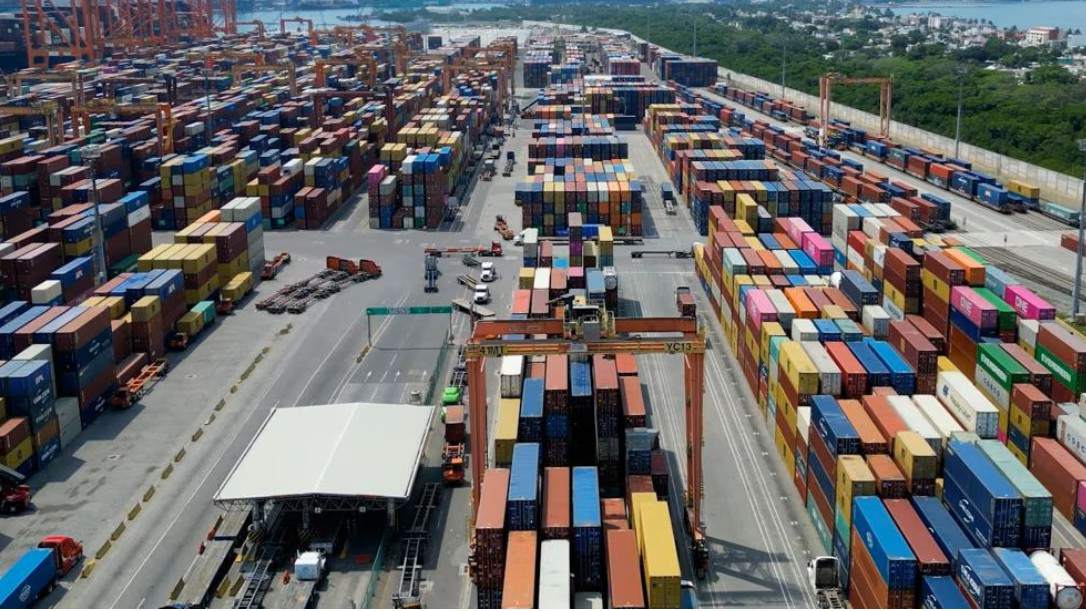
The launch of this measure resulted from technical and operational coordination among the Ministry of Economy, ANAM, and SAT. Relevant authorities made necessary adjustments to institutional systems to enable the practical operation of the new roles stipulated in customs legislation. This initiative is part of the federal government's "Plan México," designed to enhance competitiveness, promote foreign trade, and improve operational efficiency at 50 customs offices nationwide.
Before nationwide implementation, authorities conducted a pilot project from May 19 to June 30, 2026. During this period, the model's operation was evaluated, and technical and legal opinions raised by the Customs Agents Federation were addressed, ensuring an orderly transition and minimizing impacts on foreign trade operations. The agencies stated that this work strengthened the initiative before its entry into force and ensured compliance with Mexico's international commitments in customs matters.
Under the Customs Law, a customs agency is a legal entity authorized to facilitate the clearance of goods under different regimes established by Mexican law. The introduction of this role aims to enhance the flexibility of customs services, strengthen institutional operations, and provide greater certainty for companies engaged in import and export activities.
The nationwide liberalization of customs agency operations is one of the federal government's actions to simplify procedures, reduce processing times, and facilitate the flow of goods through Mexican customs. Authorities hope to thereby strengthen the institutional infrastructure underpinning Mexico's international trade, adapting to the need for more agile, digital, and efficient customs processes driven by export growth, nearshoring, and supply chain integration. This implementation also responds to the need to modernize the national customs system and create conditions conducive to attracting investment, developing manufacturing, and enhancing the country's logistics competitiveness.