en.Wedoany.com Reported - Swedish aerospace company AAC Clyde Space has received an order worth €2 million (approximately SEK 22.1 million) from the European Space Agency (ESA) to develop and validate an airborne microwave radiometer in flight, supporting future satellite altimetry missions. The project has a duration of 24 months, and revenue will be recognized over the execution period.
AAC Clyde Space's subsidiary, AAC Omnisys, will serve as the prime contractor. Specializing in microwave instrument development, the company is responsible for instrument development, system integration, and delivery of the complete instrument system. The project is being carried out with international partners, including the National Research Council Canada, McGill University, and the University of Bern.
Satellite altimetry is a method for measuring sea level and ocean conditions, which is crucial for climate monitoring and operational services. This project builds on AAC Clyde Space's existing expertise in microwave radiometry. The company recently secured a major contract to supply radiometers for Europe's next-generation EPS-Sterna meteorological satellites, with its technology already validated in orbit. This airborne project demonstrates that the same technology can support both weather monitoring and ocean observation, thereby expanding its application to a broader range of Earth observation missions.
Luis Gomes, CEO of AAC Clyde Space, stated that the company has established a strong position in microwave radiometry through previous missions and major programs, and this project showcases how the same technology can be applied to new scenarios to support the company's continued growth.
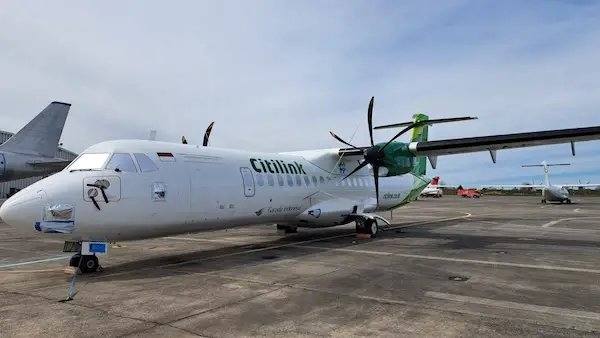
When satellites measure ocean height, the atmosphere interferes with and reduces measurement accuracy. By measuring brightness temperature at the top of the atmosphere, airborne radiometers help eliminate atmospheric effects and improve data reliability. This approach enhances the accuracy of altimetry measurements for sea level and ocean conditions, particularly near coastlines. This airborne project is an ESA-funded development initiative aimed at designing and flight-validating the measurement capabilities of low-frequency and high-frequency airborne microwave radiometers, supporting future satellite altimetry missions by improving the accuracy of sea level and ocean measurements.