en.Wedoany.com Reported - OpenAI CEO Sam Altman published a commentary titled "Here's How We Make AI Safe for Everyone," proposing an artificial intelligence governance framework centered on global safety standards, independent oversight, and international cooperation.
The article comes amid intensifying debates over control of frontier AI. In recent months, the United States has tightened restrictions on international access to advanced models, including in Europe. Anthropic restricted the availability of its Mythos 5 and Fable 5 models outside the U.S. in early June, but this week the company announced it had reached an agreement with the U.S. government and reactivated Fable 5. Altman's proposal introduces a clear tension in this context: advocating for the democratization of AI benefits while granting the U.S. a central role in technology governance. The solution is an international forum led by Washington, responsible for developing internationally recognized standards, providing impartial analysis of AI capabilities and risks, and offering access to this technology to countries and companies that participate and comply with these rules.
Altman argues that such a governance structure is a prerequisite for widespread technology deployment. "If we don't take steps to address the real safety threats before us, the world will not be able to enjoy the benefits of artificial intelligence," he wrote, adding that "establishing safety standards is a fundamental requirement for this technology to be widely adopted." The forum could bring together government representatives, independent technical experts, and other stakeholders, while also serving as an oversight body for regulators and AI labs, guarding against a dangerous and unsafe race in technology development driven by commercial pressures.
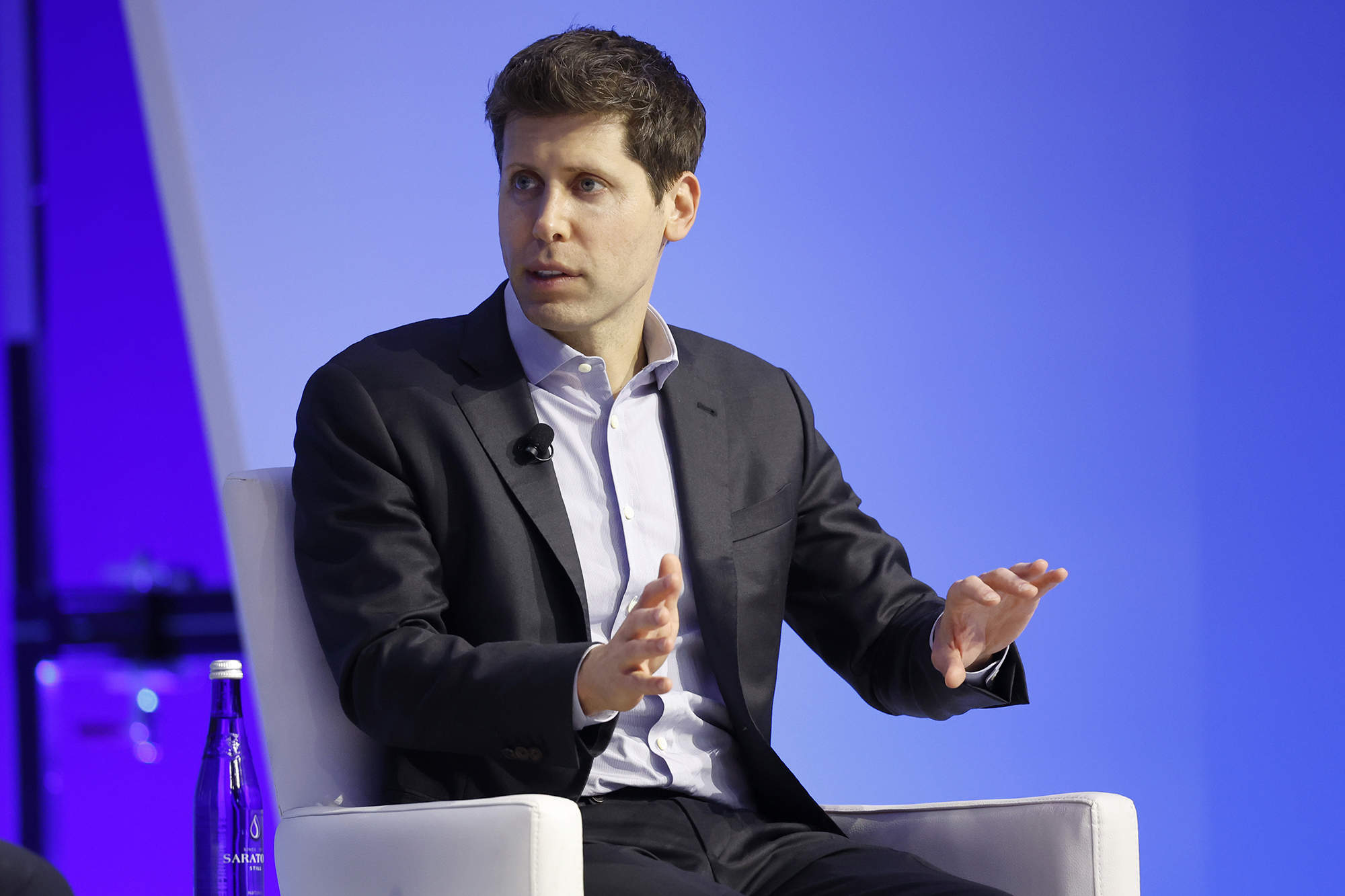
The core idea of the article is that international safety standards should precede the rollout of the most advanced systems. Altman believes that all countries, companies, and citizens should benefit from AI, but only if common rules and certification mechanisms exist to ensure safe use. In his view, nations would comply with standards set by the international forum and, in return, gain stable access to the most advanced models. The proposal attempts to address two concerns in the international debate simultaneously: avoiding excessive concentration of technological power and reducing risks from increasingly powerful systems. "This kind of international cooperation seems like a sensible way to avoid excessive concentration of power and ensure the democratization of AI benefits," the executive stated.
This approach marks a shift from the focus of debates in recent years. Altman no longer solely advocates for national regulation or reliance on tech companies' self-regulation, but instead proposes an international governance model drawing from other strategic fields, citing aviation safety, international financial standards, and the International Atomic Energy Agency (IAEA) as examples, arguing that AI should develop under similar cooperative mechanisms. At the same time, he seeks to dispel the notion that large tech companies should assume a regulatory role. "Labs develop technology, but citizens and their elected representatives should set the rules," he wrote, emphasizing: "The most important decisions about how this technology is used should be made through democratic processes, not by a handful of companies in San Francisco."
The article reflects Altman's optimism about the future impact of AI. He suggests that within one to two years, systems with capabilities far exceeding current ones could emerge, accelerating scientific discovery, driving economic growth, and profoundly transforming society. "AI will change the material conditions of human life on a scale that no technology has achieved since the harnessing of electricity—perhaps even greater," he predicted. Nevertheless, he believes this scenario depends on establishing an international trust framework; otherwise, countries will tend to respond by imposing national restrictions on AI development and distribution, leading to a more fragmented ecosystem. Altman thus calls for international cooperation: "We need to find ways to build global trust in this technology so that we can all share in these benefits."