Fast-Charging Equipment Is Upgrading Around Liquid Cooling and Modular Maintenance
en.Wedoany.com Reported - The fast-charging market is becoming one of the most important upgrade directions for Charging and Battery Swapping Equipment. As EV driving range improves and users expect shorter energy replenishment time, low-power DC chargers are no longer sufficient for high-turnover sites such as highway service areas, urban commercial districts, ride-hailing hubs and logistics charging stations.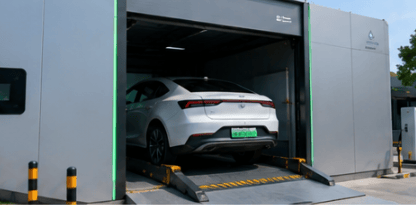
The purchasing logic for charging equipment is also changing. In the past, buyers often compared rated power, connector quantity, price and delivery time. Today, more projects evaluate system efficiency, power module lifetime, cooling method, noise control, protection rating, metering accuracy, communication protocols, payment compatibility and platform integration. In hot, cold, humid, dusty or high-frequency operating environments, long-term reliability directly affects site revenue and customer experience.
Liquid-cooled fast charging is one of the most closely watched technologies. Compared with traditional air-cooled designs, liquid cooling can support higher power output, better thermal control, lighter cables and more stable continuous operation. This makes it suitable for ultra-fast charging stations and highway corridors. However, it also increases system complexity. Sealing, pumps, valves, coolant quality, maintenance capability and after-sales response become part of the real equipment value.
High-voltage EV platforms are also reshaping charger design. As more vehicles adopt higher-voltage architectures, charging equipment must support a wider voltage range and maintain stable communication with different vehicle models. For operators, multi-brand compatibility, connector standard adaptation and software upgrade capability are becoming essential for long-term station operation.
The future value of fast-charging equipment is not only about peak charging speed. It is also about low failure rates, easy maintenance, scalable capacity and grid-friendly operation. Manufacturers with modular power design, remote maintenance platforms, flexible power allocation, storage coordination and reliable supply chains will be better positioned in premium public charging networks and fleet charging projects.
Related Products

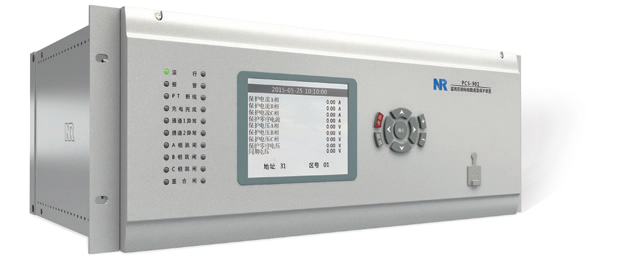
PCS-901 Series Ultra (Extra) High-voltage Transmission Line Complete Protection Device
Nanjing NR Electric Co., Ltd.
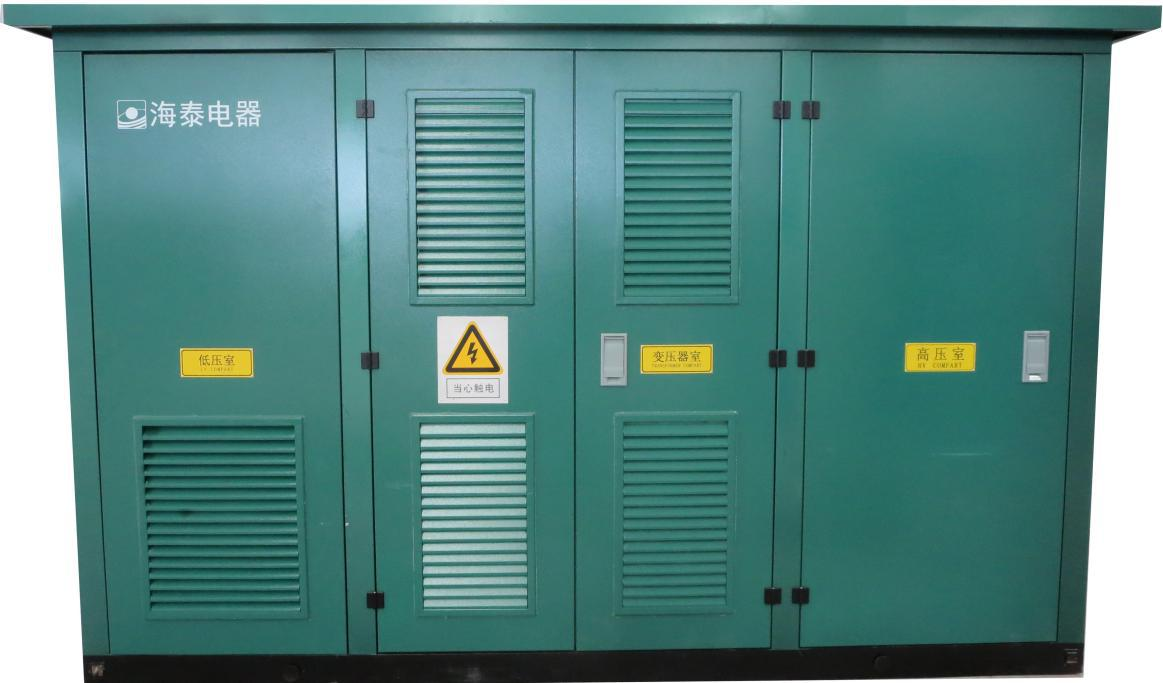
The YB□-12/0.4 pre-installed substation
Shenyang Huade High Technology Electric Co., Ltd.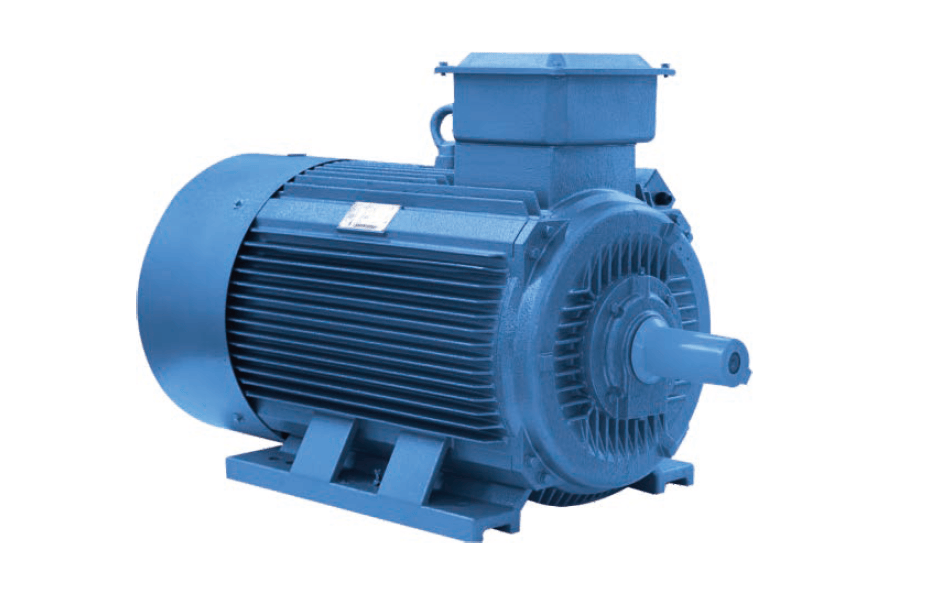
TYC Series High-Efficiency Permanent Magnet Synchronous Motor
Xiangdian Smart Energy Technology Co., Ltd.
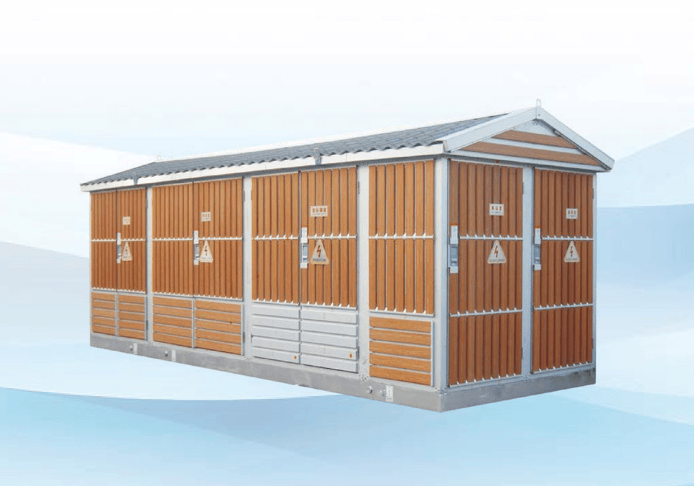
YB □ -12/0.4/1250 Outdoor Prefabricated Substation (European Style)
Shangrao Shangyu Intelligent Electric Co., Ltd.
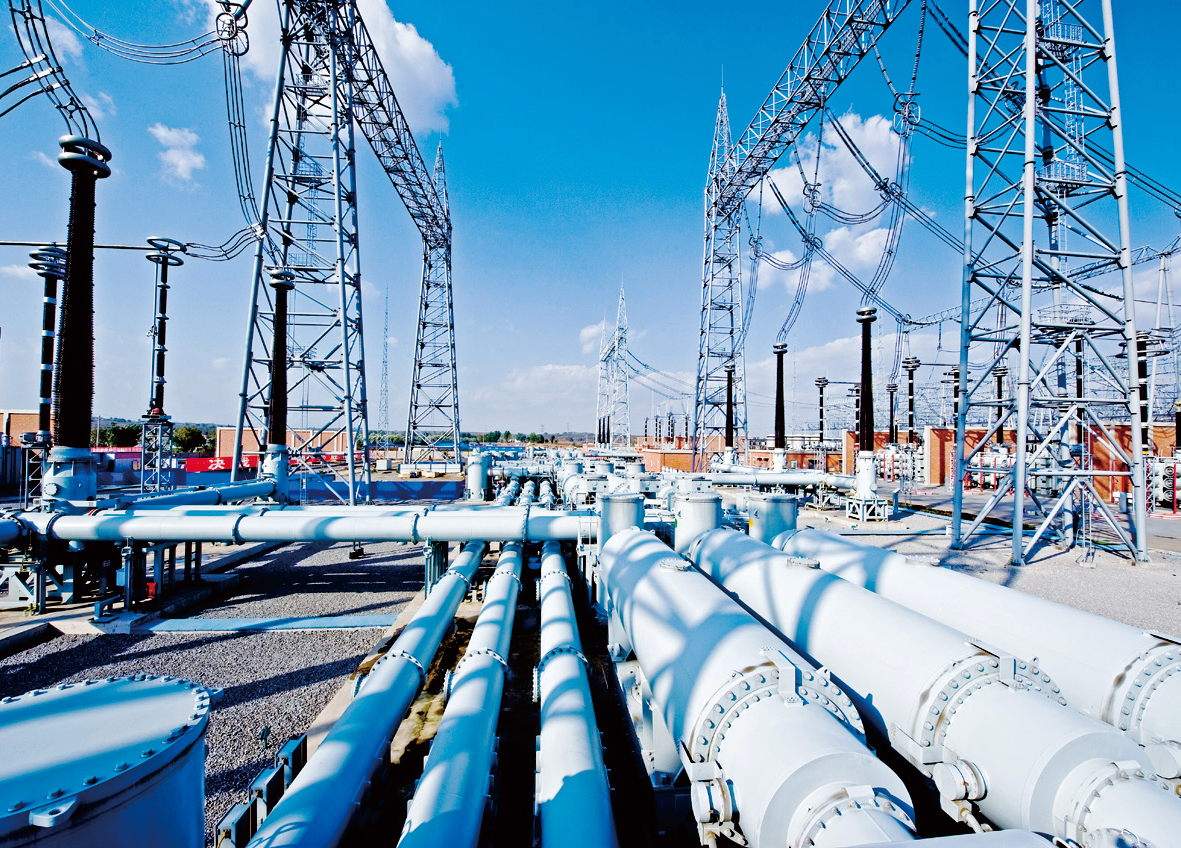
40.5kV-1100kV Gas Insulated Metal-Enclosed Switchgear (GIS)
Henan Pinggao Electric Co., Ltd.