UK's GeoPura completes 300 kW hydrogen-electric co-charging demonstration at Port of Tilbury
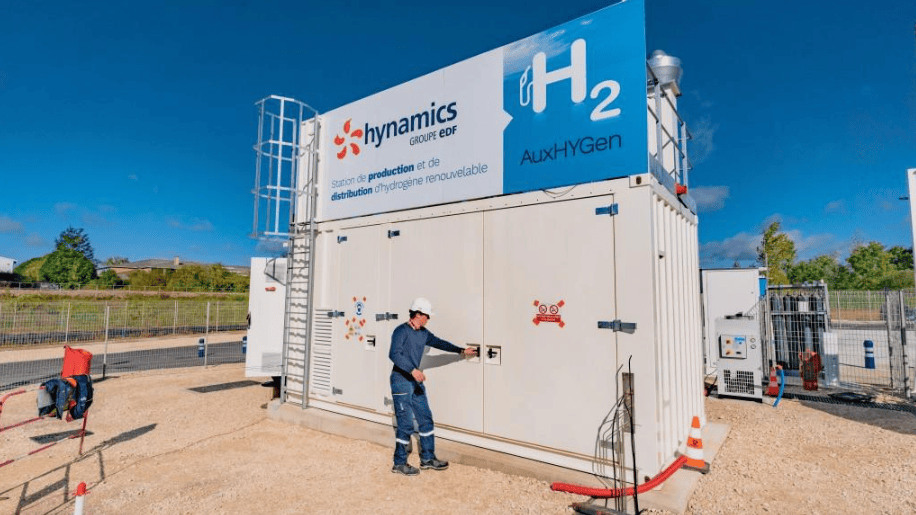
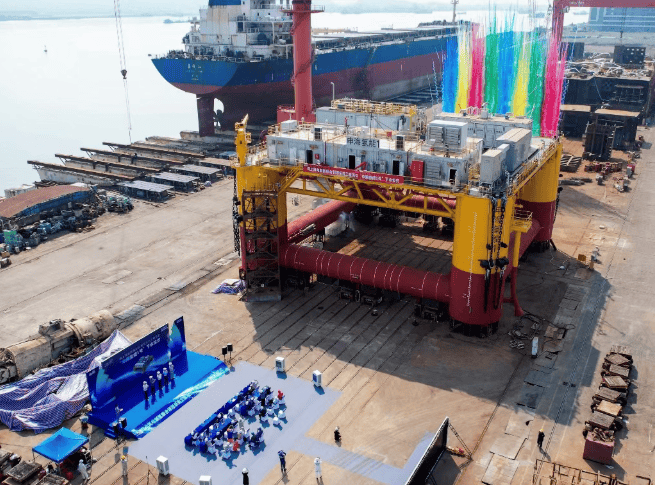
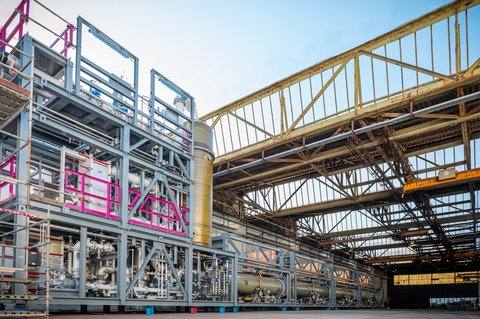
en.Wedoany.com Reported - Hydrogen energy company GeoPura has completed a hydrogen-electric co-charging demonstration at the Port of Tilbury on the River Thames: a hydrogen power unit (HPU) mounted on a floating platform delivered 300 kW of electricity through five Ballard fuel cells to charge a commercial electric vessel. The vessel is purely battery-powered, with hydrogen serving to be converted into electricity and fed into the marine battery via the charger.
Port berths face a tricky electricity problem. A single berth may require hundreds of kilowatts or even several megawatts within a short period, and local grid connections struggle to support such instantaneous loads; distribution upgrades take time, trenching and cabling in industrial sites is difficult, and the power a vessel needs within an hour of berthing can exceed what the berth requires for the rest of the day.
This type of demand is structurally closer to a battery storage problem. A smaller grid connection can slowly charge stationary batteries between vessel calls, and when a vessel arrives, the batteries discharge at a rate far exceeding what the grid can provide. The grid sees a relatively steady load, while the vessel sees a high-power charger; when schedules allow, containerized batteries can also be swapped, separating charging time from vessel turnaround time.
Tilbury is a useful testing ground because the power constraints there are real, even if the hydrogen solution is not obviously optimal. The TFIE Strategy Briefing outlines the missing infrastructure, competing battery architectures, and evidence of what repeated deployment actually looks like. GeoPura's hydrogen route has a longer chain: renewable electricity produces hydrogen, the hydrogen is stored and transported, fuel cells convert it back into electricity, the HPU conditions it for the charger, and it ultimately powers the vessel's battery. Based on efficiency figures provided by GeoPura, approximately 3.1 MWh of electricity input to the electrolyzer yields about 1 MWh of usable power after fuel cell conversion.
Efficiency losses do not automatically render hydrogen equipment valueless. Temporary construction sites, event venues, and remote facilities where grid power is unavailable have sound reasons to replace diesel generators with quiet, zero-emission hydrogen equipment, and GeoPura already has equipment, customers, and real-world deployment experience in these areas. But for a port berth whose ultimate demand is high-power battery charging, introducing a hydrogen loop into the chain requires stronger justification.
A distinction exists between a demonstration and a scalable system. A commercializable marine charging system needs repeat customers, high utilization, viable electricity pricing, and infrastructure that gains value as usage scales. Grid connections, substations, chargers, power electronics, and buffer batteries can serve vessels while also supporting electric trucks, port machinery, buildings, and stationary storage. Hydrogen deployment involves new production arrangements, storage systems, fuel delivery solutions, and fuel cell applications, each of which easily becomes announcement material; the transformers and batteries behind the dock are mostly just infrastructure.
Tilbury proves that hydrogen can charge an electric vessel. The commercial case will begin with the data operators present: how many vessels used the system, how many MWh were delivered, what the cost of delivered power was, and whether another port will buy a unit after seeing those figures. The maritime transition will look less like a string of "technology firsts" and more like routine operations where vessels arrive, charge, and depart on time. If demonstrations do not lead to a second, third, or hundredth deployment, the accumulation of "firsts" becomes evidence of commercialization weakness rather than strength.
Related Products
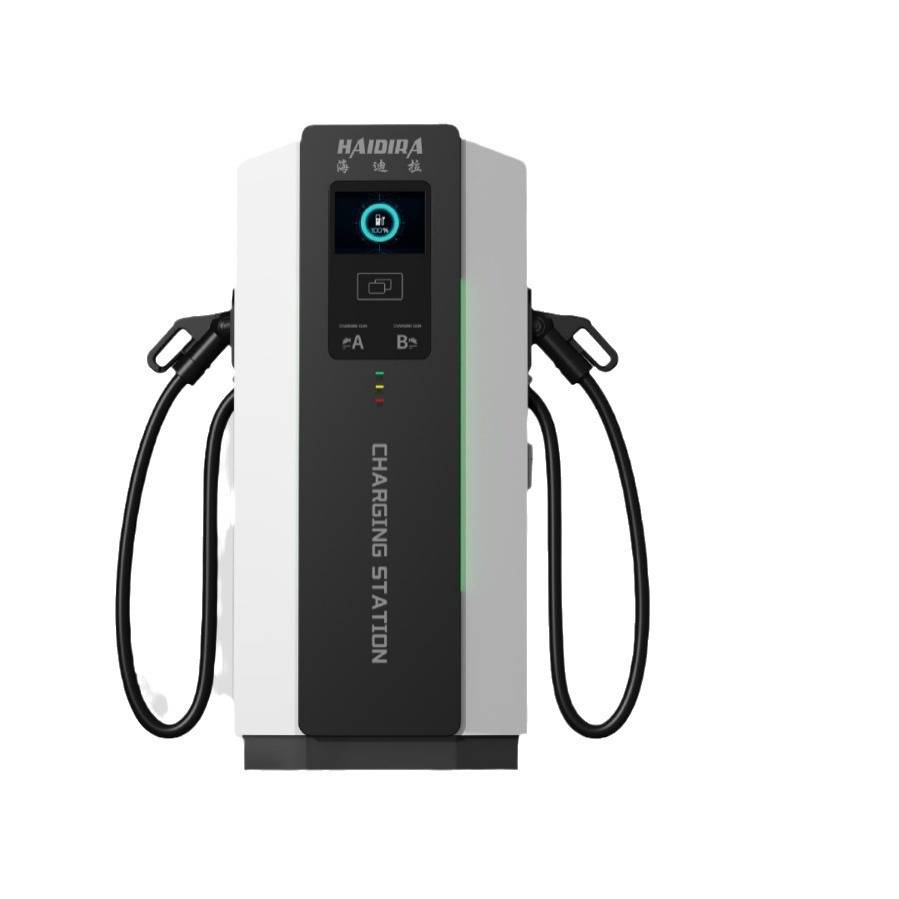

Manufacturer Direct Sales Tesla New Energy Electric Vehicle Universal DC 180kW Dual-gun Charging Pile Commercial Fast Charger
Anhui Haidira Electric Technology Co., Ltd.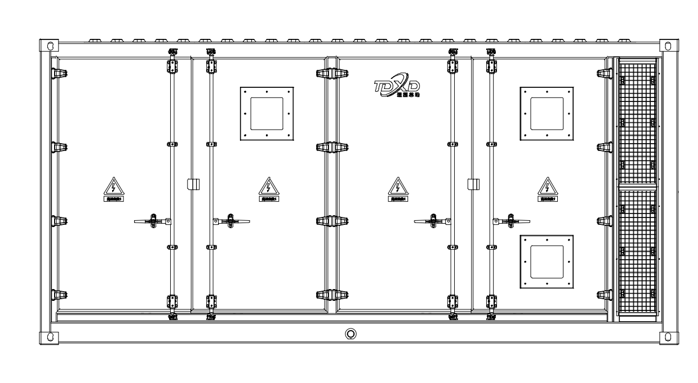
5012kWh DC Energy Storage System TD-EES-5012kWh
Suzhou Tongding Xindong Energy Storage Technology Co., Ltd.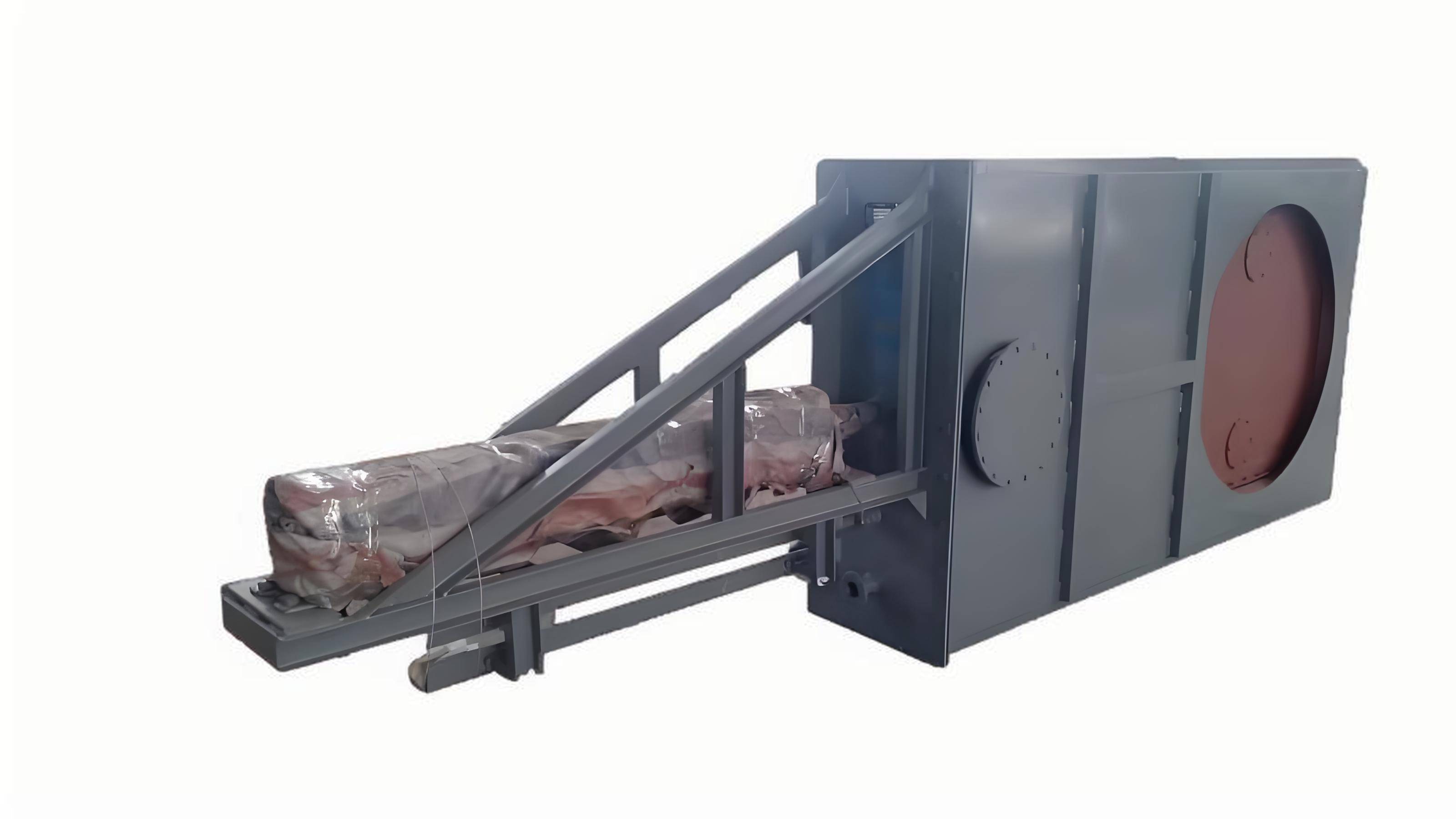
Double-slide Triple-sealed Hot Air Isolation Door
Xi'an Yingchuan Electric Power Equipment Co., Ltd.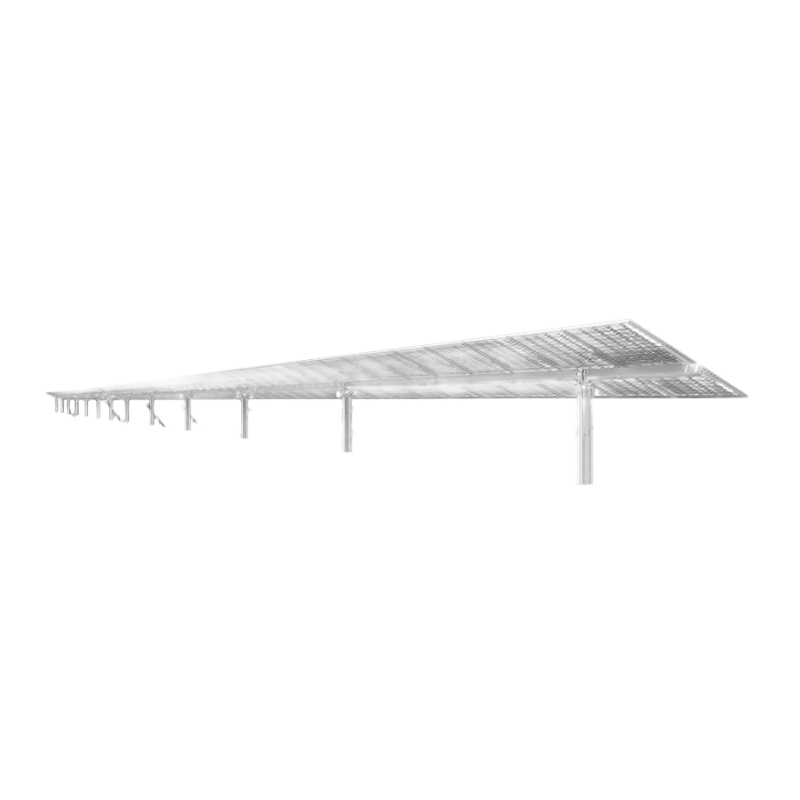
TAI Slew-drive Single-axis Independent 1P Tracking Bracket System
ANTAI TECHNOLOGY CO., LTD.
80kW Megawatt Supercharging Module TH80F10030C9
Shijiazhuang Tonhe Electronics Technologies Co., Ltd.
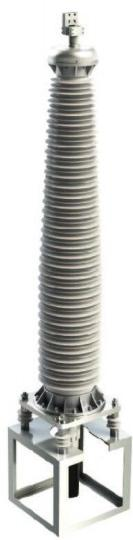
220kV Composite Outdoor Cable Terminal
Shenyang Guolian Cable Accessories Manufacture Co., Ltd.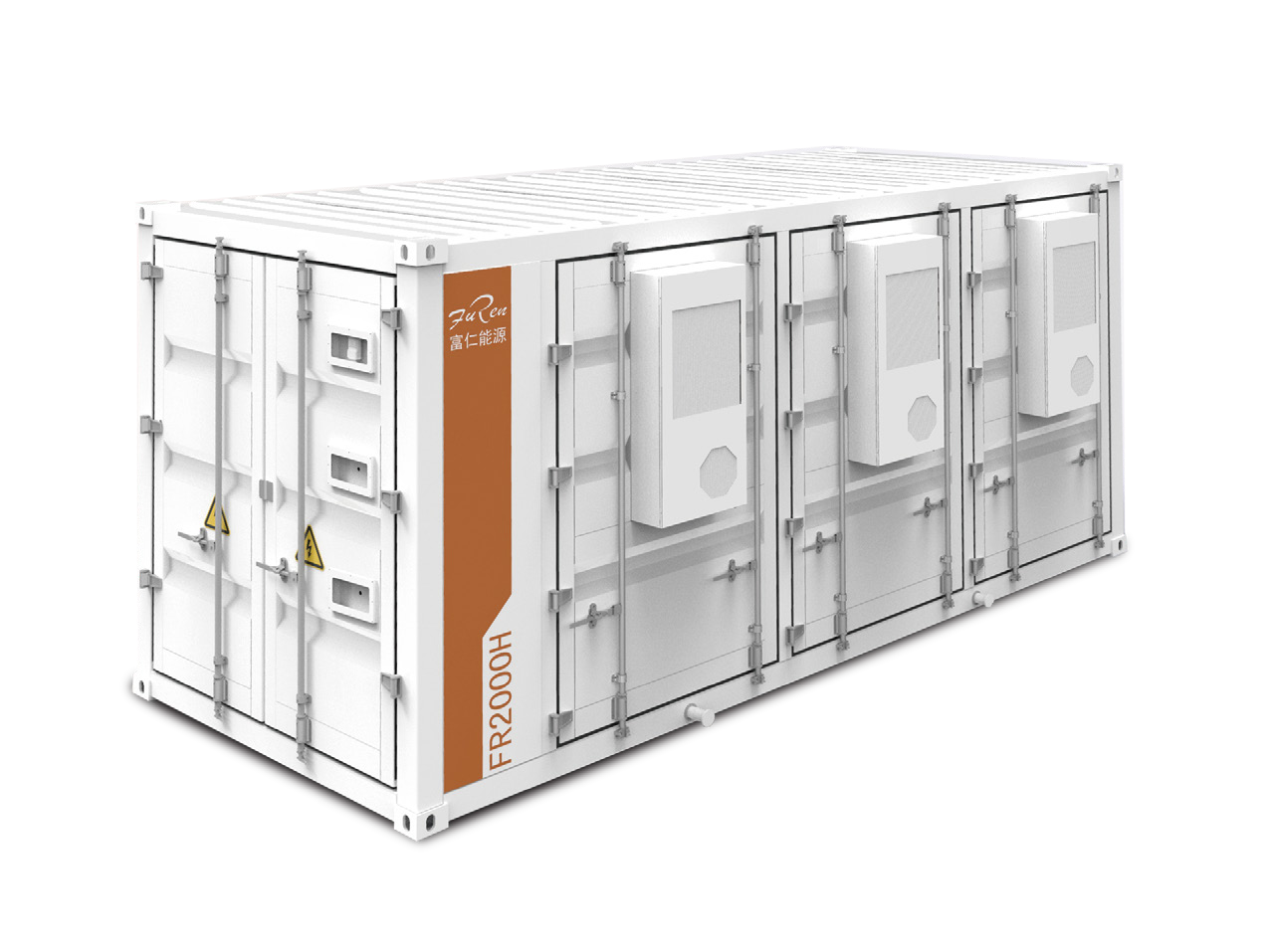
FR2000H 2.15MWh (Air-cooled) 20-foot Containerized Energy Storage System
Jiangyin Furen High-tech Co., Ltd.