U.S. Oak Ridge and Idaho National Laboratories Demonstrate Arc-Based 3D Printed Pressure Vessel
en.Wedoany.com Reported - On August 21, the U.S. Department of Energy's Oak Ridge National Laboratory and Idaho National Laboratory launched a joint research initiative on critical nuclear components and showcased a pressure vessel fabricated using wire arc additive manufacturing. The two parties will combine metal 3D printing, AI-based monitoring, and nuclear materials evaluation technologies to study methods for manufacturing and rapid qualification of large pressure vessels.
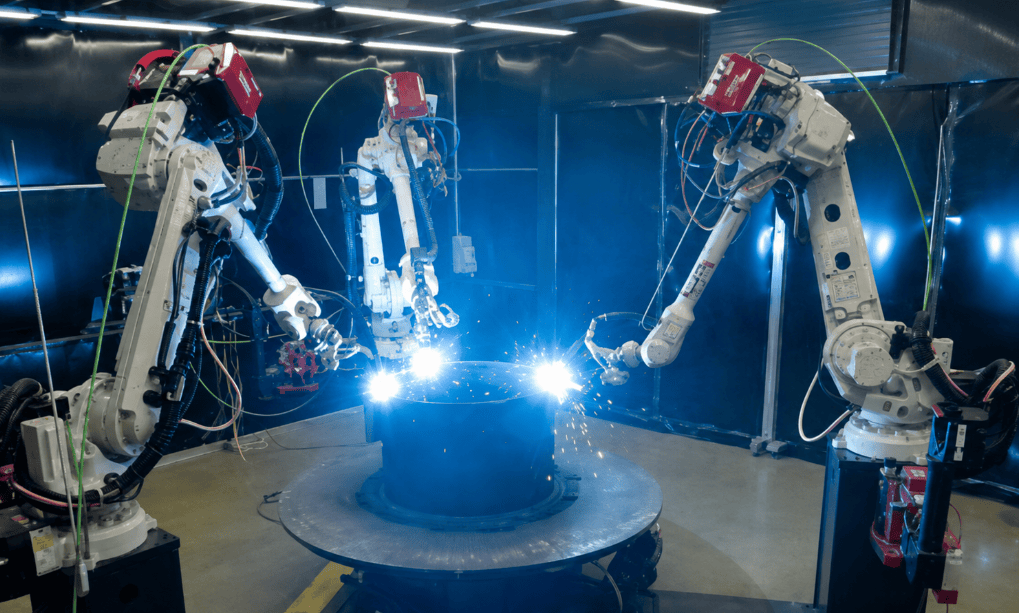
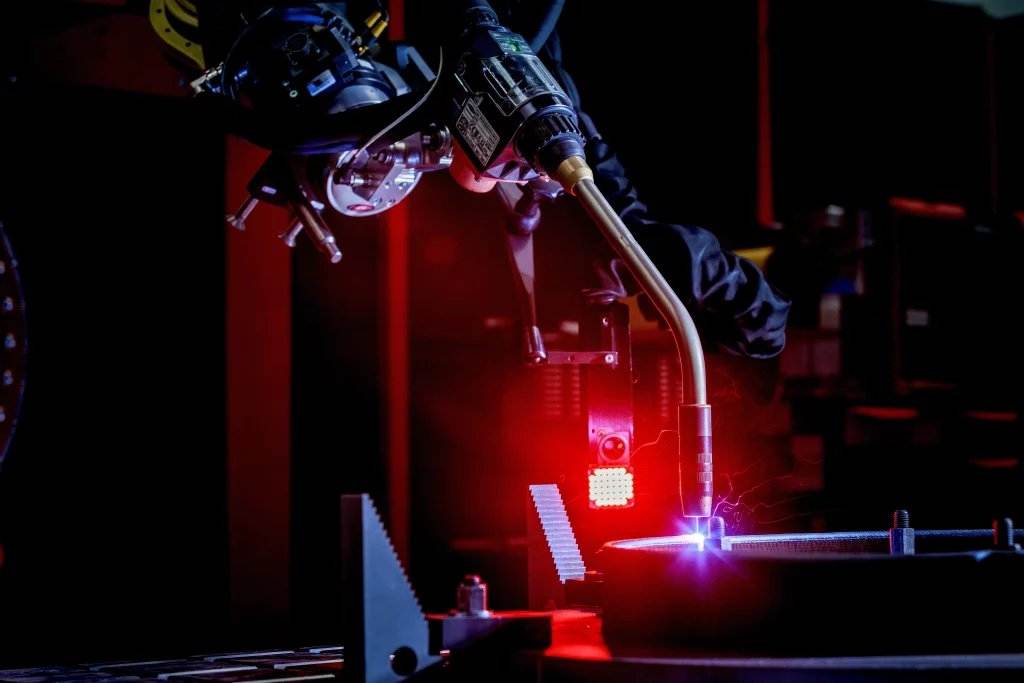
This pressure vessel was completed in July at Oak Ridge National Laboratory's Manufacturing Demonstration Facility, measuring approximately 5 feet high and 3 feet wide, or about 1.52 meters and 0.91 meters, respectively. The manufacturing process used a steel alloy suitable for nuclear equipment and was completed via the MedUSA wire arc additive manufacturing platform. This platform utilizes three collaborative robots to melt metal wire with an electric arc and deposit it layer by layer, ultimately forming a closed vessel structure with curved end caps.
Nuclear pressure vessels are typically manufactured from large forgings, requiring high material toughness, structural integrity, and long-term service performance. Wire arc additive manufacturing uses metal wire as feedstock and can directly produce large near-net-shape components, offering an alternative production pathway to reduce reliance on large forgings. This trial confirmed the MedUSA platform's capability to fabricate large closed vessels using nuclear-grade steel alloys, with the next phase focused on component performance validation and engineering qualification.
The two laboratories plan to collect geometric dimensions, material state, and manufacturing parameters during the printing process, using AI and digital engineering tools to assess component quality in real time. Oak Ridge National Laboratory is primarily responsible for additive manufacturing and characterization of printed parts, while Idaho National Laboratory provides support in nuclear materials performance, digital engineering, and long-term service evaluation. The related methods can also be applied in the future to large metallic pressure-bearing components in the chemical, oil and gas, defense, and aerospace sectors.
Related Products

QLZNGJ Intelligent Steel Reinforcement Trolley
Luoyang China Railway Qiangli Machinery Co., Ltd.
Strip Coating and Plating Production Line Equipment
MCC-SFRE HEAVY INDUSTRY EQUIPMENT CO., LTD.

Standard Nozzle Flowmeter
Jinggong Automatic Control Instrument Complete Technology Development Company
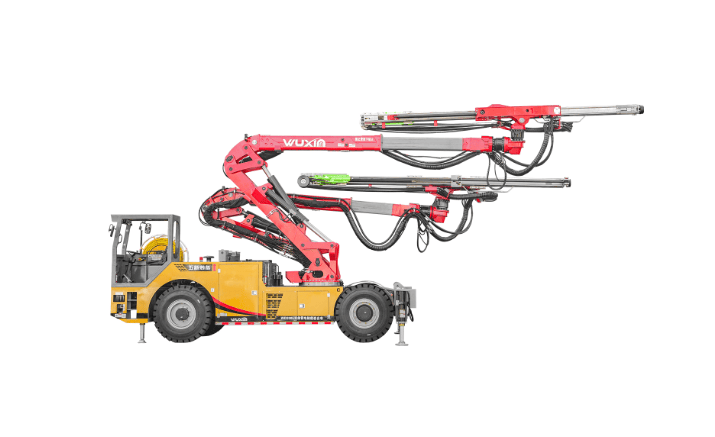
Double-Boom Computerized Rock Drilling Jumbo WD200E
Hunan Wuxin Intelligent Equipment Group Co., Ltd.