U.S. Team Develops Novel Carbon Support, Fuel Cell Catalyst Retains 85% After 150,000 Cycles
en.Wedoany.com Reported - A team led by Gang Wu, the Elvera and William R. Stuckenberg Professor at the McKelvey School of Engineering at Washington University in St. Louis, in collaboration with teams from Brookhaven National Laboratory, Lawrence Berkeley National Laboratory, Northeastern University, and the University of Pittsburgh, has made progress in low-temperature fuel cell catalysts. They developed a novel nanostructured carbon support that enables the preparation of highly active and stable platinum-cobalt intermetallic nanoparticles at high temperatures. The findings were published on August 6, 2026, in Nature Nanotechnology.
One of the real-world problems this technology addresses is electricity consumption in data centers. The surge in new data centers in the United States has driven up the electricity demand required for their operation and cooling. The Electric Power Research Institute estimates that by 2030, data centers could consume up to 9% of annual U.S. electricity generation, compared with about 4% in 2023. Wu noted that if data centers could generate their own electricity self-sufficiently through fuel cells, converting hydrogen and other fuels directly into electricity, the burden on the power grid could be alleviated.
Fuel cells work by combining hydrogen and oxygen to generate electricity, water, and heat with the help of a catalyst. The catalyst accelerates reactions, reduces energy losses, and improves overall performance and long-term durability. The current challenge lies in catalyst design, as the activity and durability of existing materials are insufficient to meet performance targets.
Platinum is an ideal catalyst material, but it is a precious metal, and the goal is to minimize its usage without compromising catalytic performance. Forming platinum into nanoparticles can dramatically increase the exposed surface area, with loadings typically below one-quarter of a milligram per square centimeter. However, during fuel cell operation, nanoparticles may dissolve, migrate, and grow, leading to gradual performance degradation.
Emerging platinum-based intermetallic catalysts show greater promise in catalytic activity and stability than conventional platinum alloys. To maintain good nanoparticle dispersion and maximize platinum utilization, most current catalysts are synthesized by annealing at temperatures below 700°C. However, this temperature is insufficient to drive the complete atomic order-disorder transition, which is critical for enhancing the activity and stability of intermetallic catalysts.
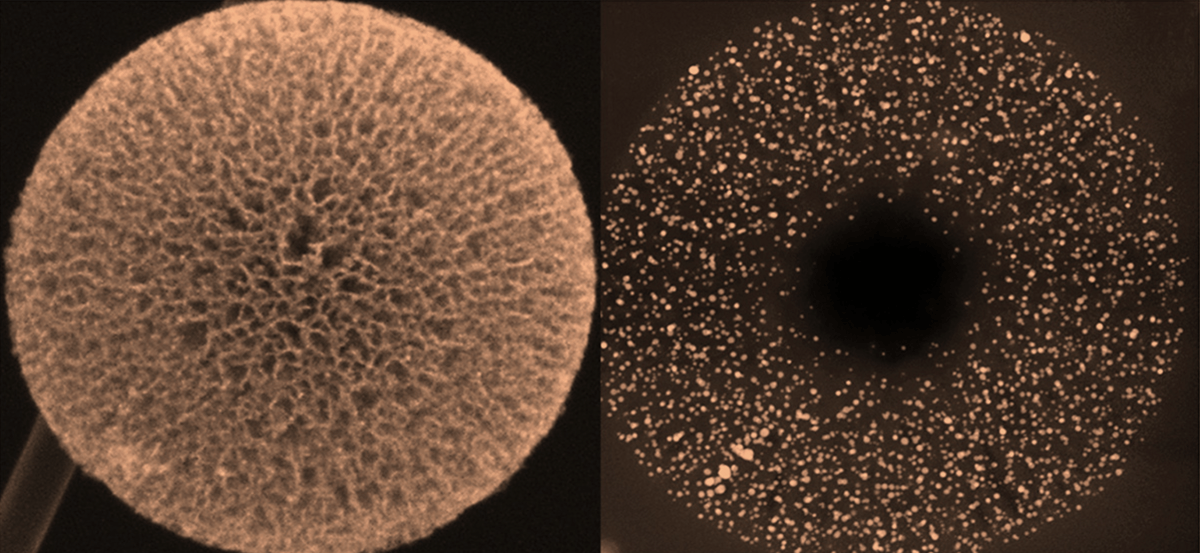
The novel nanostructured carbon developed by Wu's team—hollow porous carbon spheres, ordered radial nanochannels, and high porosity and specific surface area—solves the above challenges. This unique carbon material enables the formation of high-density, well-dispersed platinum-cobalt intermetallic nanoparticles at high temperatures while maintaining uniform nanoparticle dispersion, thereby overcoming the dilemma between atomic ordering and particle distribution uniformity.
The research team heated the platinum-cobalt catalyst to 1000°C, sufficient to form a highly ordered structure while keeping nanoparticles below 5 nanometers and uniformly distributed, even at the high platinum loadings preferred by industry. The support retained 85% performance after 150,000 voltage cycles, equivalent to approximately 25,000 hours of operation. Typically, synthesizing larger particles trades activity for stability; other efforts to improve stability often sacrifice activity. This carbon support, with its larger pores, ordered pore sizes, and enormous specific surface area, overcomes the trade-off between activity and stability.
Wu explained that the open channel structure facilitates the uniform distribution of ion-containing materials such as ionomers and promotes the transport of protons, oxygen, and water within the electrode. The platinum-cobalt nanoparticles embedded in this support thus exhibit superior performance and long-term durability. Wu has filed a patent application for this technology through Washington University's Office of Technology Management. He stated that with further development and industry collaboration, the remaining catalyst challenges can be addressed, advancing fuel cell technology toward more efficient and sustainable applications.
Related Products

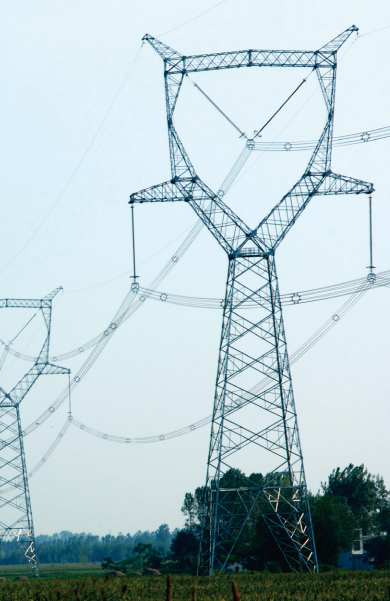
1000kV Jin Southeast-Nanyang-Jingmen UHV AC Transmission and Transformation Pilot Demonstration Project
Anhui Hongyuan Steel Tower Co., Ltd.
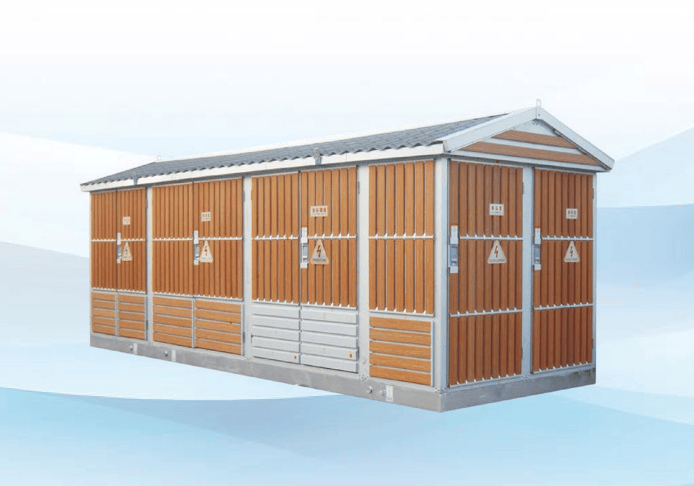
YB □ -12/0.4/1250 Outdoor Prefabricated Substation (European Style)
Shangrao Shangyu Intelligent Electric Co., Ltd.
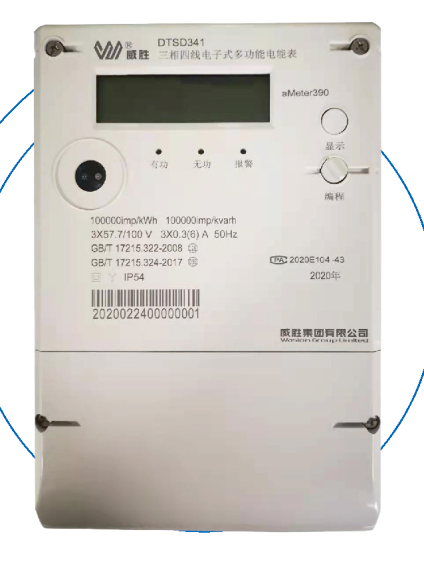
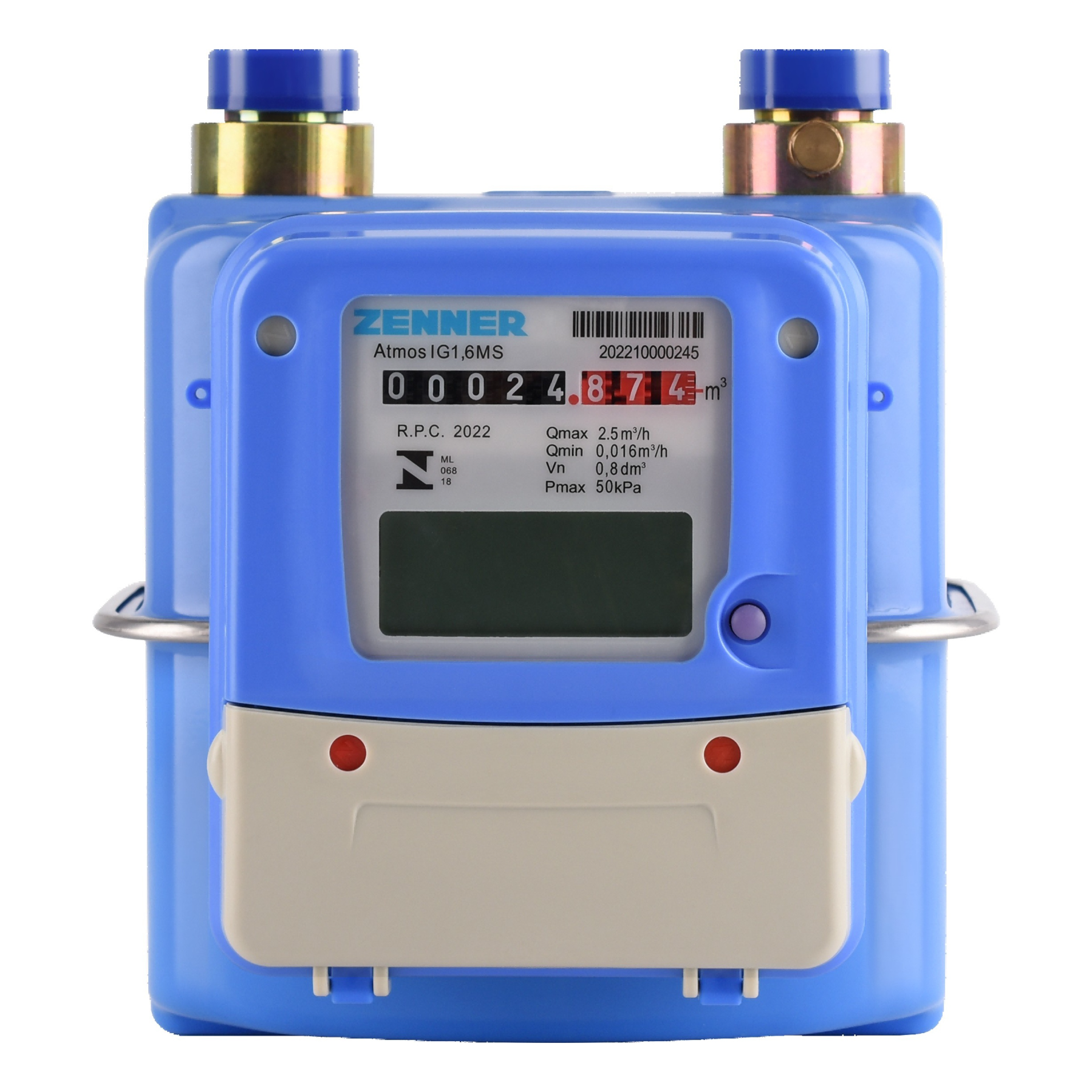
Overseas IEC Gateway Energy Meter - DTSD341/DSSD331-aMeter390
Wasion Group Limited Co., Ltd.