EV Charging Infrastructure Is Moving From Quantity Expansion to Operational Efficiency
en.Wedoany.com Reported - As electric mobility enters a deeper infrastructure phase, Charging and Battery Swapping Equipment is becoming more than a group of standalone devices. It is turning into a key part of transport energy networks, connecting vehicles, drivers, fleet operators, site owners, utilities and digital payment systems.
In the early stage of EV infrastructure deployment, the main question was whether there were enough charging points in cities, parking lots and highway corridors. As public networks expand, the focus is shifting. Operators now care more about utilisation rate, equipment uptime, maintenance cost, payment stability, power capacity and energy throughput. A city may have many low-power chargers, but still lack well-located, high-reliability and high-turnover stations.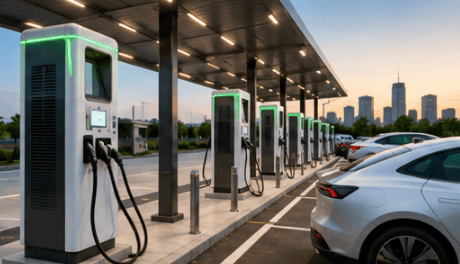
Demand is also becoming more segmented. Private car owners want shorter waiting times and predictable charging access. Ride-hailing drivers and taxi operators want to reduce idle time. Logistics fleets and electric truck operators care about energy replenishment speed, route planning and depot scheduling. These different needs are pushing the market toward a more diversified equipment mix.
Slow AC charging remains suitable for residential buildings, office parks and long-duration parking. DC fast charging is more relevant for public stations, commercial parking areas and transport hubs. Liquid-cooled ultra-fast charging is entering highway service areas, premium charging networks and high-end EV platforms. Battery swapping is gaining attention in high-frequency operating scenarios, especially where vehicle downtime has a direct cost.
The next stage of competition will depend on three capabilities. The first is power and efficiency: equipment must deliver stable energy in shorter time windows. The second is reliability and intelligent operation: operators need remote diagnosis, modular maintenance, fault prediction and coordinated payment systems. The third is grid compatibility: charging and swapping stations need to work with storage, solar power, load management and demand response to reduce peak pressure and capacity cost.
The market is therefore moving from hardware deployment to integrated infrastructure operation. Manufacturers and solution providers that can help customers improve station revenue, reduce operational risk and adapt to local grid conditions will be better positioned in the next wave of EV infrastructure development.
Related Products
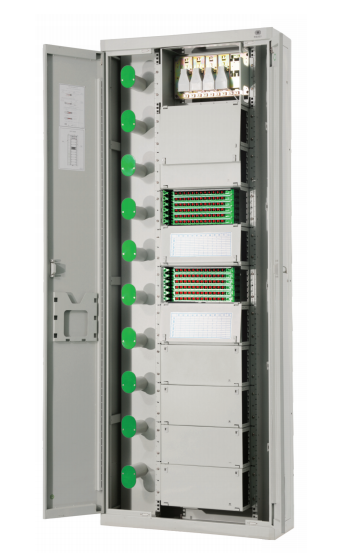

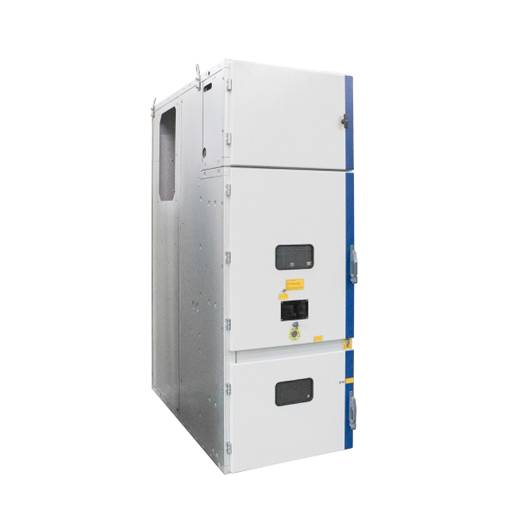
12kV KYN27 Withdrawable Metal-enclosed Switchgear
Guangdong Zhengchao Electric Co., Ltd
Mineral-insulated Compact Busway (Fire-resistant Busduct)
Zhuhai Guangle Electric Busway Co., Ltd.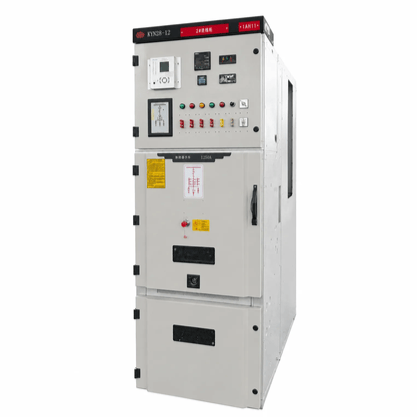
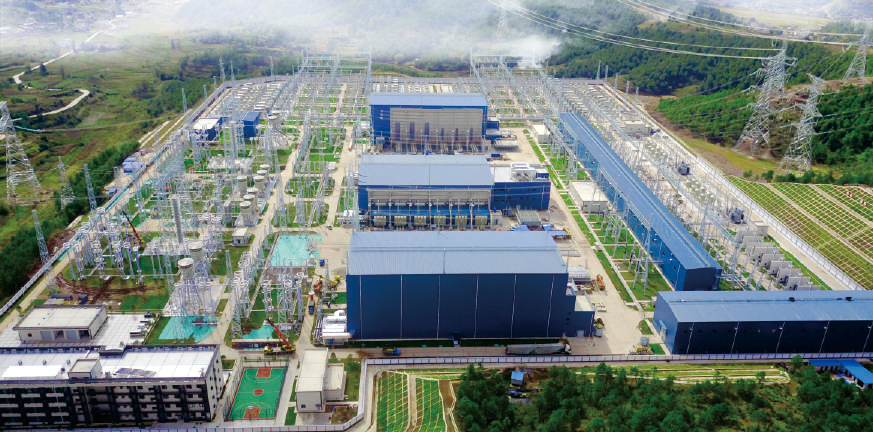
High-voltage Direct Current (HVDC) Transmission System Research and Integrated Design
XI'AN XD POWER SYSTEMS CO., LTD.
Anti-re-ignition Flame Extinguishing Series Products
CHINA RAILWAY HIGH-SPEED ELECTRIFICATION EQUIPMENT CORPORATION LIMITED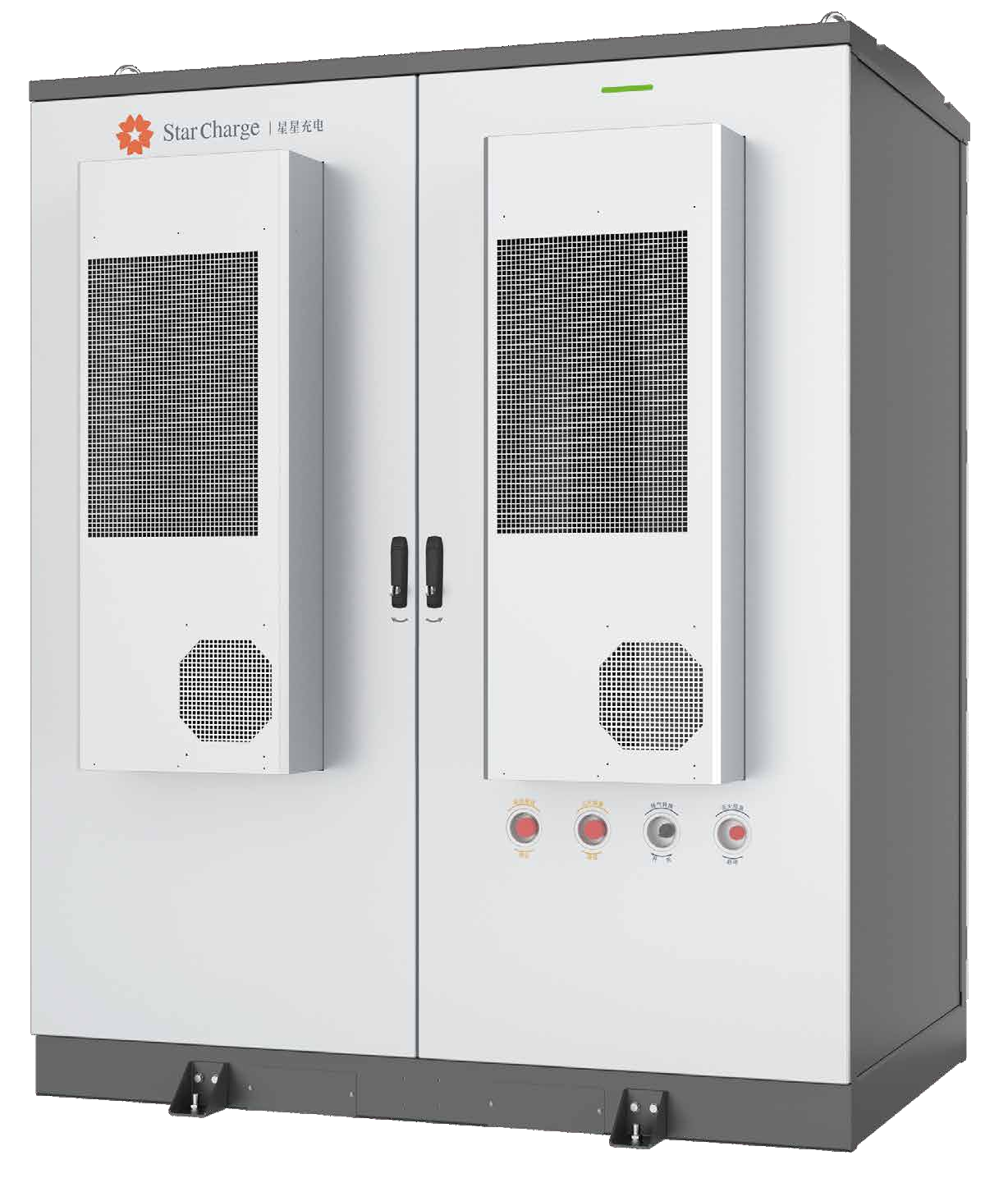
eBox-358 Commercial and Industrial Energy Storage System
Wanbang Digital Energy Co., Ltd.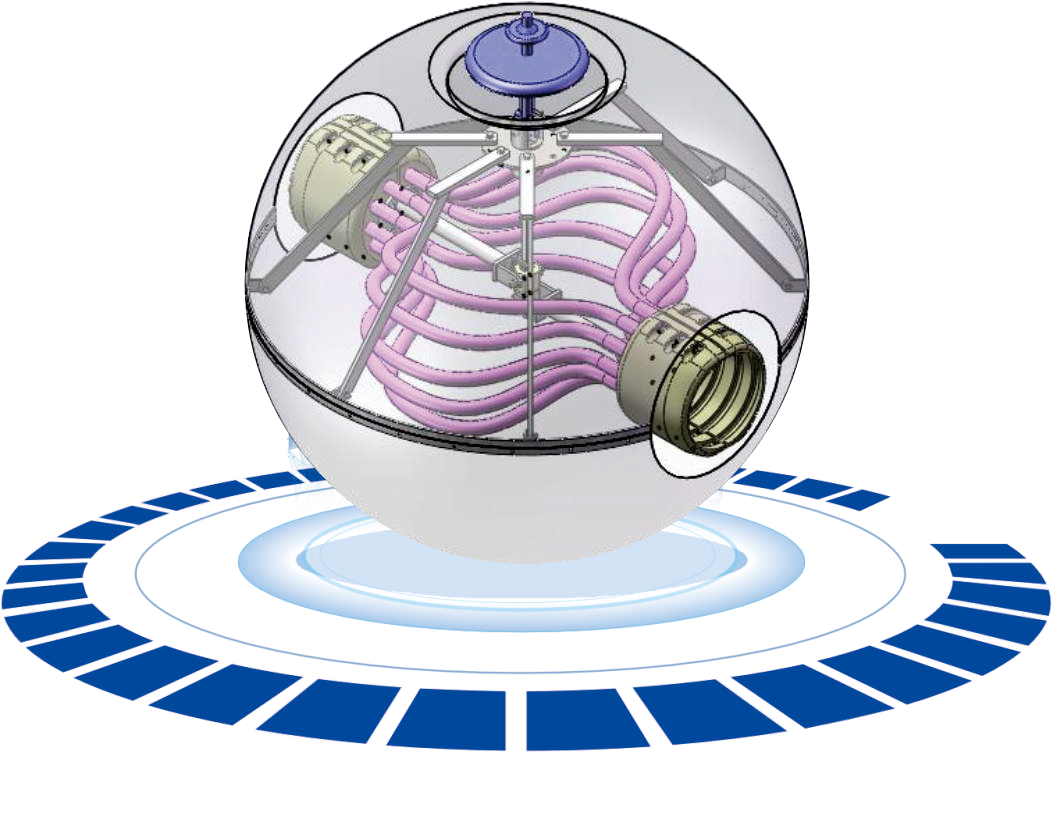
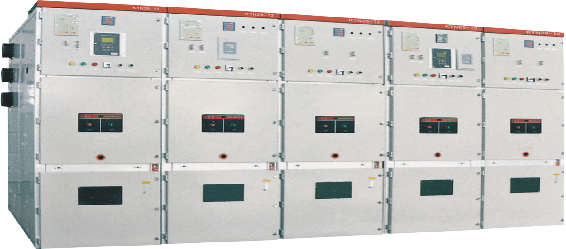
KYN28-12/24 Indoor High-Voltage Metal-Clad Removable Switchgear
Shenzhen Zhaoyang Hui Technology Co., Ltd.