Extreme Weather Is Turning Line Hardware Into a Resilience Factor
en.Wedoany.com Reported - Transmission and distribution lines operate in open environments for decades, exposed to wind, rain, ice, snow, lightning, salt fog, heat, dust and vegetation contact. In this setting, Power Line Fittings become an important part of grid resilience. They help maintain the mechanical and electrical stability of the line by connecting conductors, insulators, poles, towers and protection devices.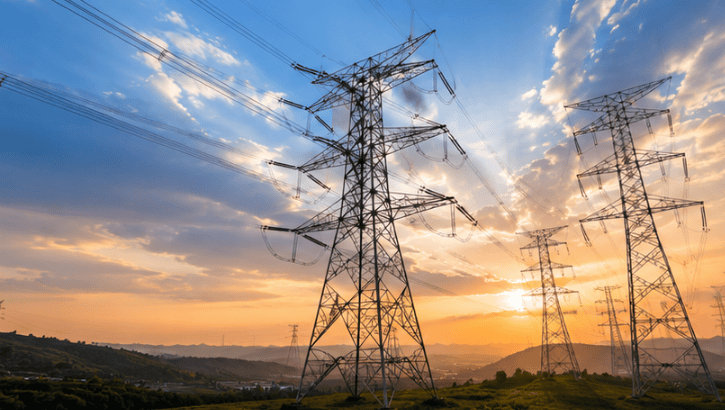
The role of line fittings during extreme weather is often underestimated. In strong wind conditions, conductor vibration and swing can increase fatigue risk at suspension clamps, tension clamps and connecting fittings. During icing events, the additional load on conductors requires stronger mechanical performance and stable structural design. In coastal environments, salt fog can accelerate metal corrosion. In hot and dry regions, material stability and connection reliability become more important over long operating periods.
Many line failures do not begin with the most visible equipment. They can start from connection points, fixing points or areas where protection is insufficient. This is why resilient line design should include fittings at the early engineering stage, rather than simply selecting conventional models after the main equipment has already been decided.
For heavy-ice regions, buyers should pay attention to load margins and low-temperature performance. For areas with strong aeolian vibration, the matching of vibration dampers, armor rods and suspension structures is essential. For coastal areas and industrial zones, corrosion-resistant material selection and surface treatment are critical. For mountainous lines and crossing projects, installation convenience, inspection access and long-term fastening reliability also matter.
Digital maintenance is further increasing the value of reliable line hardware. As utilities adopt drones, infrared inspection and online monitoring, components with stable quality, clear identification and traceable batches are easier to inspect, evaluate and manage over their life cycle. In future grid procurement, reliability evidence, test records, environmental adaptability and maintenance performance will carry more weight in purchasing decisions.
Related Products
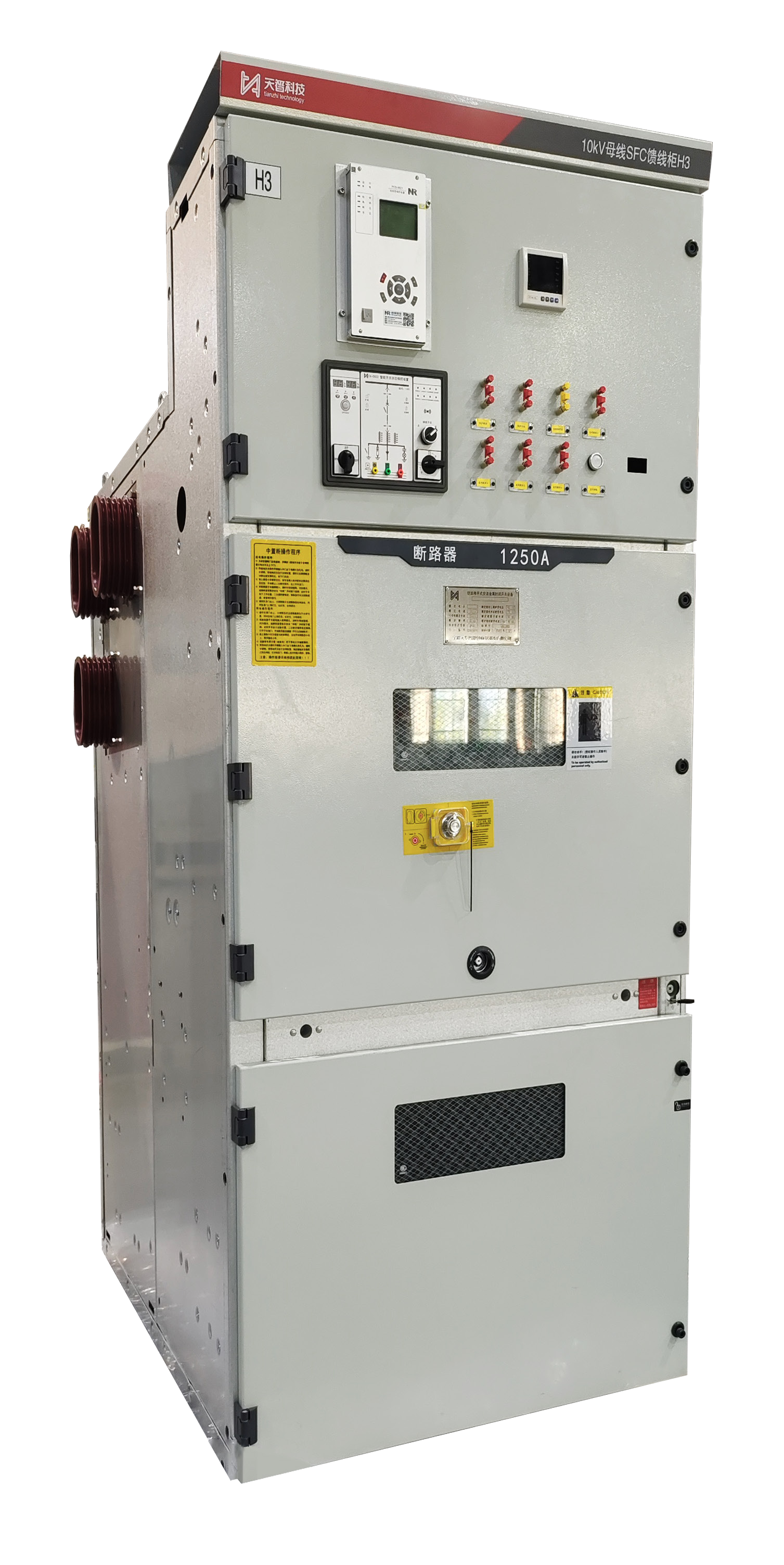

KYN28i-12 intelligent indoor high-voltage alternating current metal-enclosed armored switchgear
Ningbo Tianan Smart Grid Technology Co., Ltd.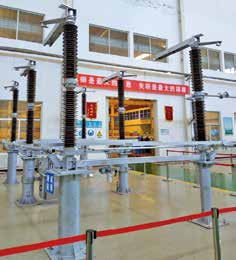
GW4-40.5/72.5/126/145/170/252/363/420 Series Double-column Horizontal Rotary High-voltage AC Disconnect Switch
SHANDONG TAIKAI DISCONNECTORS CO., LTD.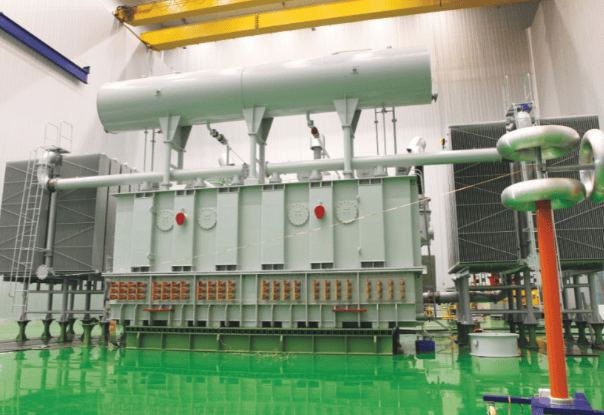

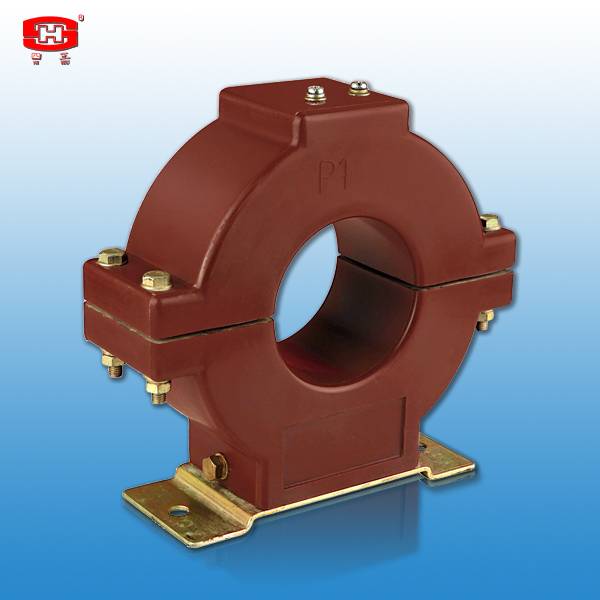
0.66kV Power Supply Instrument Transformer
Guangdong Sihui Instrument Transformer Works Co., Ltd.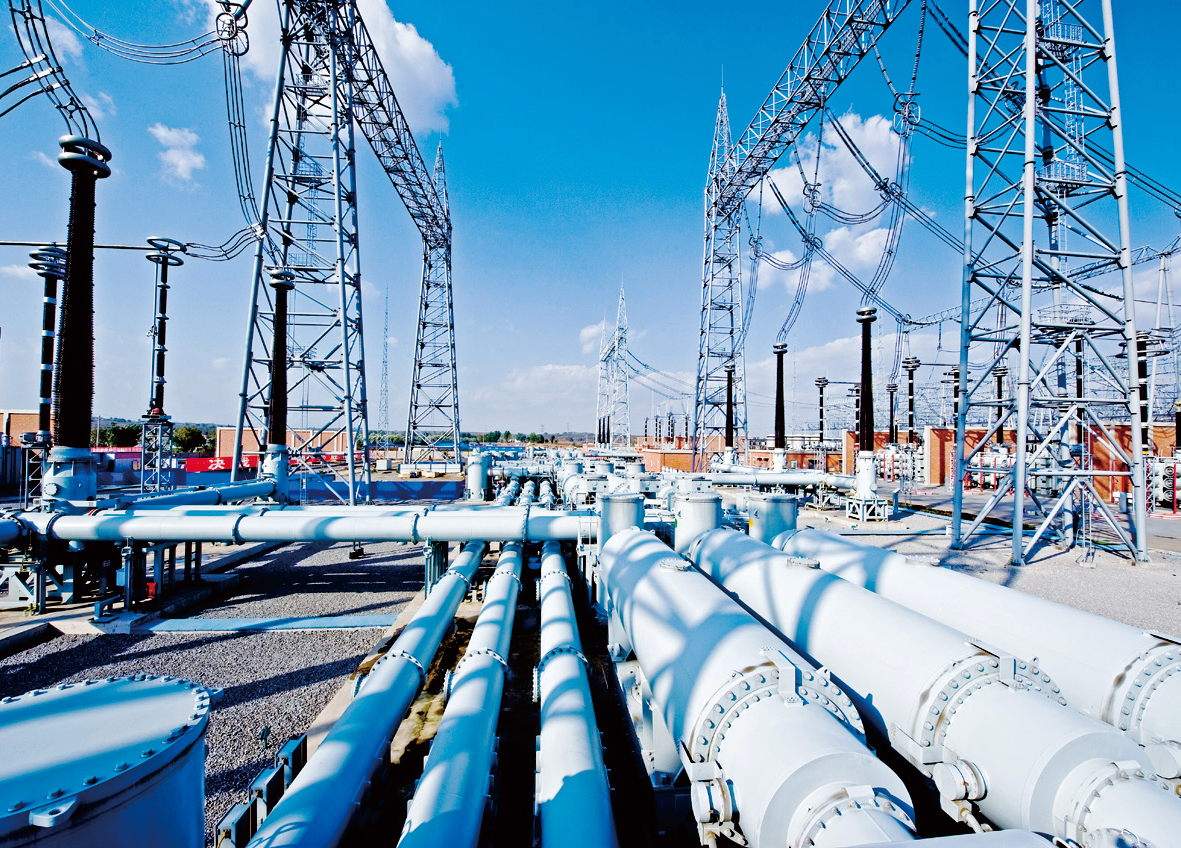
40.5kV-1100kV Gas Insulated Metal-Enclosed Switchgear (GIS)
Henan Pinggao Electric Co., Ltd.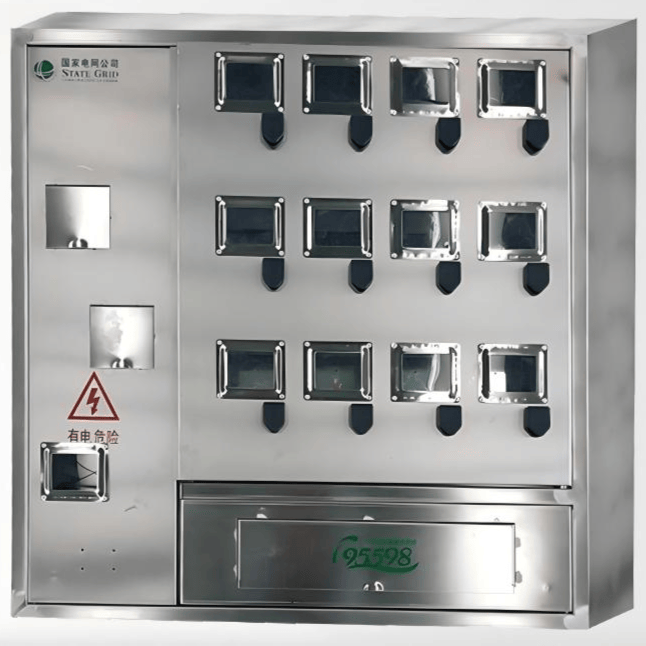
Low-Voltage Electric Energy Metering Box (Metal Stainless Steel)
Anhui Jinma Electric Technology Co., Ltd.
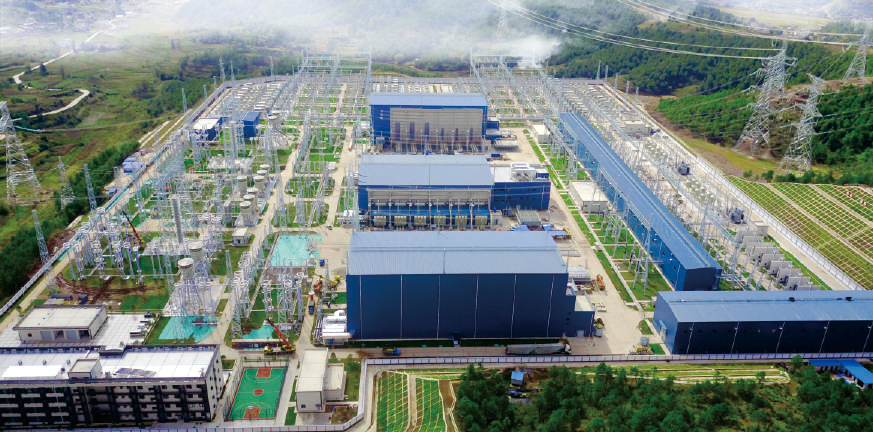
High-voltage Direct Current (HVDC) Transmission System Research and Integrated Design
XI'AN XD POWER SYSTEMS CO., LTD.
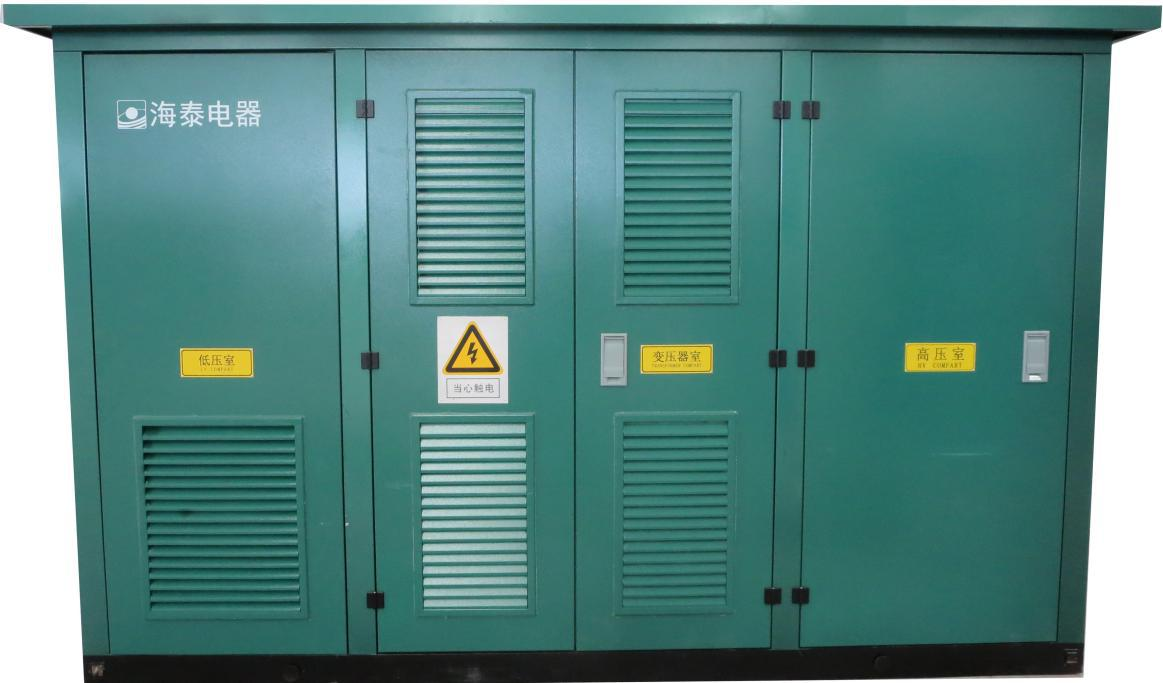
The YB□-12/0.4 pre-installed substation
Shenyang Huade High Technology Electric Co., Ltd.