en.Wedoany.com Reported - In overhead transmission and distribution projects, Power Line Fittings are used to connect, support, secure and protect conductors, insulators and tower structures. Common products include suspension clamps, tension clamps, splicing fittings, link fittings, protective fittings, stay wire fittings and hardware for insulator strings. Their appearance may be simple, but their selection is closely related to voltage level, conductor size, tower type, mechanical load, environmental exposure and maintenance practice.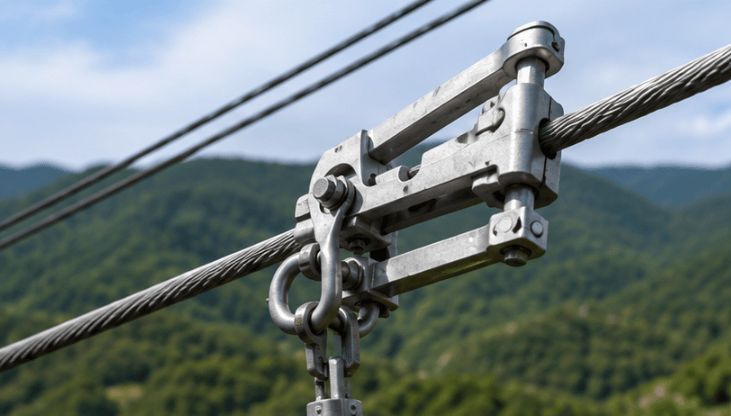
For many years, line hardware selection was often based on standard drawings and previous project experience. If the dimensions matched, mechanical strength met the requirement and installation was convenient, the purchasing process could move forward. That approach is now being challenged by more diverse operating environments. A coastal line may require stronger salt-fog corrosion resistance. A mountain line may need better performance under long-span vibration. A cold-region line must consider ice load and low-temperature toughness. A desert line may face abrasion, ultraviolet exposure and large temperature differences.
This is why line fitting selection is moving from model matching to condition matching. A suspension fitting should not only carry conductor weight but also reduce wear caused by vibration. A tension fitting should not only meet tensile strength requirements but also maintain stable grip over time. A connecting fitting should be easy to install while resisting loosening and fatigue. Protective fittings need to work together with vibration dampers, spacers, grading rings and other line protection devices.
The change is also raising the technical threshold for suppliers. A qualified supplier is expected to provide more than a product catalogue. Engineering recommendations, installation guidance, test documents, material certificates and batch traceability are becoming part of the purchasing decision. In high-voltage projects, extra-high-voltage lines and overseas EPC contracts, buyers also care about compliance with local standards and consistency in mass production.
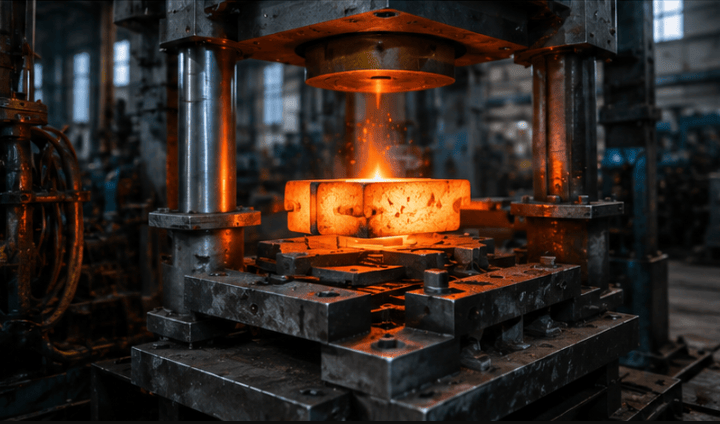
As a result, competition in the line hardware market is no longer only about price. It is increasingly about engineering adaptability. Suppliers that can combine design, material selection, manufacturing quality, surface treatment and project service will be better positioned for long-term orders in complex power grid projects.