The Main Challenge Is Not Equipment, but Unified Operation
en.Wedoany.com Reported - A Zero Carbon Industrial Park may appear to be a combination of renewable energy, storage, efficiency equipment and digital platforms. In practice, the success of such a project often depends less on how advanced the equipment is and more on whether the park has a unified operating mechanism.
Many industrial parks develop low-carbon projects separately: rooftop solar, battery storage, charging facilities, energy monitoring systems and wastewater treatment upgrades. These investments are useful, but if they are not connected through unified dispatch, metering and responsibility boundaries, they may remain isolated projects rather than a complete zero-carbon operating system.
The biggest feature of an industrial park is the coexistence of multiple stakeholders. Park operators are responsible for infrastructure and public services. Tenant companies focus on production cost and delivery stability. Local governments care about investment attraction, tax contribution and environmental performance. Energy service companies look at project returns and maintenance efficiency. These goals are not always aligned, which means that zero-carbon upgrading requires governance mechanisms as well as technology.
For example, a rooftop solar project needs clear rules for roof ownership, power consumption, surplus electricity, maintenance responsibility and safety boundaries. An energy storage project must define whether it is used for peak-valley optimization, demand response or backup power. Public charging facilities need to balance logistics vehicles, employee commuting and external users. A carbon data platform must solve data upload, data authenticity, permission management and audit interfaces.
Industrial differences add another layer of complexity. Electronics manufacturing, food processing, equipment manufacturing, chemical materials and cold-chain logistics do not have the same energy requirements. Some companies need stable electricity, some need steam or hot water, and others care more about low-carbon certification and customer audits. Without tiered services, a park may build public facilities that tenants do not actively use.
The core of a zero-carbon park is therefore not the accumulation of low-carbon equipment. It is the integration of energy, production, logistics, buildings and carbon data into one operating system. Future park operators will increasingly resemble integrated energy service providers and industrial platform managers, combining engineering capability with tenant services, data governance and business model design.
Related Products

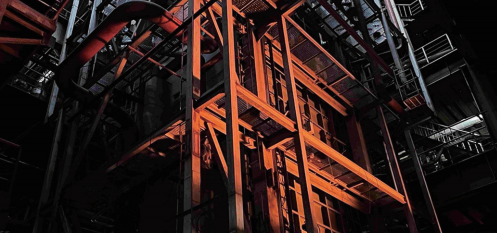
Jianlong Xilin Iron and Steel 1# Converter Medium-low Temperature Waste Heat Recovery Retrofit Project
Capital Engineering & Research Incorporation Limited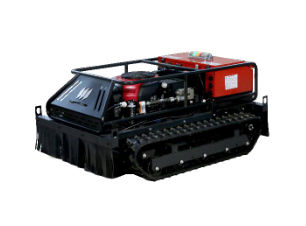
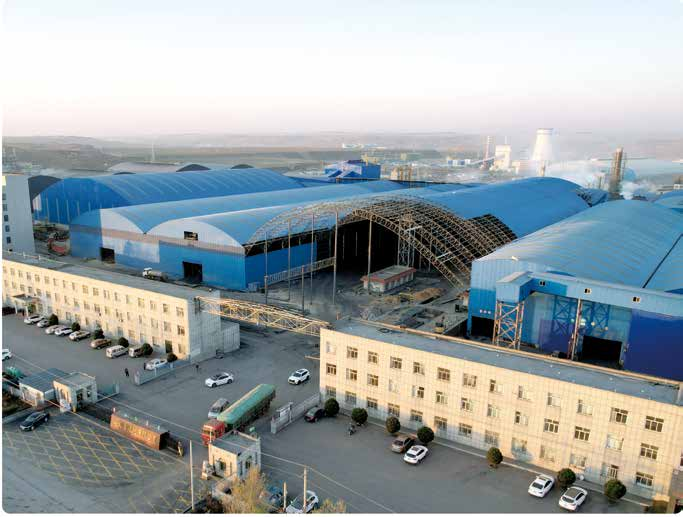
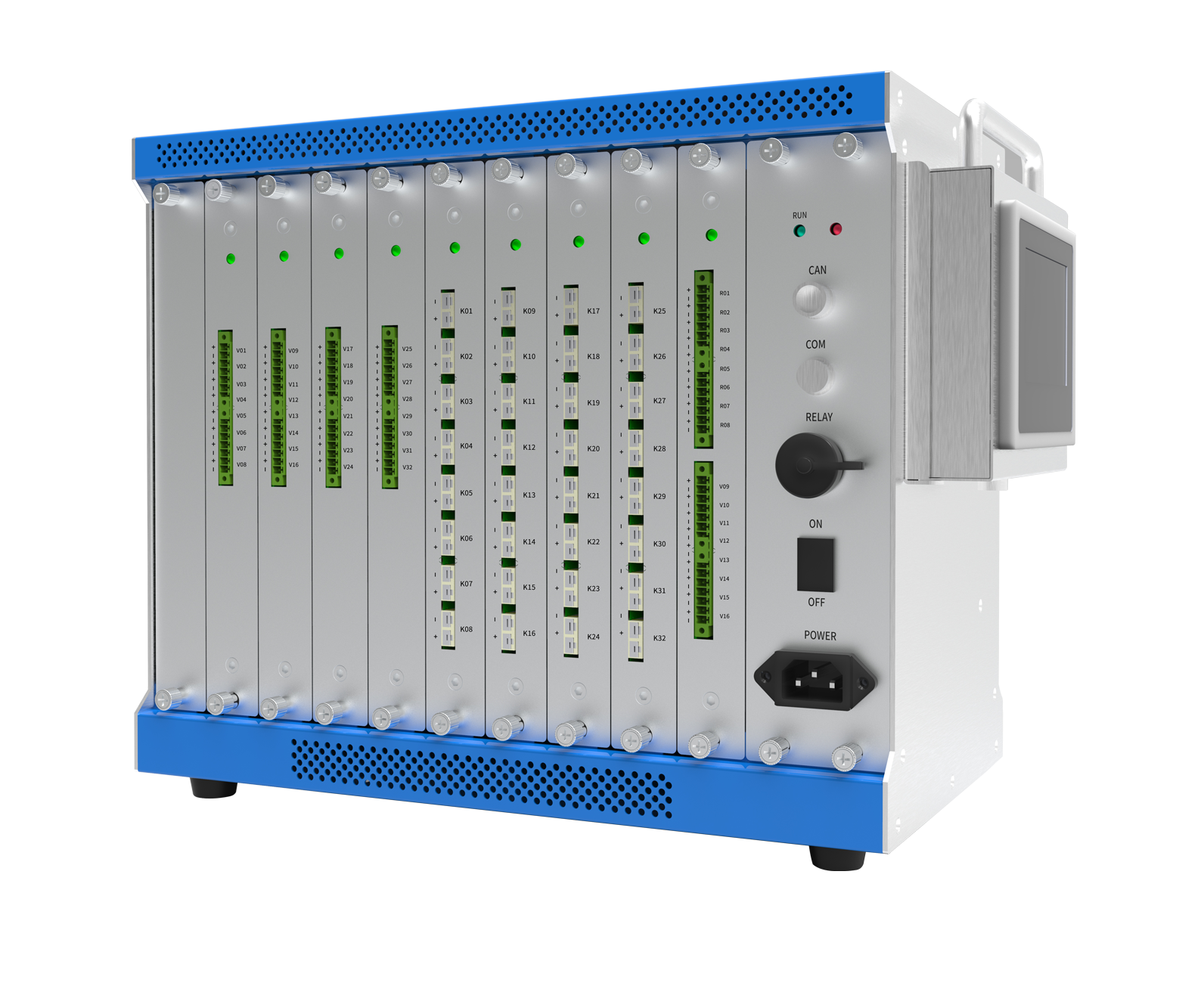
Optional Accessory - Auxiliary Sampling Module
Beijing Soaring Electric Technology Co., Ltd.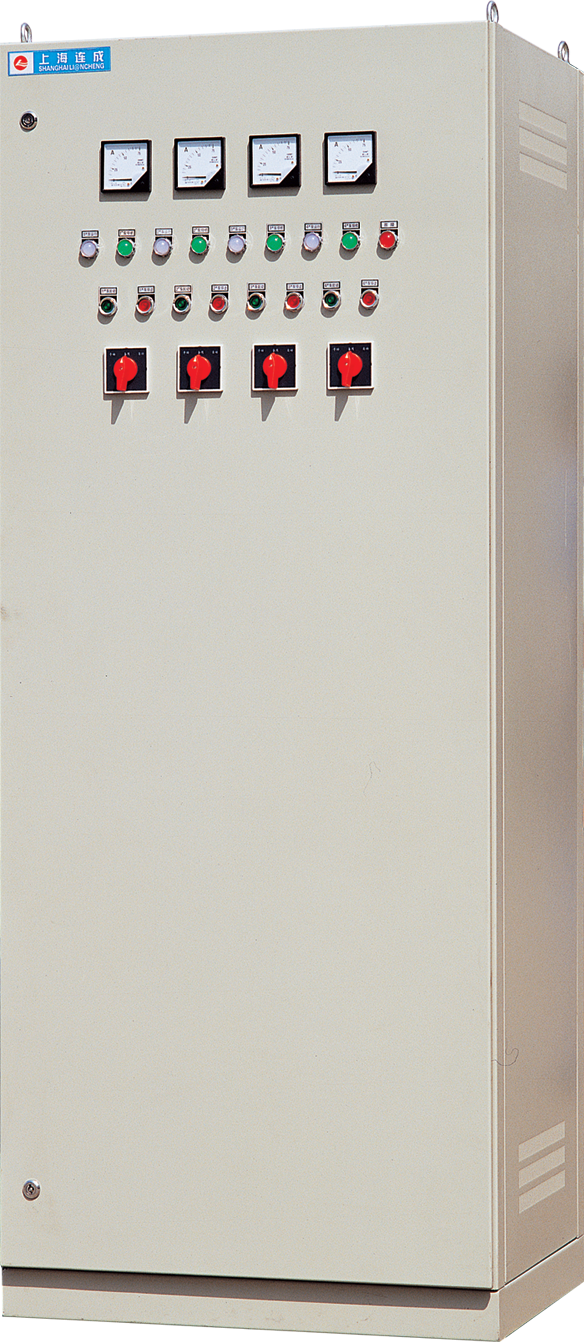
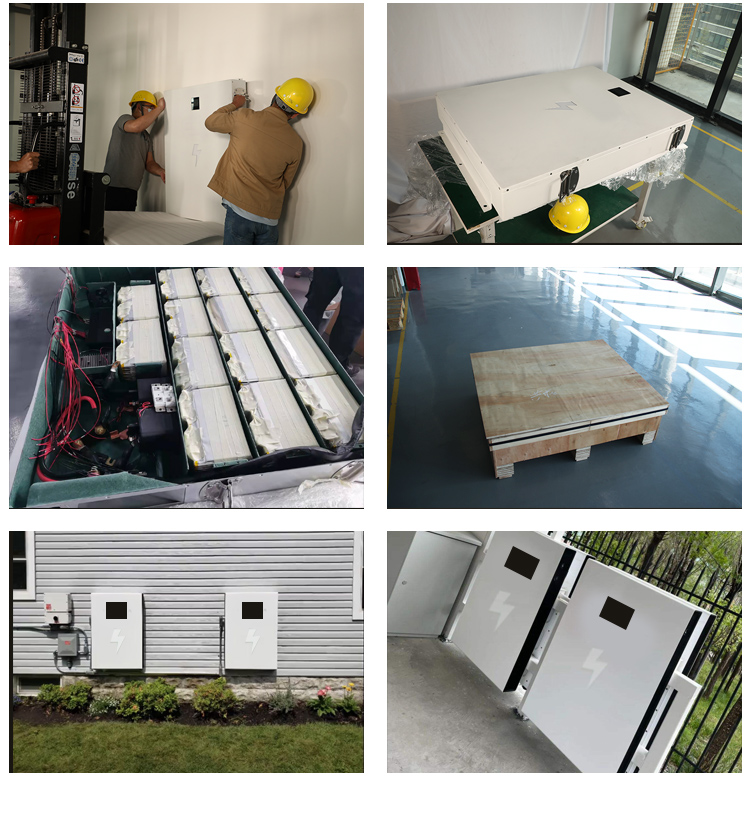
Safe, efficient, intelligent energy storage, creating smart homes and making life more convenient# Home Energy Storage # Supercapacitors # Energy Storage # Wall Mounted # Safe Electricity Use
Gonghe Power Co.,LTD