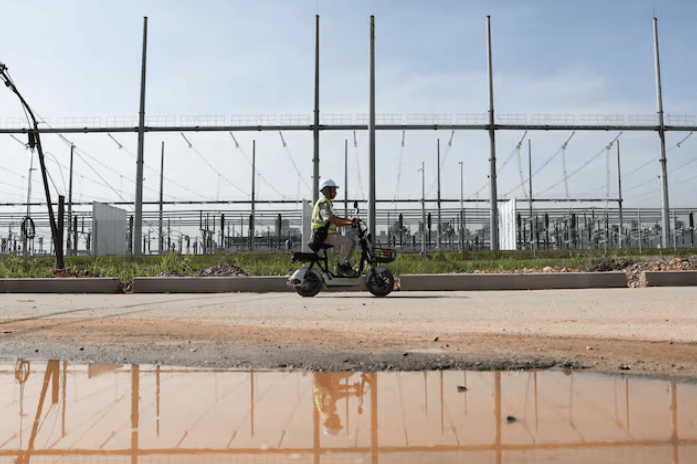
Braskem Invests in Electrification Projects to Boost Energy Efficiency and Reduce Emissions
en.Wedoany.com Reported - Braskem, a Brazilian chemical company, is enhancing energy efficiency and reducing carbon emissions through a series of industrial process electrification projects. In the Vesta project in the ABC region of São Paulo, the second phase of the biomass utilization project in Alagoas, and the installation of electric boilers at the Paulínia (SP) plant, the company is focusing on replacing steam turbines with electric motors to achieve operational improvements, enhanced cost predictability, and reduced carbon emissions from existing assets.
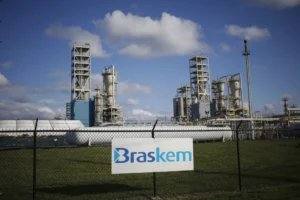
Braskem notes that replacing steam turbines with electric motors has become the main driver of this transformation and has been validated across various industrial applications. In the Vesta project, this replacement has brought significant efficiency gains: the average operating efficiency of condensing steam turbines ranges from 20% to 30%, while electric motors can achieve approximately 90%. Additionally, large-scale electrification has reduced energy consumption at the ABC plant by over 7.3%.
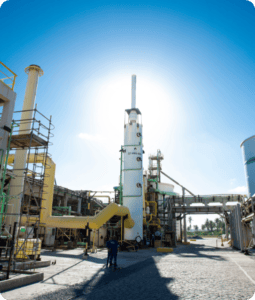
This saving is equivalent to the residential energy consumption of a city with a population of about one million. The Vesta project also contributes approximately 100,000 tonnes of CO₂e in annual emission reductions to Braskem's climate strategy.
In Alagoas, Braskem is collaborating with Veolia on a decarbonization project to replace natural gas with biomass, enabling the PVC plant to fully use steam from renewable sources. In this project, replacing steam turbines with electric motors not only improves process efficiency but also allows the company to shut down its last natural gas boiler. Currently, the plant uses 100% renewable steam from biomass for its industrial processes, reducing approximately 150,000 tonnes of CO₂e annually.
In Paulínia, Braskem is partnering with ComBio to advance the electrification of thermal processes by using electric boilers to produce steam. This project is expected to reduce the plant's CO₂e emissions by approximately 65% and lower steam production costs by about 20%. The initiative is scheduled to begin operations in the second half of 2026.
"Implementing these projects in already operating plants highlights Braskem's technical maturity and engineering capabilities. These initiatives require rigorous planning, system integration, and customized solutions, and have accumulated important experience that helps accelerate electrification across the entire chemical industry," said Robson Casali, Braskem's Energy Business Development Manager.
Related Products


Perfluorinated Ionic Membrane-CM-10N Series Membrane
Guizhou Juneng Century Technology Co., Ltd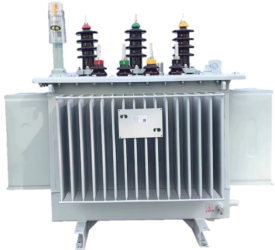
Oil-immersed Amorphous Alloy Core Distribution Transformer
Pinggao Group Smart Electric Co., Ltd.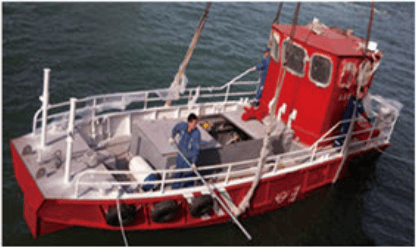
Electromagnetic Fluid Seawater Floating Oil Separation and Recover Equipment
Huate Magnet Group Co., Ltd.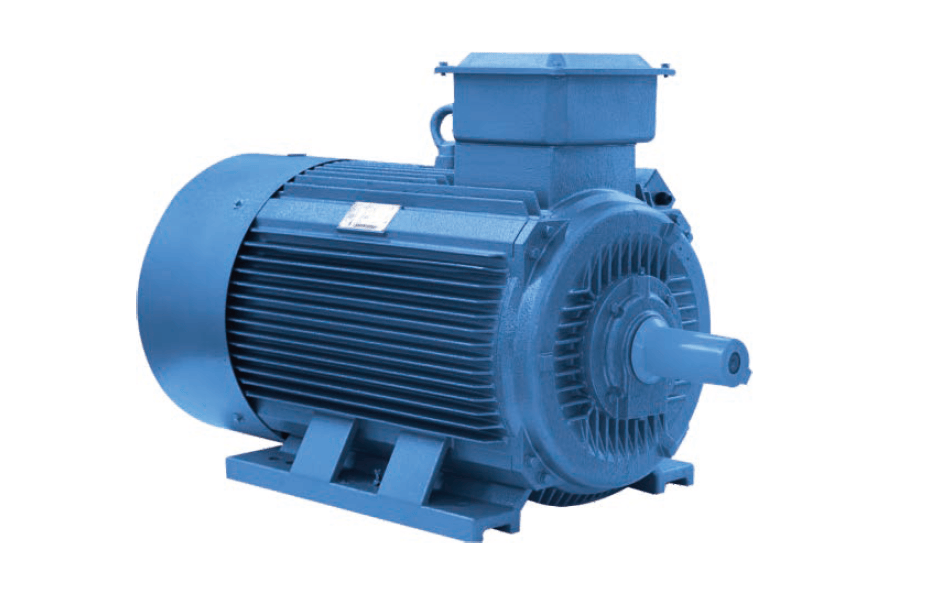
TYC Series High-Efficiency Permanent Magnet Synchronous Motor
Xiangdian Smart Energy Technology Co., Ltd.
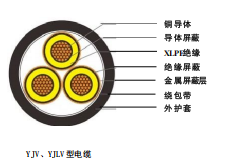
Rated Voltage 6-35kV Cross-linked Polyethylene Insulated Power Cable
TONGDING INTERCONNECTION INFORMATION CO., LTD.