Brazil's Ministry of Mines and Energy Approves 2035 Ten-Year Energy Expansion Plan with Investment of 3.5 Trillion Reais
en.Wedoany.com Reported - Brazil's Ministry of Mines and Energy has officially approved the "2035 Ten-Year Energy Expansion Plan" (PDE 2035), a study prepared by the Energy Research Company (EPE) to provide a basis for investment decisions, public policies, and industry planning in Brazil's energy sector over the next decade.
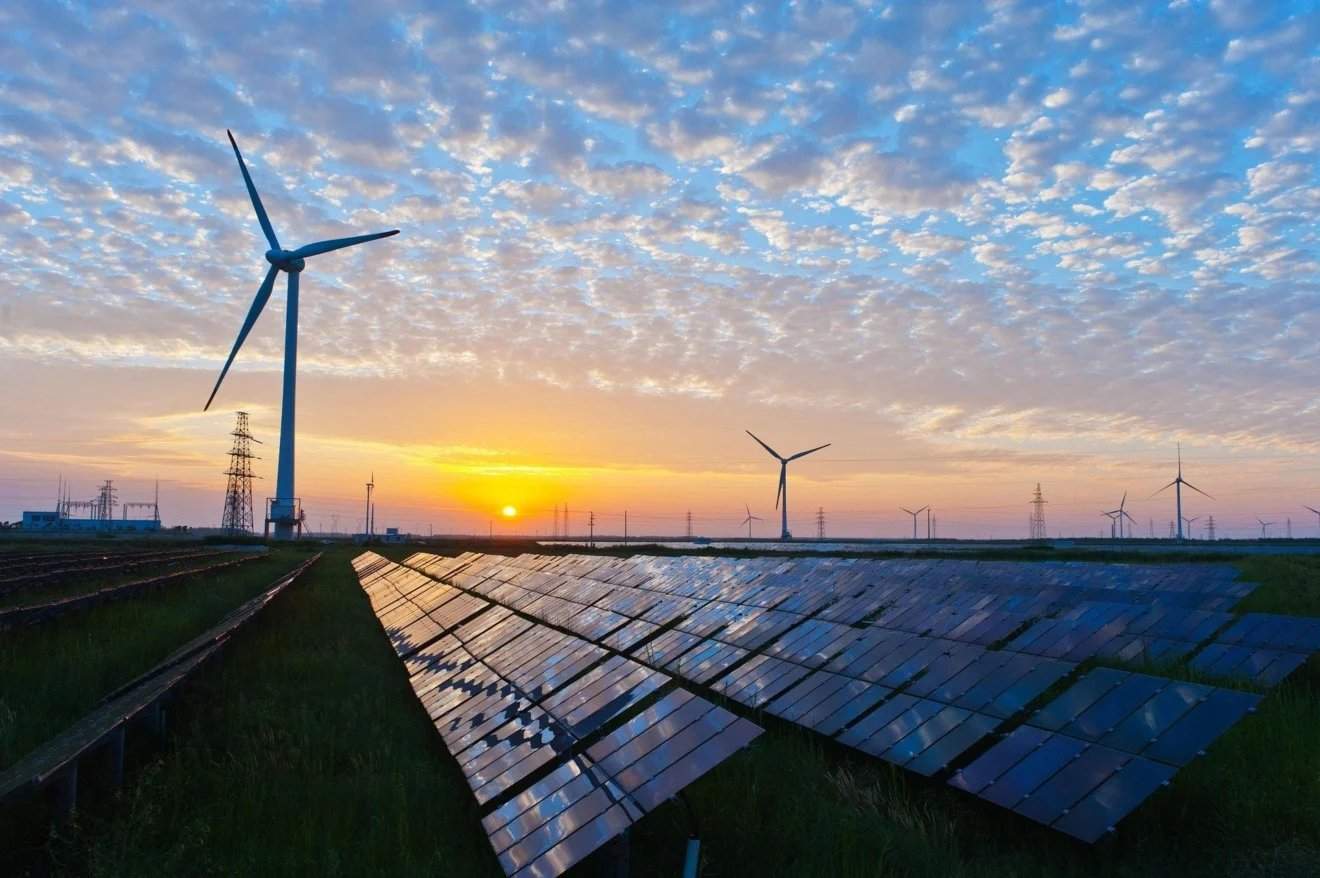
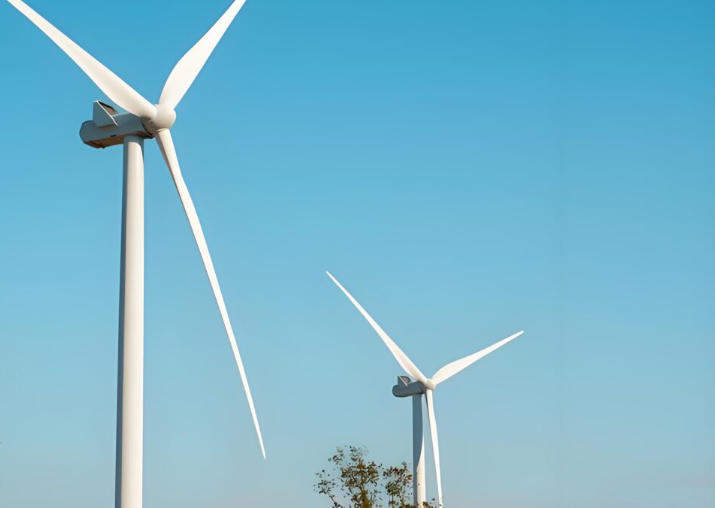
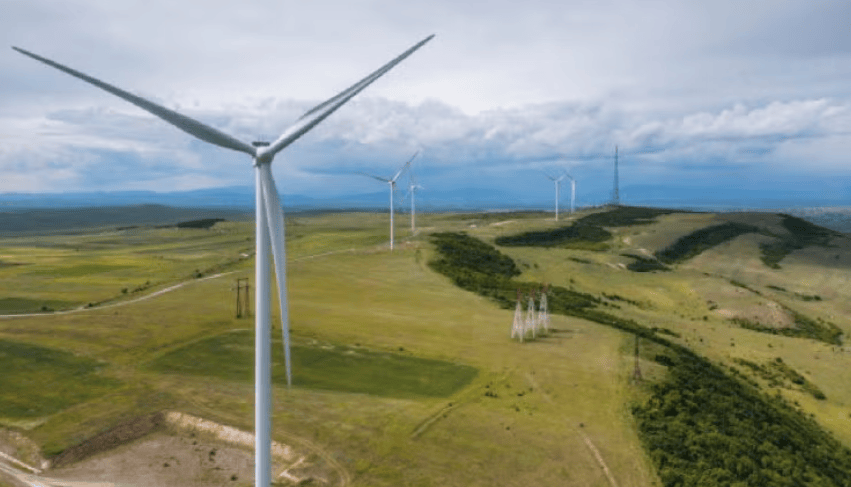
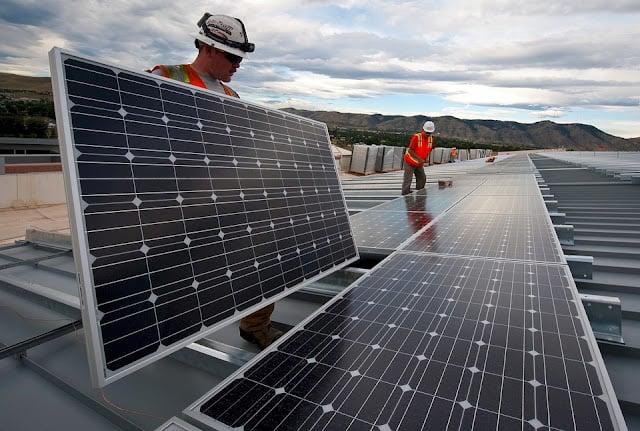
The plan estimates that Brazil will need to invest approximately 3.5 trillion reais in energy infrastructure expansion by 2035, with installed power generation capacity expanding from the current 255 GW to about 367 GW, an increase of approximately 110 GW. Growth will be primarily driven by renewable energy sources such as solar and wind power, alongside the advancement of distributed generation.
On the consumption side, PDE forecasts that final energy consumption will grow at an average annual rate of 1.8% by 2035, driven by economic expansion and increased demand from sectors such as transportation, industry, and commerce. Domestic energy supply will need to increase by 2.3% annually to meet this demand. Even so, the share of renewable energy in Brazil's energy matrix will remain high, projected to reach 51% by 2035, with the share of renewable energy in the power generation sector maintaining above 85%.
Demand for natural gas used in peaking thermal power plants is expected to increase. EPE predicts that by 2034, the maximum daily demand for natural gas to dispatch thermal power units will rise from approximately 65 million cubic meters to 140 million cubic meters, an increase of 115.4%. This reflects the growing role of natural gas as a flexible source to complement variable renewable energy systems such as solar and wind power.
Transportation electrification is expected to accelerate. EPE forecasts that by 2035, the electrified vehicle fleet will consume 7.8 TWh of electricity, more than twelve times the projected value for 2025. In terms of biomass power generation, the average generation capacity could reach 5.9 GW by 2035, with expansion mainly linked to increased supply of agricultural waste.
Regarding energy storage, EPE's analysis in the PDE indicates that under current cost and electricity price conditions, behind-the-meter storage will remain financially unviable for most consumers by 2035. This situation may change as technology prices decline and new electricity pricing and compensation mechanisms emerge.
Related Products



Industrial and Commercial Point-Type Gas Detector
Jinan Benan Technology Development Co., Ltd.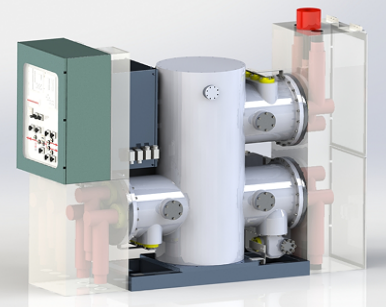
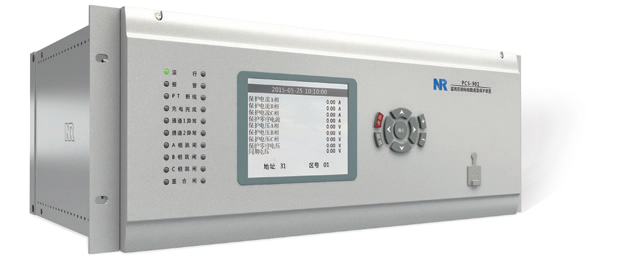
PCS-901 Series Ultra (Extra) High-voltage Transmission Line Complete Protection Device
Nanjing NR Electric Co., Ltd.
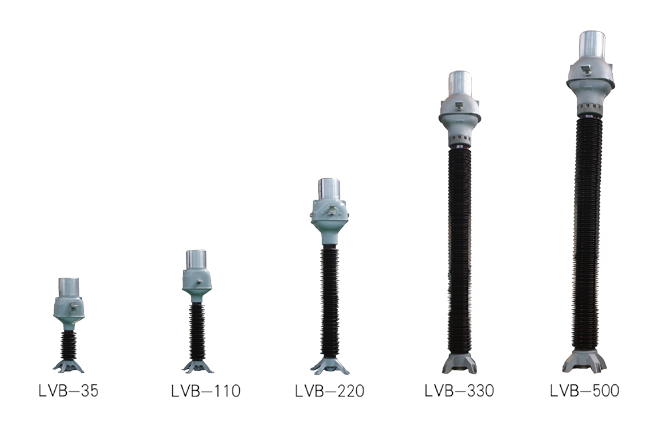
LVB Series 35-500kV Oil-immersed Inverted Current Transformer
Shandong TaiKai Instrument Transformer Co., Ltd.
Modular Multifunctional Water Supply and Drainage Vehicle (18T)
Changsha Dewater Machinery Technology Co., Ltd.
Standard Nozzle Flowmeter
Jinggong Automatic Control Instrument Complete Technology Development Company
CITIC Heavy Industries Offshore Wind Power Equipment Hydraulic Pile Hammer
CITIC Heavy Industries Co., Ltd.