Zero-Carbon Parks Are Becoming System-Level Industrial Projects
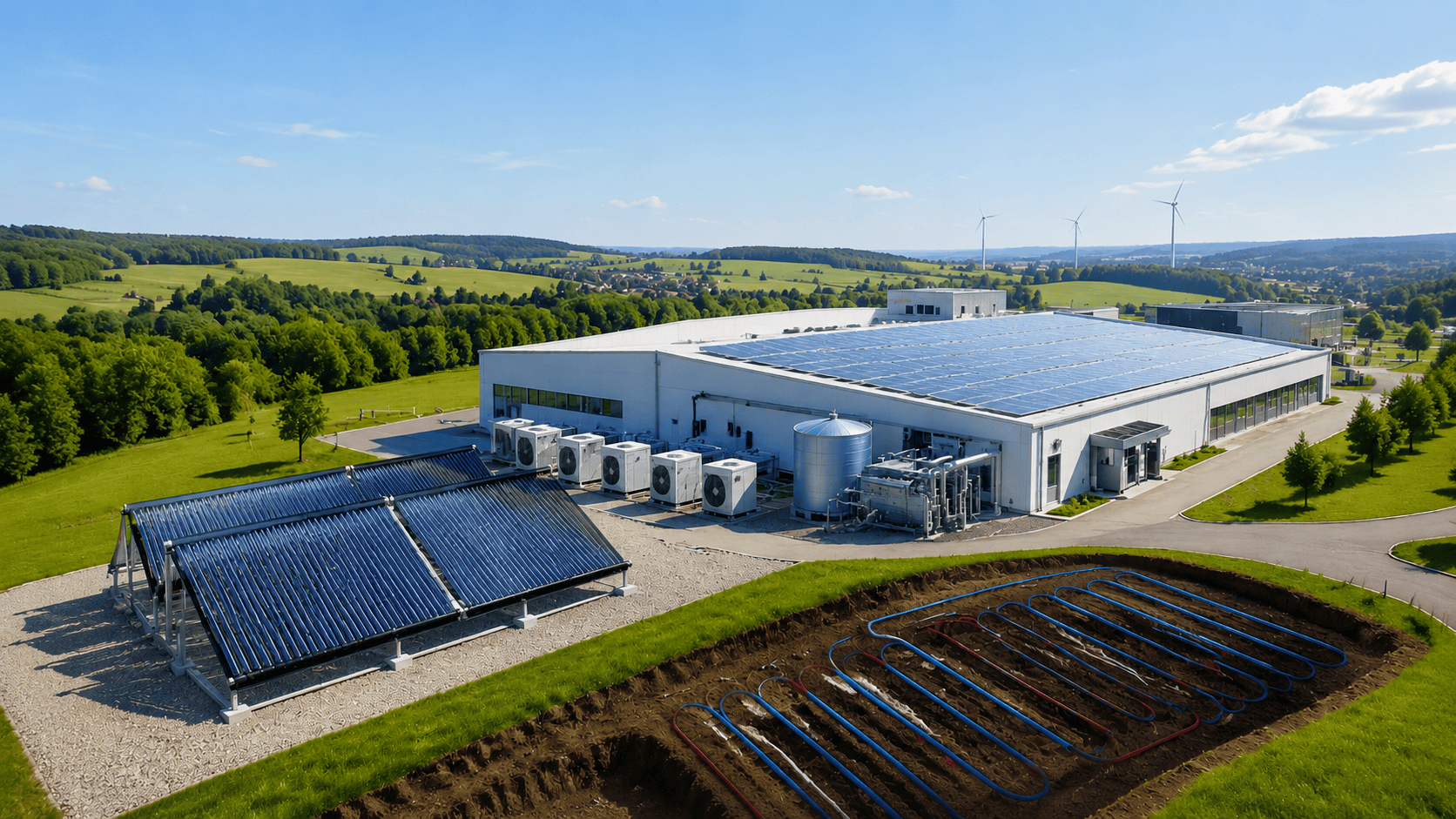
en.Wedoany.com Reported - A Zero Carbon Industrial Park is no longer defined only by rooftop solar panels or a few energy-saving facilities. As manufacturers face stricter requirements on carbon footprint, export compliance, energy cost control and supply chain transparency, the zero-carbon park is becoming a system-level industrial project covering electricity, heat, production processes, buildings, transport, storage and digital management.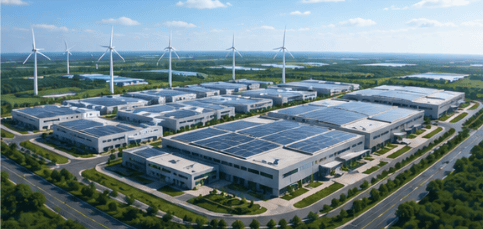
Industrial parks have complex emission sources. A single park may include factories, warehouses, office buildings, wastewater treatment stations, logistics facilities, steam networks, compressed air systems, cooling systems and internal transport fleets. Each tenant may have a different process route, load curve and energy demand. In this context, purchasing green power or installing distributed photovoltaic systems can be useful, but it is not enough to build a stable, measurable and operational low-carbon system.
The first step is usually not equipment installation, but energy mapping. Park operators need to understand electricity, heat, gas, water and material flows, define carbon accounting boundaries and build a reliable data baseline. Only then can they match the right mix of solar power, energy storage, waste heat recovery, industrial heat pumps, smart microgrids, efficiency retrofits and clean transport solutions.
Where conditions allow, industrial parks can also improve performance through combined cooling, heating and power systems, direct renewable power procurement, demand response and carbon management platforms. These measures help the park move from isolated energy-saving projects to coordinated energy and production management.
The value of a zero-carbon park is not limited to emission reduction. For export-oriented manufacturers, low-carbon infrastructure can support customer requirements for supply chain carbon data. For energy-intensive industries, efficiency improvement and cleaner energy structures can reduce long-term operating risks. For local governments and park operators, zero-carbon upgrading can strengthen investment attraction and support the clustering of renewable energy, advanced materials, high-end equipment, electronics manufacturing and green supply chain companies.
In the next stage, competitive industrial parks will be those that convert carbon targets into measurable, maintainable, financeable and replicable engineering solutions. The core capability will be the integration of energy systems, industrial collaboration, digital platforms and carbon asset management.
Related Products
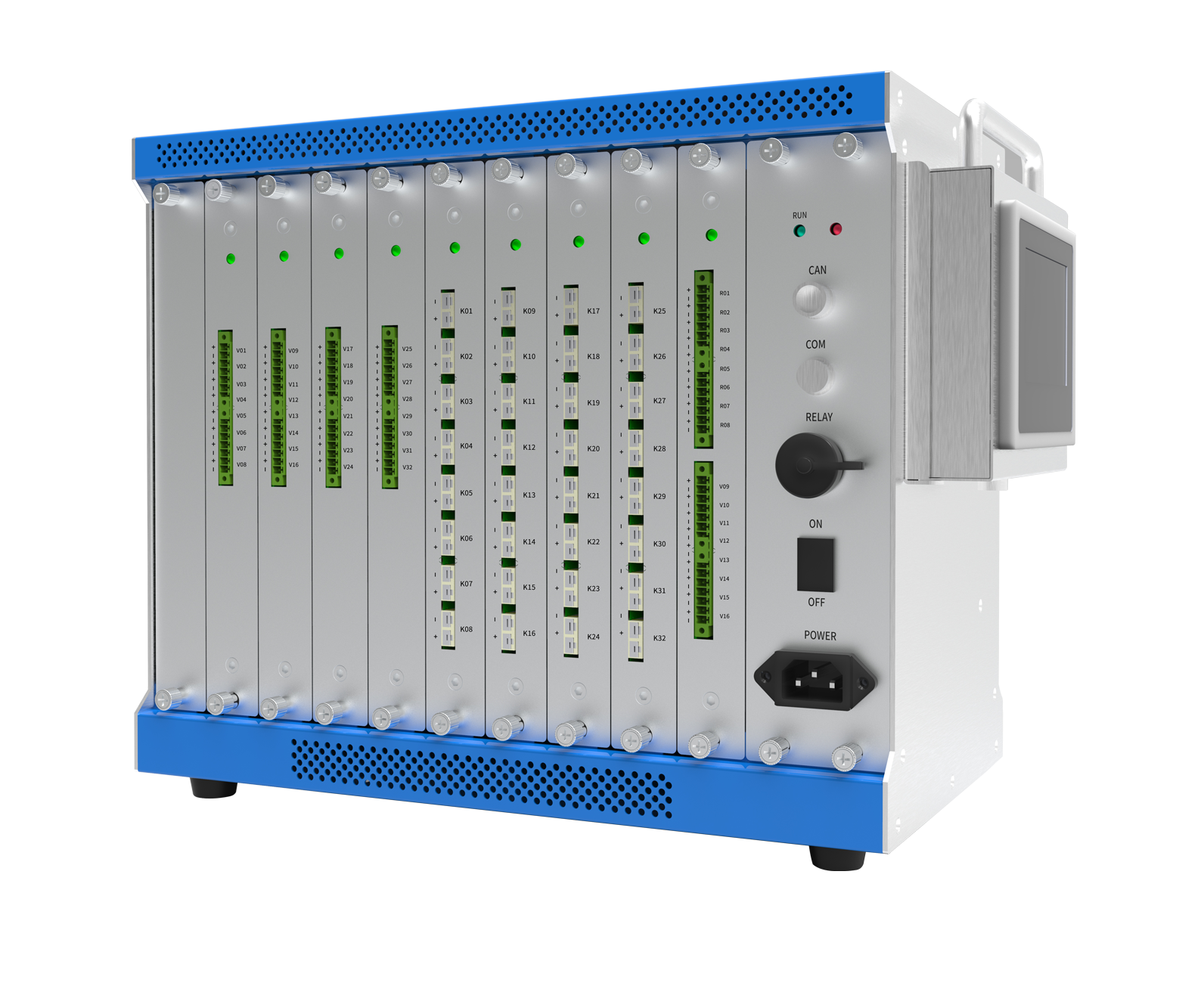

Optional Accessory - Auxiliary Sampling Module
Beijing Soaring Electric Technology Co., Ltd.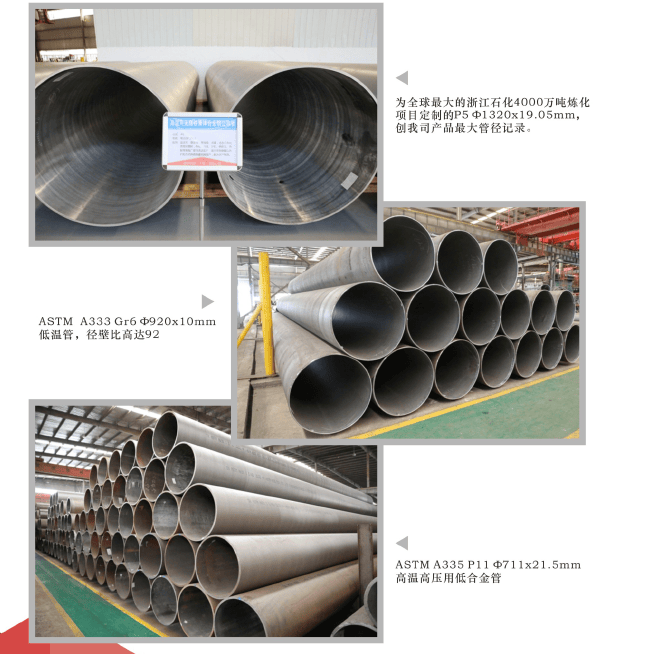
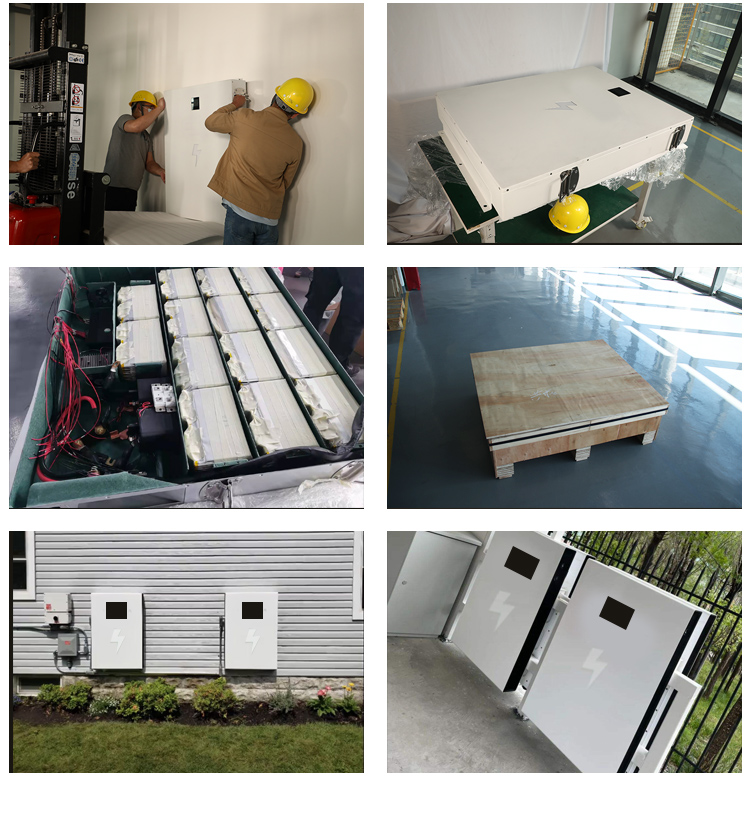
Safe, efficient, intelligent energy storage, creating smart homes and making life more convenient# Home Energy Storage # Supercapacitors # Energy Storage # Wall Mounted # Safe Electricity Use
Gonghe Power Co.,LTD
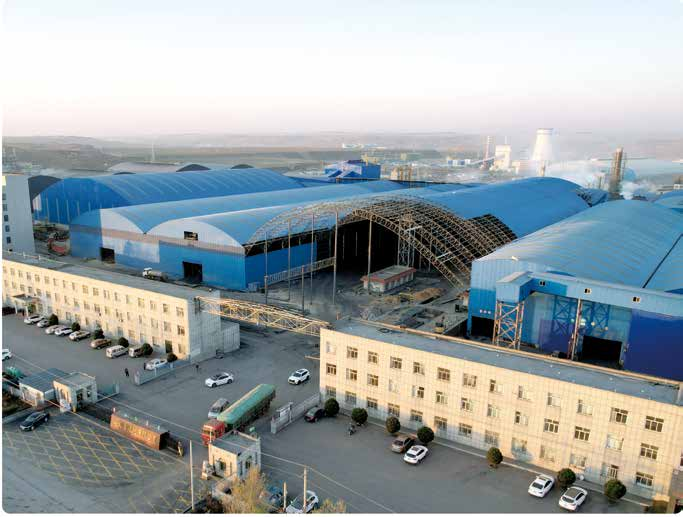
Jianlong Xilin Iron and Steel 1# Converter Medium-low Temperature Waste Heat Recovery Retrofit Project
Capital Engineering & Research Incorporation Limited