From Efficiency Retrofits to Smart Microgrids, Technology Routes Are Becoming Layered
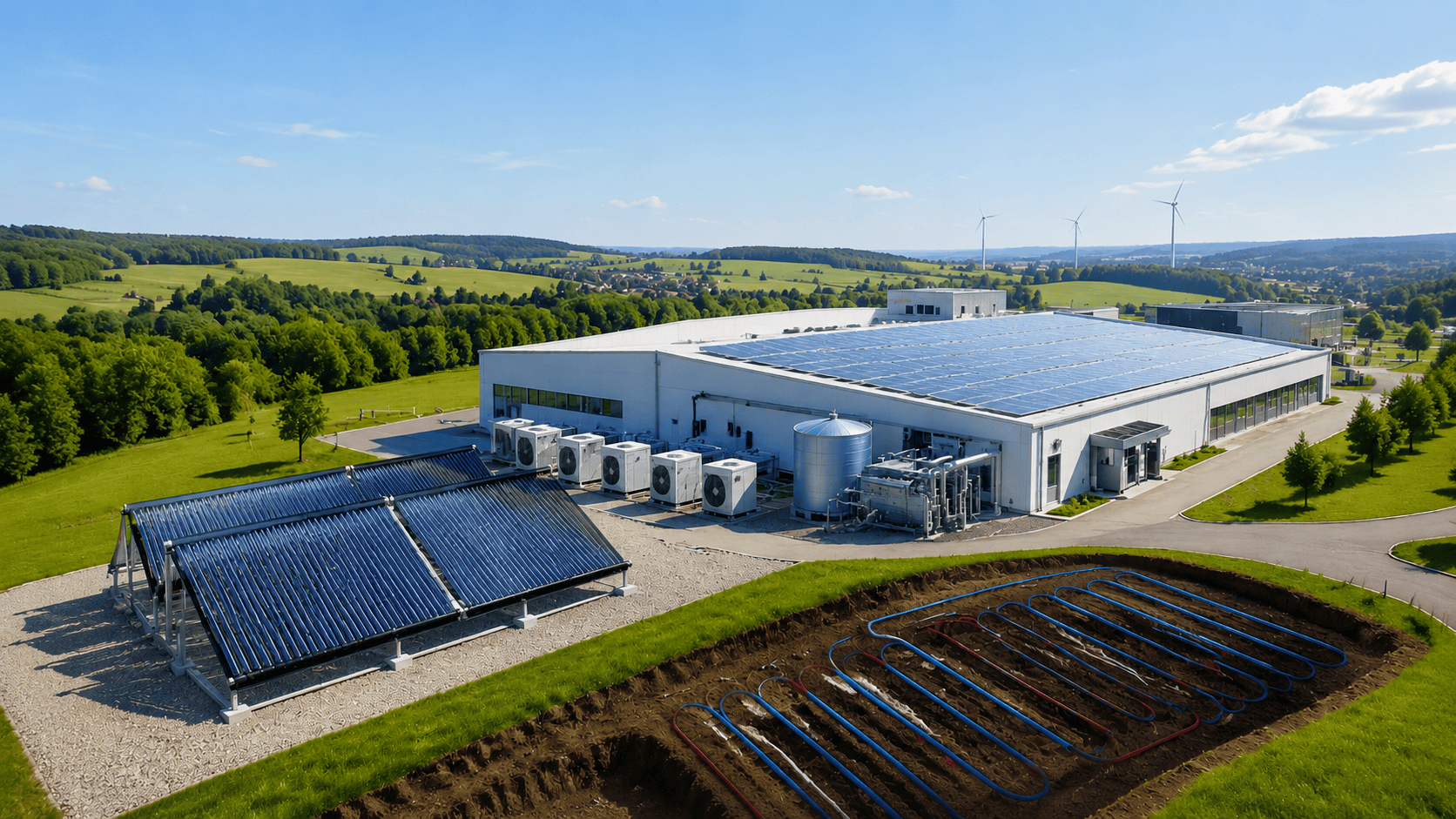
en.Wedoany.com Reported - The construction of a Zero Carbon Industrial Park is not a one-time installation project. It is a staged technical system shaped by industrial structure, energy intensity, land availability, grid access, financing conditions and tenant demand. A mature approach usually develops through four layers: energy efficiency, clean energy substitution, flexible energy regulation and digital carbon management.
The first layer is energy efficiency. For most industrial parks, the most practical starting point is reducing energy consumption per unit of output. High-efficiency motors, variable-frequency drives, waste heat recovery, compressed air optimization, cooling system upgrades, building envelope improvements and lighting retrofits can all release savings without changing the core production process. Efficiency measures may be less visible than large renewable power projects, but they form the most stable foundation for park-level decarbonization.
The second layer is clean energy substitution. Depending on resource conditions, a park may use rooftop solar, carport photovoltaic systems, distributed wind power, renewable power procurement, green certificates, biomass energy, geothermal energy or industrial heat pumps. For parks with significant heat demand, electrification of low- and medium-temperature heat is becoming more relevant. The key is to match clean energy systems with real load patterns. Otherwise, projects may face curtailment, peak-valley mismatch or unstable returns.
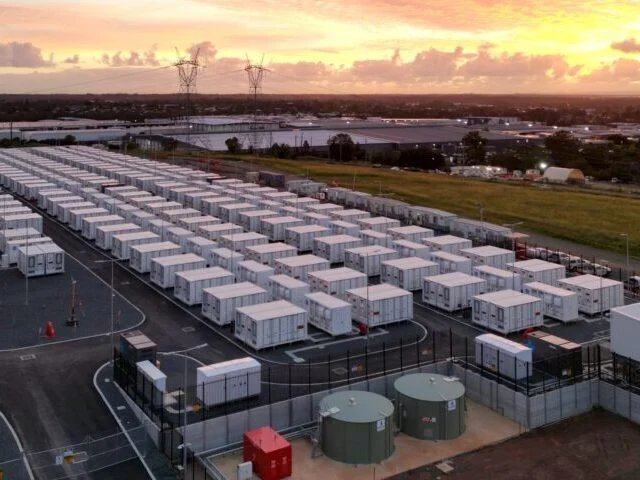
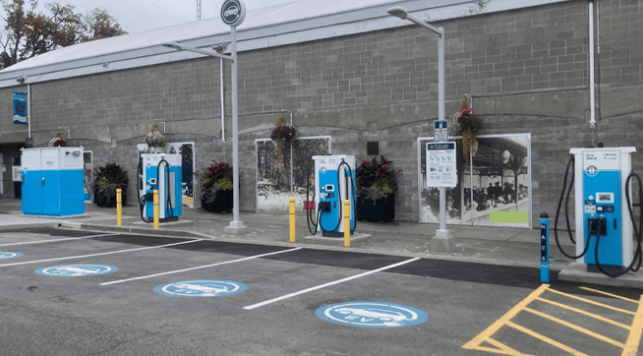
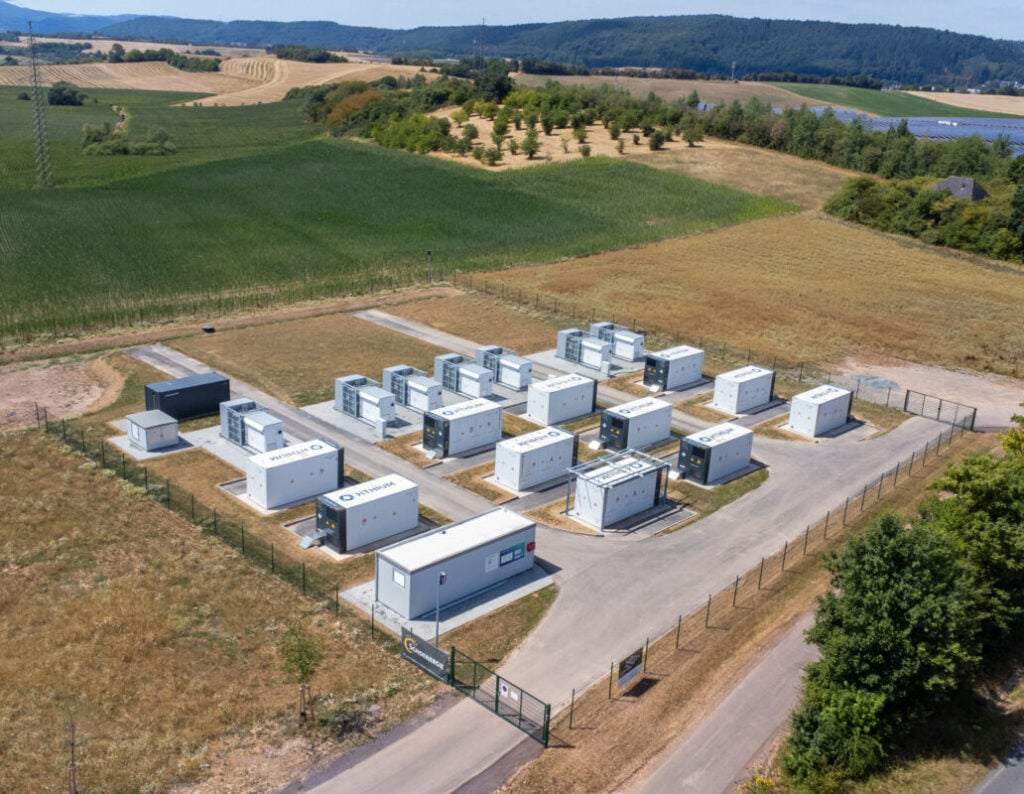
The third layer is flexible regulation. As the share of solar and wind power rises, industrial parks need energy storage, smart distribution systems, adjustable loads and demand response to manage variability. A smart microgrid can connect distributed generation, storage, charging facilities, key production loads and public service systems, allowing local optimization. For parks with continuous production, microgrid design must also consider power reliability and emergency supply.
The fourth layer is digital carbon management. A zero-carbon park should not be evaluated only by annual electricity bills or installed capacity. It needs continuous tracking of energy flows, carbon emissions, equipment efficiency and tenant behavior. A carbon management platform can create auditable data for ESG reporting, customer verification, green finance and carbon asset operation.
From a technology perspective, the zero-carbon park is not a single-product market. It is an integrated engineering market. Solution providers that can connect efficiency equipment, renewable systems, storage, microgrids, metering and carbon management software will be better positioned to serve complex industrial park projects.
Related Products
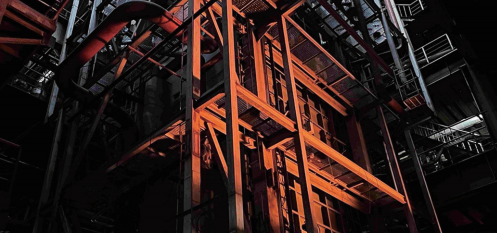

Jianlong Xilin Iron and Steel 1# Converter Medium-low Temperature Waste Heat Recovery Retrofit Project
Capital Engineering & Research Incorporation Limited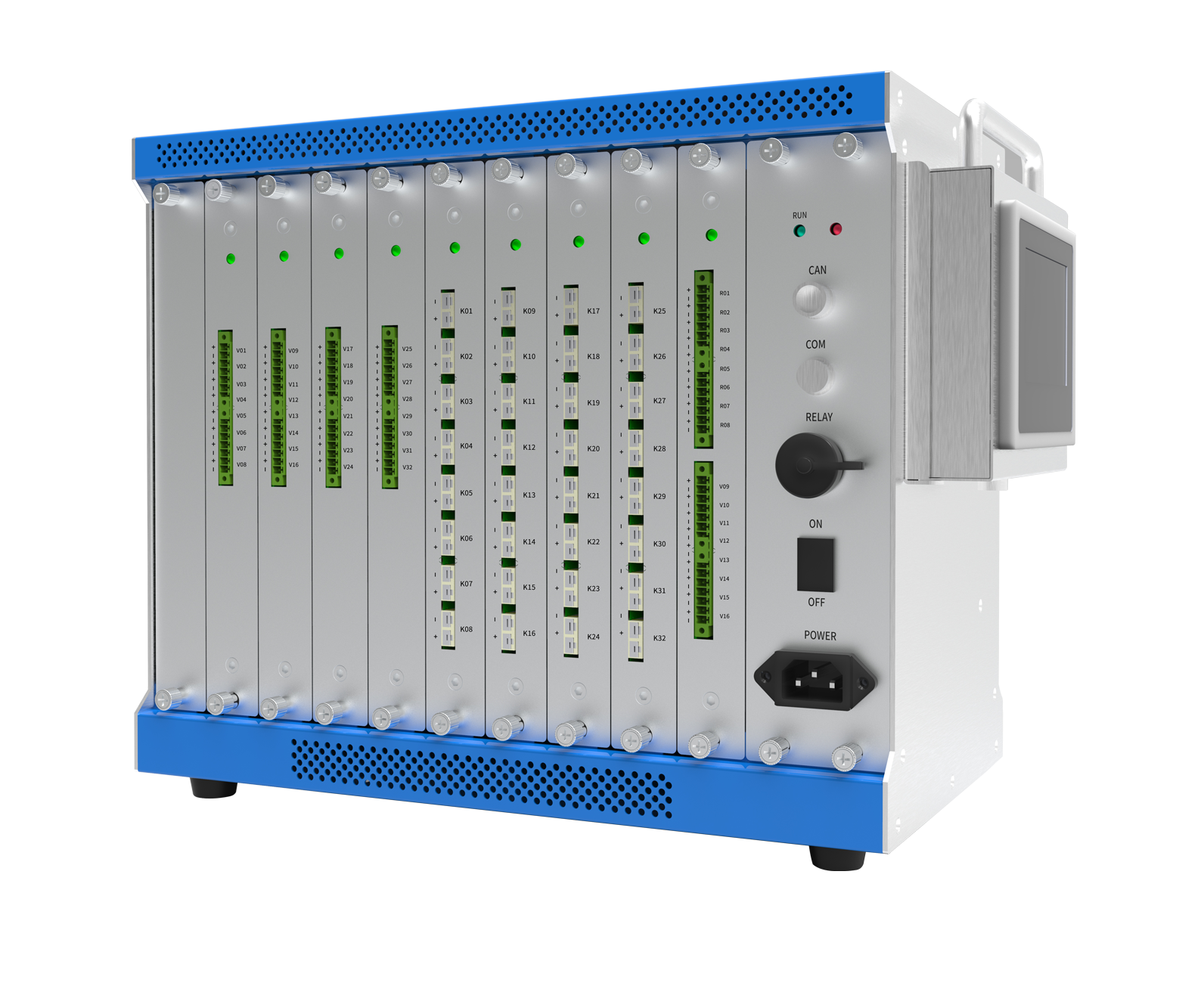
Optional Accessory - Auxiliary Sampling Module
Beijing Soaring Electric Technology Co., Ltd.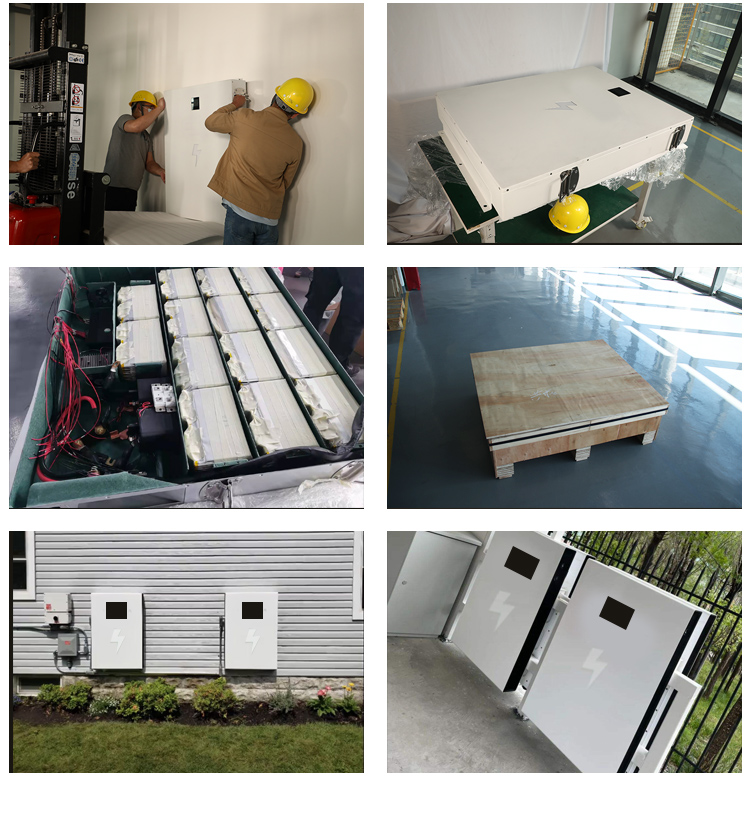
Safe, efficient, intelligent energy storage, creating smart homes and making life more convenient# Home Energy Storage # Supercapacitors # Energy Storage # Wall Mounted # Safe Electricity Use
Gonghe Power Co.,LTD