Singapore looks forward to deepening cooperation with China on green transition and AI
en.Wedoany.com Reported - Singapore's Minister for National Development, Desmond Lee, said on July 6 at the Singapore-China Forum held in Singapore that Singapore looks forward to deepening cooperation with China in areas such as green transition, artificial intelligence, and addressing population aging. This year's Singapore-China Forum, themed "Variations and New Horizons in the Global Order," was hosted by Singapore's Lianhe Zaobao.
Desmond Lee noted that China has accumulated experience in renewable energy and clean energy technologies, which is significant for enhancing regional energy resilience and advancing decarbonization. Singapore, on the other hand, can leverage its expertise in sustainable urban planning and integrated development. Green transition is not a single-sector issue; it involves multiple dimensions such as urban renewal, energy systems, building energy efficiency, low-carbon transportation, industrial parks, community governance, and cross-border cooperation. As a city-state, Singapore has long focused on intensive land use, green buildings, and integrated urban development. China has achieved large-scale progress in renewable energy manufacturing, clean energy applications, smart grids, new energy transportation, and green infrastructure. If both sides align their respective experiences in specific projects, the scope for cooperation can extend from policy exchanges to urban planning, industrial park development, energy-saving retrofits, energy management, and green technology applications.
Artificial intelligence was another key area highlighted by Desmond Lee. He stated that China is at the forefront in AI, robotics, and intelligent manufacturing, and has already deployed these technologies on a large scale in sectors such as construction, logistics, and urban infrastructure. Through exchanges between governments, industries, and academia, Singapore and China can transform innovative ideas into actionable plans.
Cooperation on population aging is more closely tied to social governance and urban services. Both Singapore and China face long-term challenges posed by an aging population. Potential areas of collaboration may include age-friendly living environments, community-based elderly care, health management, assistive robots, smart care devices, and public service systems. Compared to green transition and AI, the aging issue tests the integration of technology with daily life: whether building spaces are suitable for the elderly, whether community services can support independent living, and whether smart devices truly reduce caregiving burdens—all of which will affect the practical value of cooperation outcomes. By simultaneously addressing green transition, AI, and aging at the Singapore-China Forum, Desmond Lee indicated that the focus of subsequent cooperation between Singapore and China is shifting from traditional economic and trade exchanges to more specific areas such as urban governance, technology application, and social sustainable development.
Related Products
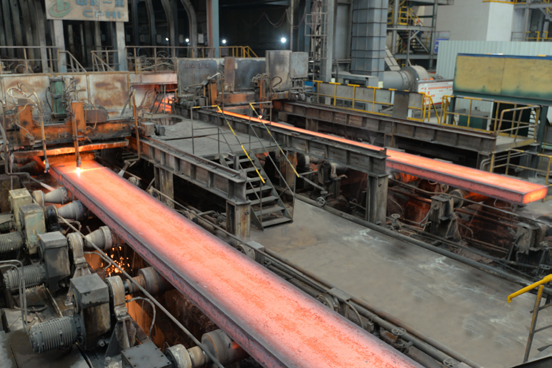


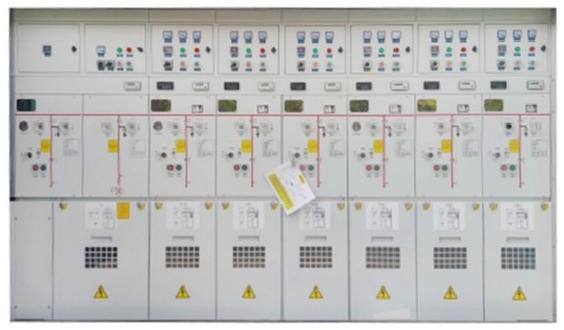
NISELA Series Environmentally Friendly Gas-Insulated Ring Main Unit
XJ DELISHIER ELECTRIC CO., LTD.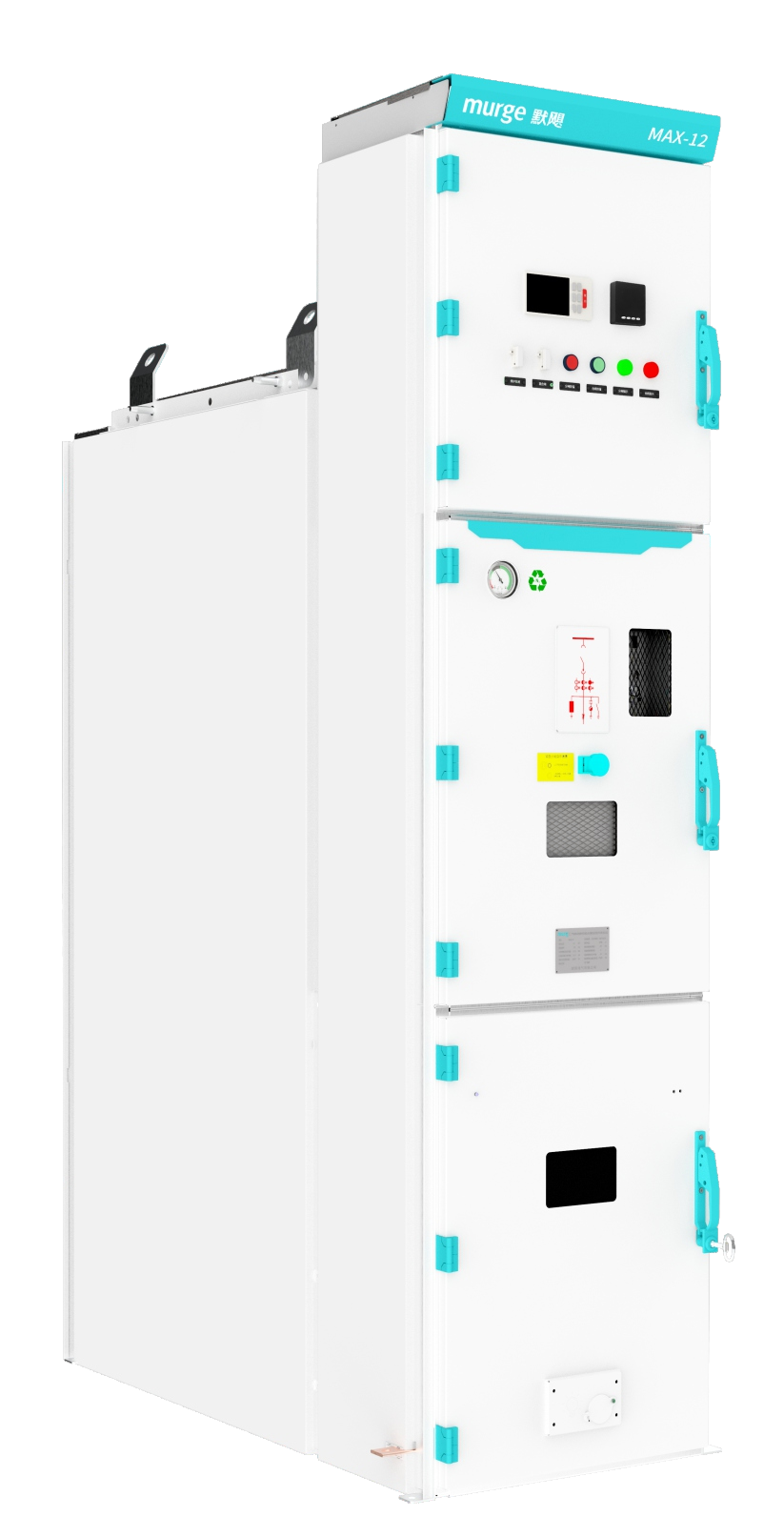
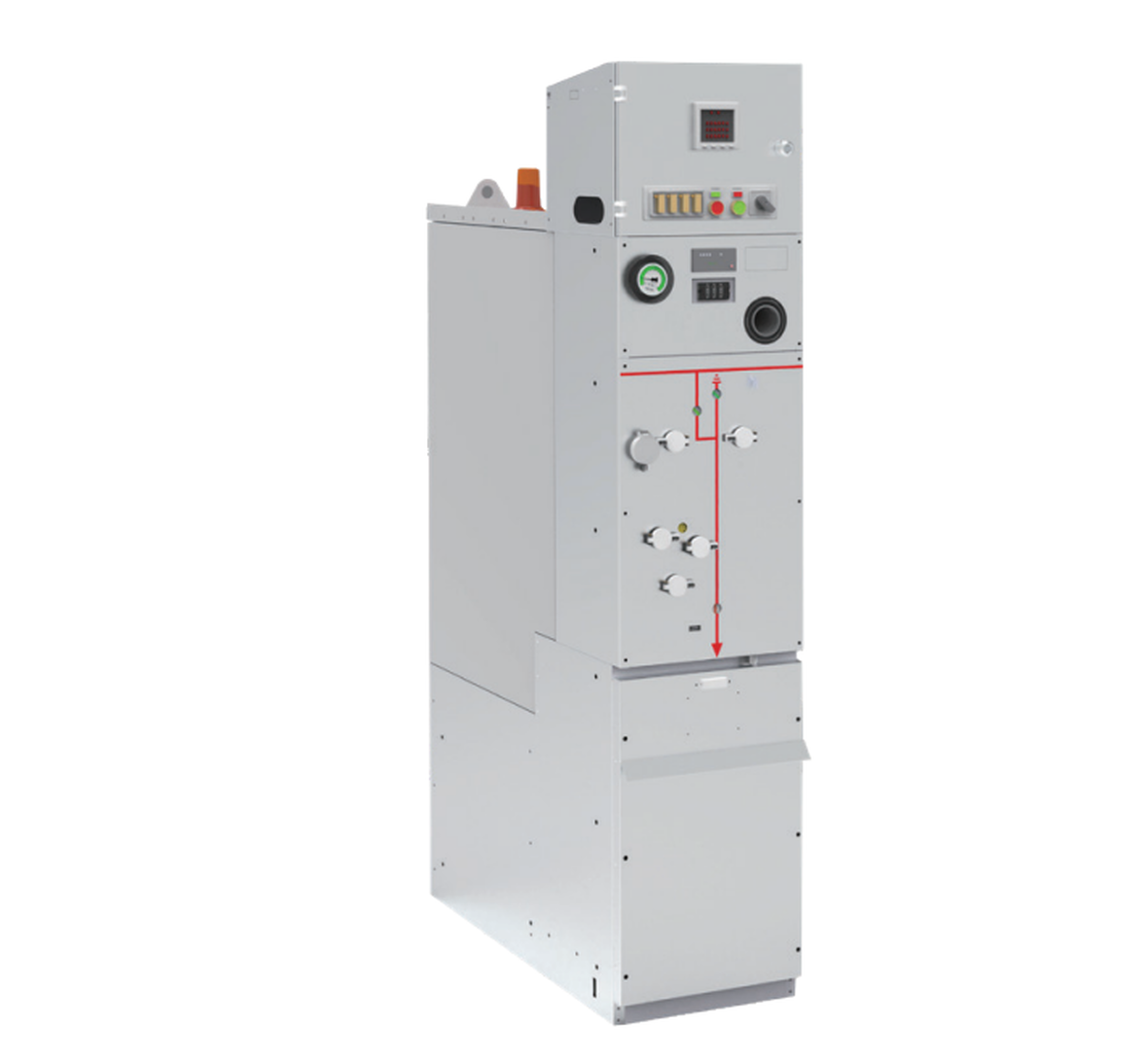
MAX-12 series Environmental Protection/SF6 gas insulated switchgear (C-GIS)
Murge Electric Co.,Ltd.


Environmentally Friendly Flame-retardant PVC Double-layer Insulated Wire
Sichuan Chndo Cable Co., Ltd.

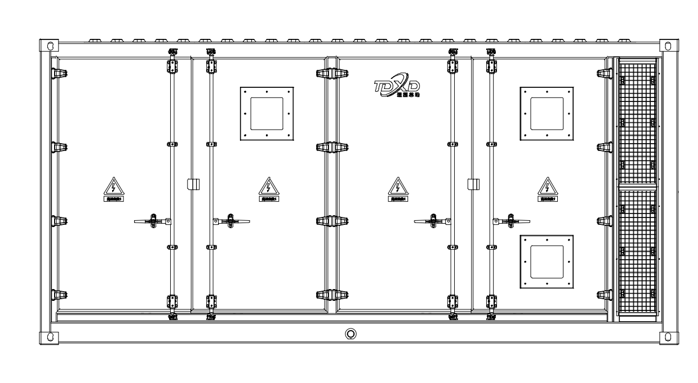
5012kWh DC Energy Storage System TD-EES-5012kWh
Suzhou Tongding Xindong Energy Storage Technology Co., Ltd.