Overseas Grid Projects Are Rewriting Supply Chain Requirements
en.Wedoany.com Reported - As countries expand transmission corridors, upgrade distribution networks and replace aging overhead lines, Power Line Fittings are becoming more important in overseas power engineering supply chains. For EPC contractors and utility buyers, purchasing these products is no longer only a matter of finding a competitive price. It is also about matching the line design, local standards, construction practice and delivery schedule.
Grid conditions vary greatly from one market to another. Some countries are building renewable power evacuation lines. Some are focusing on rural electrification and distribution reinforcement. Others are replacing older transmission assets to improve reliability. Project environments may include coastal areas, deserts, mountains, tropical regions, cold climates or dense urban corridors. Line fittings must match conductor types, tower structures, voltage levels, climate conditions and installation methods in each project.
Standards are one of the main barriers in international procurement. Buyers often need evidence that the products meet local or project-specific technical requirements. Type test reports, material certificates, galvanizing inspection records, mechanical performance tests and batch traceability documents can all influence supplier qualification. For large grid projects, consistency in dimensions, strength, surface treatment, packaging and marking is also essential.
Delivery capability is another critical factor. Line fittings involve many categories, small specifications and large quantities. A delay in a small part can affect the progress of a whole line section. Mature suppliers therefore need strong bill-of-material management, project-based packaging, staged shipment, spare parts planning and technical support. For overseas contractors, reducing wrong delivery, missing parts, specification confusion and on-site rework can be more valuable than a low unit price.
The international opportunity for line fitting suppliers will depend on three capabilities. The first is standard conversion: understanding different technical requirements across markets. The second is engineering support: offering complete hardware packages according to line design. The third is delivery reliability: supporting EPC schedules with stable manufacturing and logistics. As global grid investment continues, suppliers with these capabilities will be better placed to compete in overseas transmission and distribution projects.
Related Products
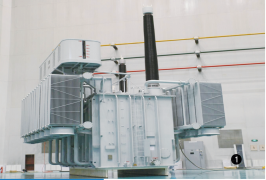

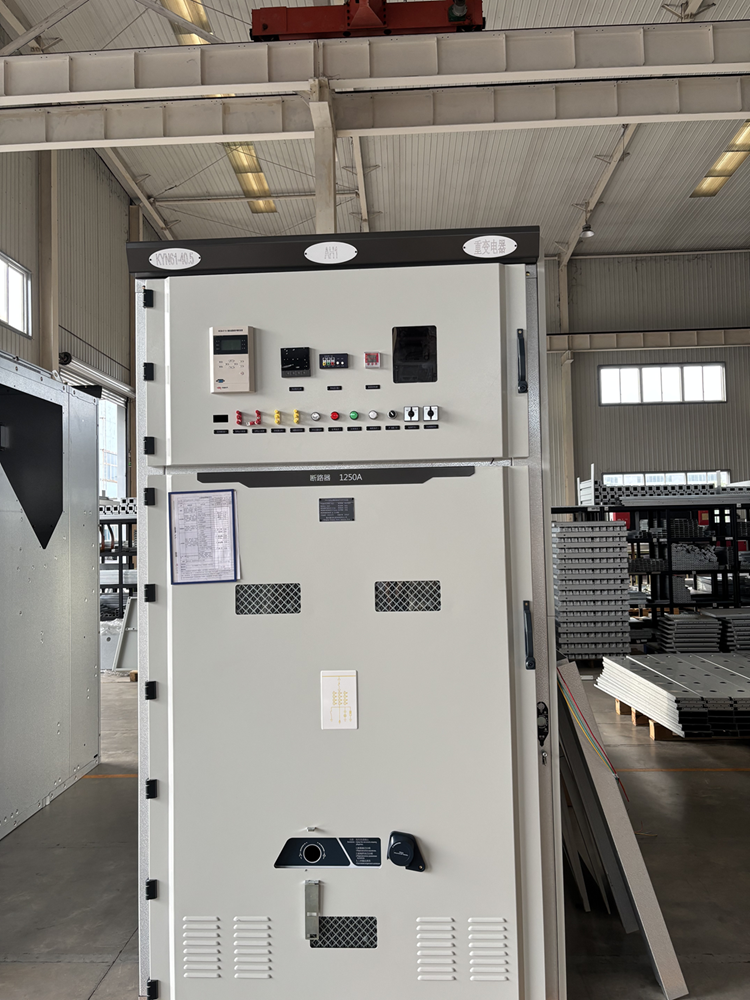
KYN61-40.5 Indoor AC Metal-clad Removable Switchgear
Chongqing Transformer Co., Ltd.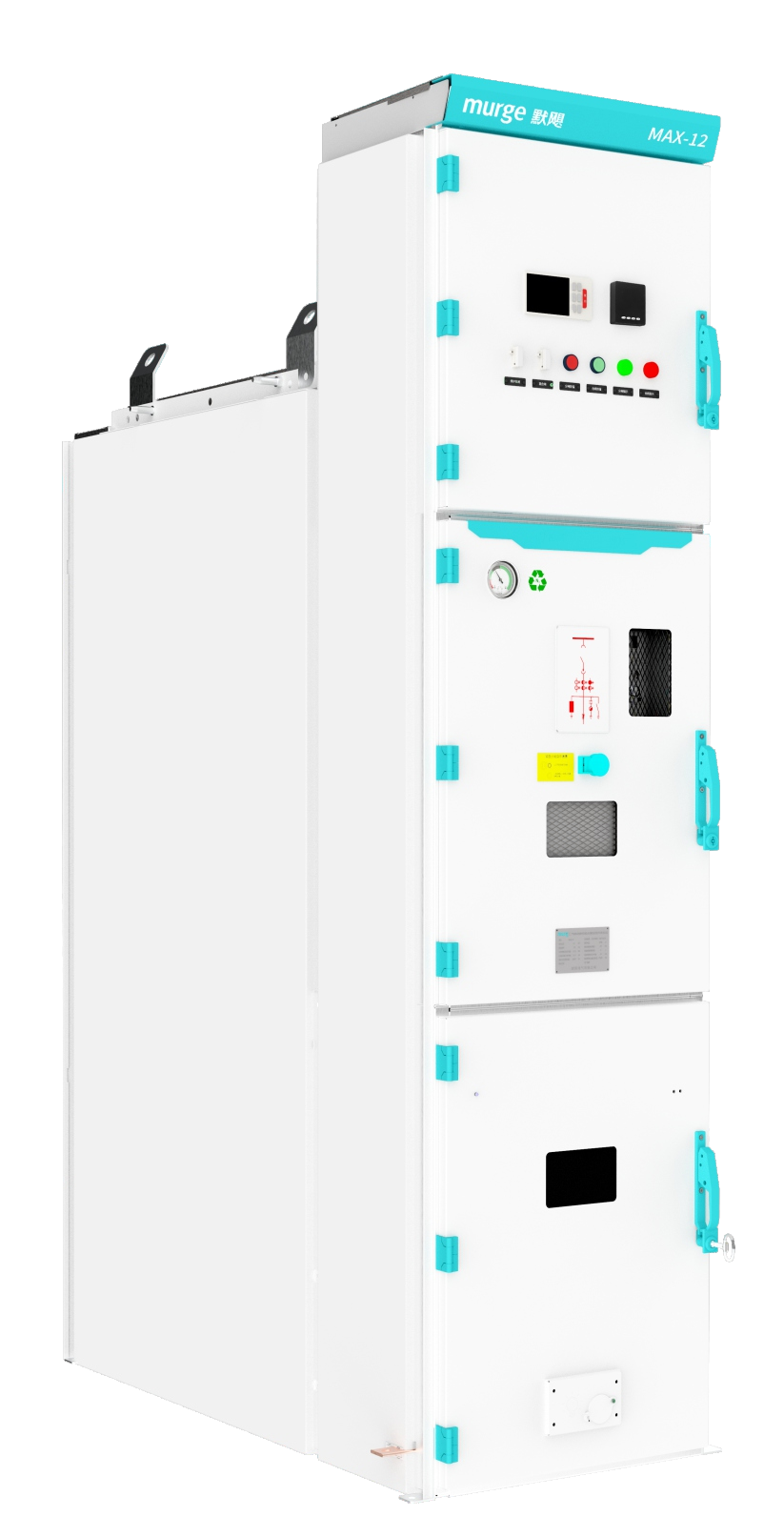
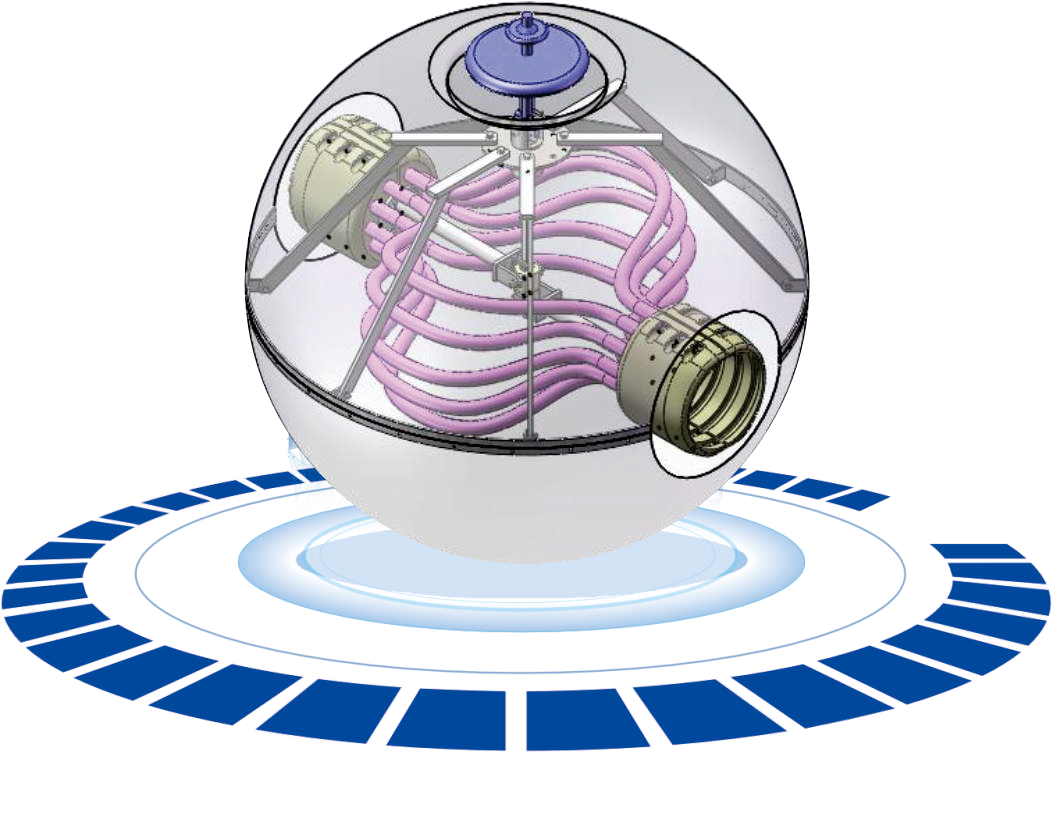
MAX-12 series Environmental Protection/SF6 gas insulated switchgear (C-GIS)
Murge Electric Co.,Ltd.
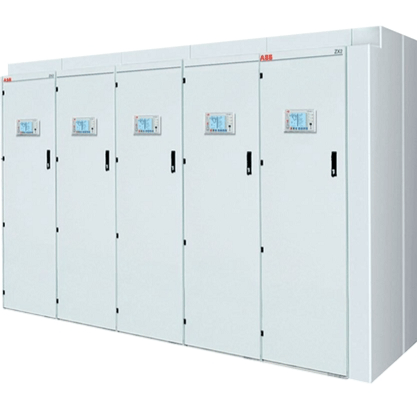
High-Voltage Isolation Dry-Type Transformer for 200kV DC System
Jinan XD Special Transformer Co., Ltd.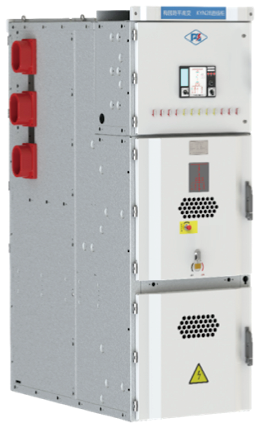
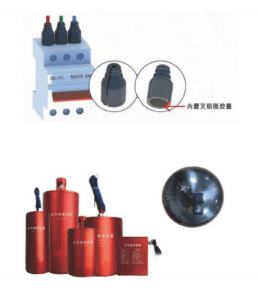
Anti-re-ignition Flame Extinguishing Series Products
CHINA RAILWAY HIGH-SPEED ELECTRIFICATION EQUIPMENT CORPORATION LIMITED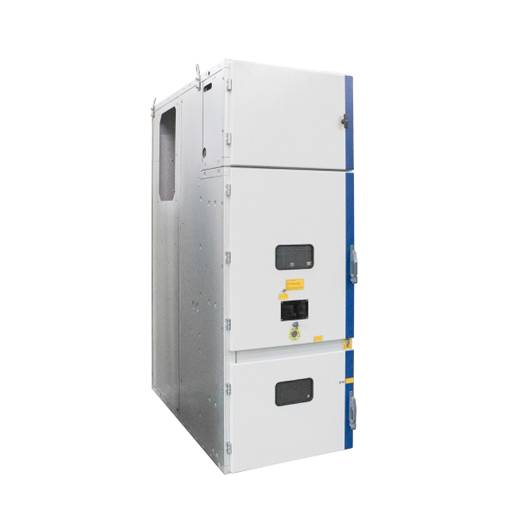
12kV KYN27 Withdrawable Metal-enclosed Switchgear
Guangdong Zhengchao Electric Co., Ltd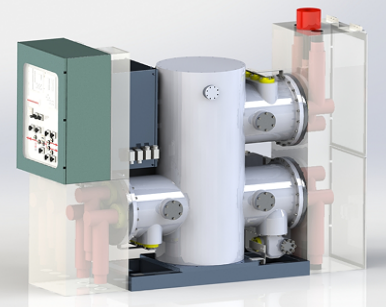
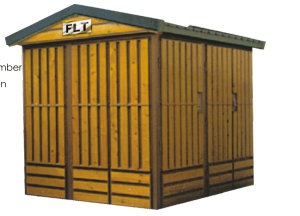
35 kV photovoltaic power generation combined transformer
Sichuan Fulaite Power Equipment Co., Ltd.