Overseas Markets Need Site-Level Solutions, Not Isolated Chargers
en.Wedoany.com Reported - As electric mobility expands in Southeast Asia, Latin America, the Middle East, Africa and India, Charging and Battery Swapping Equipment is becoming an important export opportunity for the new energy supply chain. However, overseas customers often need more than individual chargers or swapping machines. They need site-level solutions adapted to local vehicles, grid conditions, land use, payment habits and maintenance capabilities.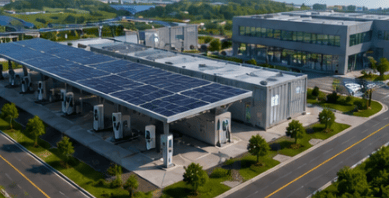
Many emerging markets face similar infrastructure challenges. Grid capacity may be limited, making it difficult for commercial districts, logistics parks or highway service areas to support high-power charging directly. Vehicle structures are also diverse, with two-wheelers, three-wheelers, passenger cars, light trucks, buses and logistics vehicles often developing at the same time. In addition, many operators need support in planning, installation, commissioning, platform access and staff training.
For this reason, exporting charging and swapping equipment is not simply a matter of copying product lists from mature markets. In Southeast Asian cities, two-wheelers and ride-hailing vehicles may create stronger demand for compact and high-turnover replenishment systems. In the Middle East, heat dissipation, dust protection and equipment durability are critical. In Latin American cities, bus and taxi electrification may drive demand for centralized charging depots. In parts of Africa, combining distributed solar power, storage and charging may be more realistic than relying only on grid expansion. In India, electric two-wheelers, three-wheelers and public transport create multiple layers of opportunity for both charging and swapping.
International projects also test a supplier’s ability to adapt to standards and financing models. Interface standards, metering certification, electrical safety, fire protection, grid connection and data compliance can vary across countries. At the same time, many customers may prefer EPC delivery, energy service contracts, leasing, instalment payment or revenue-sharing models instead of one-time hardware purchasing.
The future export competition will be defined by equipment reliability, site design, energy coordination and local service. Companies that can provide chargers, swapping systems, storage, solar integration, energy management platforms, operation software and project implementation support will be better placed to build long-term business in overseas EV infrastructure markets.
Related Products
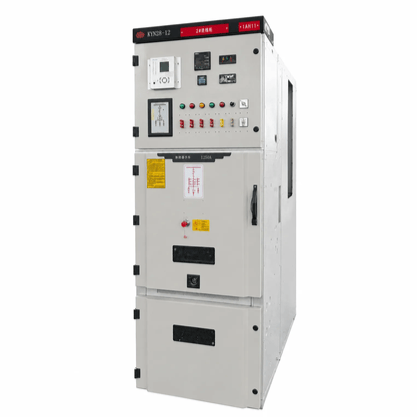

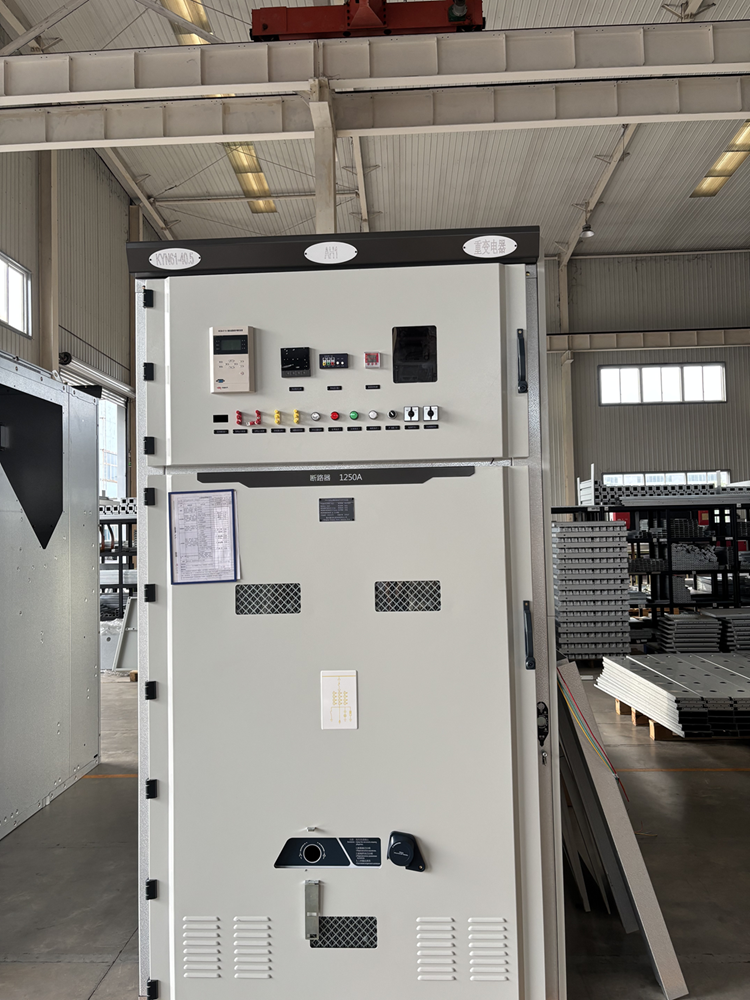
KYN61-40.5 Indoor AC Metal-clad Removable Switchgear
Chongqing Transformer Co., Ltd.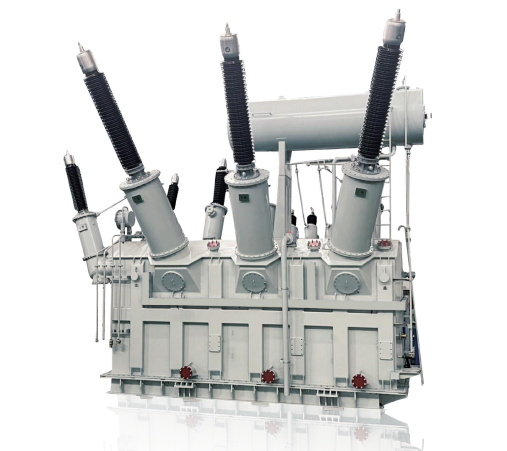
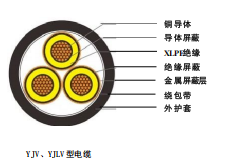
Rated Voltage 6-35kV Cross-linked Polyethylene Insulated Power Cable
TONGDING INTERCONNECTION INFORMATION CO., LTD.
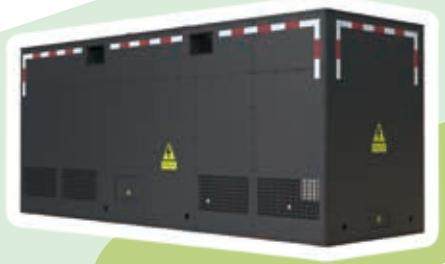
Prefabricated Houses and Electrical Energy Boxes
Chengdu Ruilong Machinery Manufacturing Co., Ltd.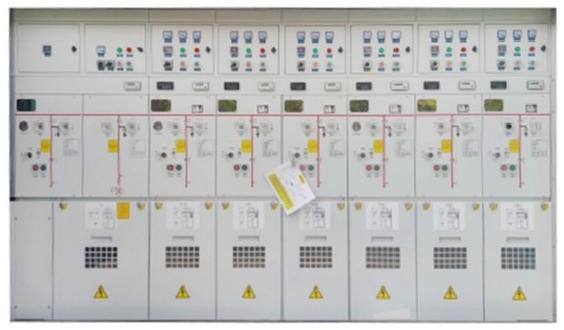
NISELA Series Environmentally Friendly Gas-Insulated Ring Main Unit
XJ DELISHIER ELECTRIC CO., LTD.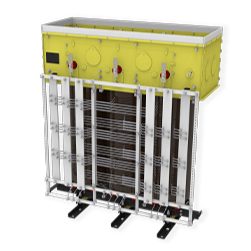
Multi-Winding Converter Transformer for Variable Frequency Speed Control
Newonder Special Electric Co., Ltd.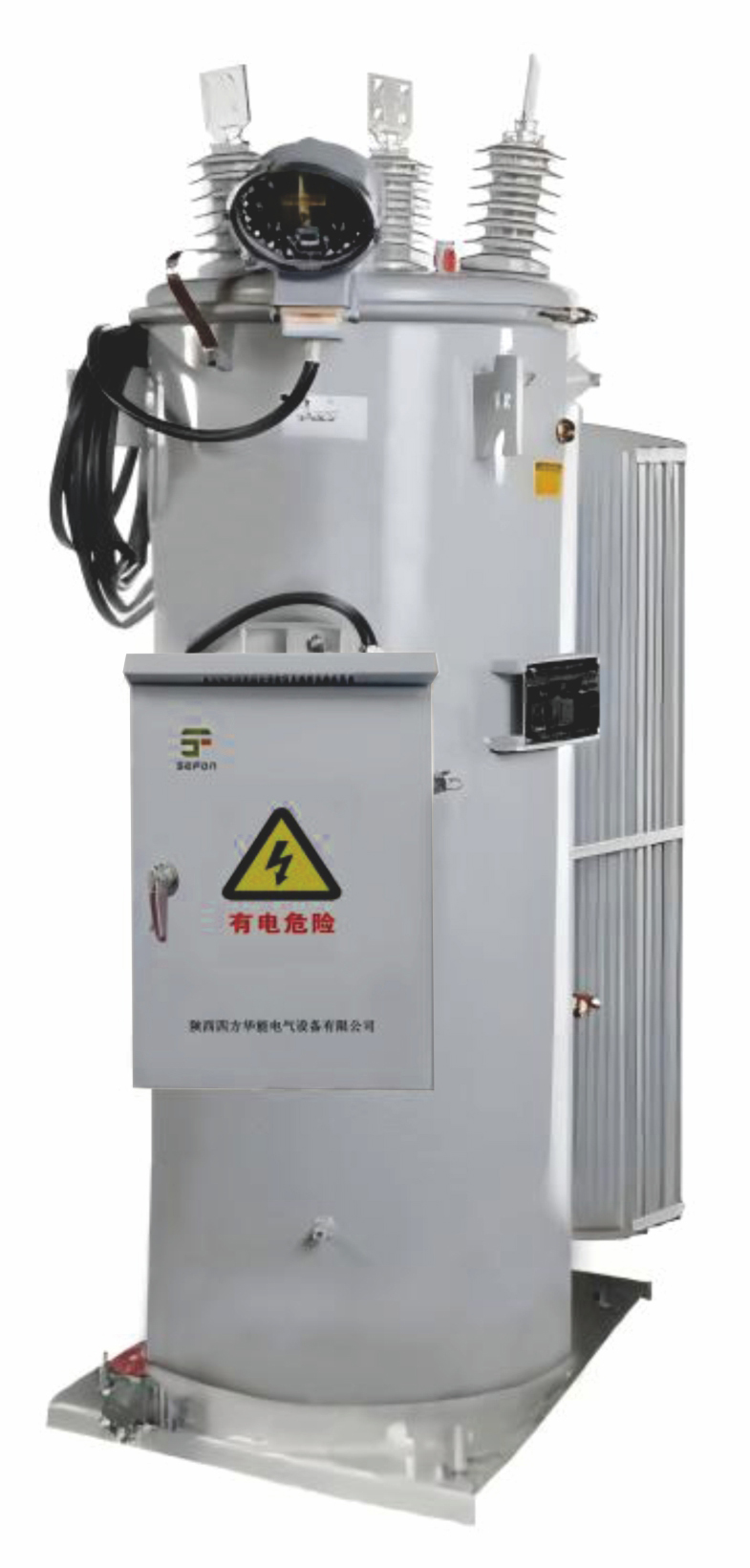
Single-Phase Automatic Voltage Regulator(AVR)
Shaanxi Sefon Electrical Equipment Co.,Ltd.