Battery Swapping Is Finding Its Value in Fleet Operation and Battery Asset Management
en.Wedoany.com Reported - Battery swapping is not a new idea, but it is gaining renewed attention as electric mobility expands and high-frequency vehicle operation creates stronger demand for rapid energy replenishment. Within the broader field of Charging and Battery Swapping Equipment, swapping systems have a different logic from conventional charging. Instead of waiting for a battery to recharge, the vehicle receives a charged pack through a standardized, automated station system.
The strongest use cases are usually not low-frequency private cars, but commercial vehicles where time has a clear economic value. Taxis, ride-hailing vehicles, urban delivery vans, port tractors, mining vehicles and electric heavy-duty trucks can benefit when downtime is reduced. For logistics fleets, battery swapping can be integrated with route planning, driver shifts, depot scheduling and loading operations.
Battery swapping equipment has a higher technical threshold than a standard charger. It involves battery positioning, locking mechanisms, robotic handling, insulation inspection, fire safety, thermal management and automated station control. At the same time, it requires battery inventory management, charging strategy, life-cycle evaluation, asset dispatching and digital monitoring. The long-term performance of a swapping station depends on mechanical reliability, battery standardization, software scheduling and safety management.
The biggest challenge is not only technology, but standardization and commercial closure. Different vehicle platforms may use different battery dimensions, mounting structures and electrical interfaces. Without common standards, a swapping station may be limited to a narrow group of vehicles. In addition, the battery is a high-value asset. Ownership, leasing, maintenance, residual value and second-life use must all be clearly managed.
Battery swapping does not need to replace fast charging in order to be valuable. It can develop as a complementary solution in high-utilisation scenarios. For equipment suppliers, opportunities include swapping robots, battery racks, charging cabinets, inspection systems, fire protection, station control platforms, energy management and fleet scheduling software. The companies that combine equipment reliability, battery standardization and an operating model will have a stronger position in the swapping value chain.
Related Products

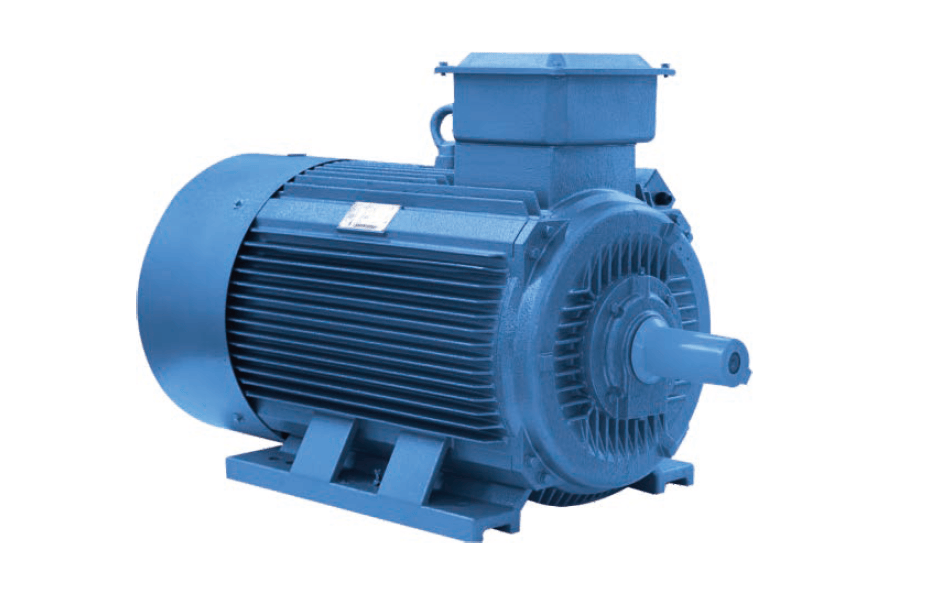
TYC Series High-Efficiency Permanent Magnet Synchronous Motor
Xiangdian Smart Energy Technology Co., Ltd.
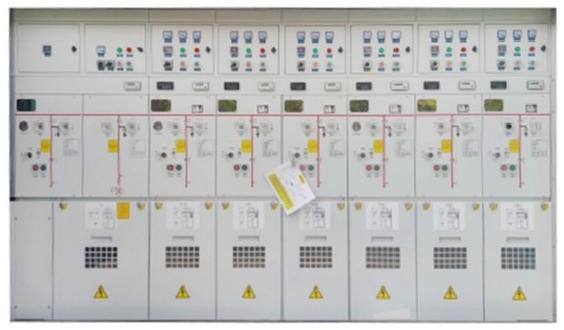
NISELA Series Environmentally Friendly Gas-Insulated Ring Main Unit
XJ DELISHIER ELECTRIC CO., LTD.
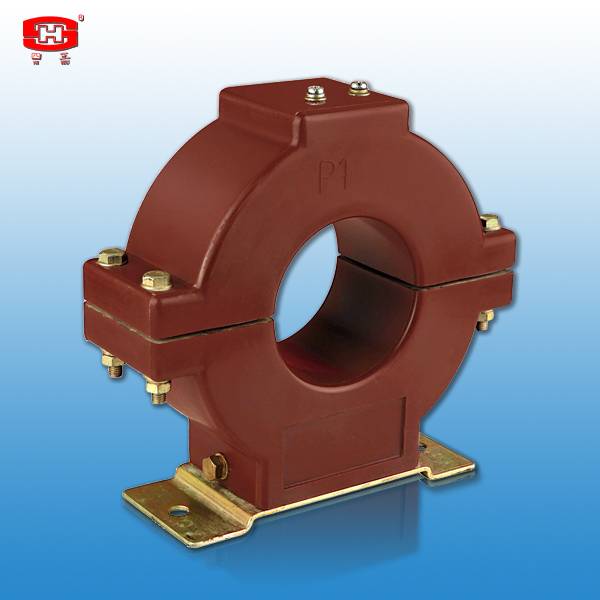
0.66kV Power Supply Instrument Transformer
Guangdong Sihui Instrument Transformer Works Co., Ltd.
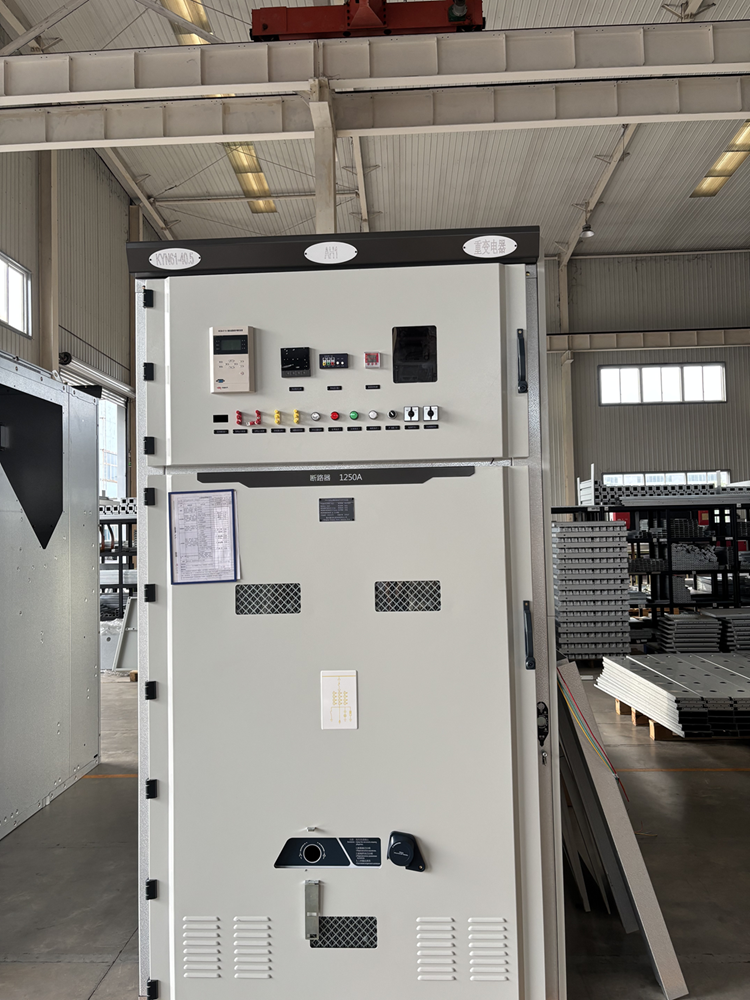
KYN61-40.5 Indoor AC Metal-clad Removable Switchgear
Chongqing Transformer Co., Ltd.
Oil-immersed Amorphous Alloy Core Distribution Transformer
Pinggao Group Smart Electric Co., Ltd.