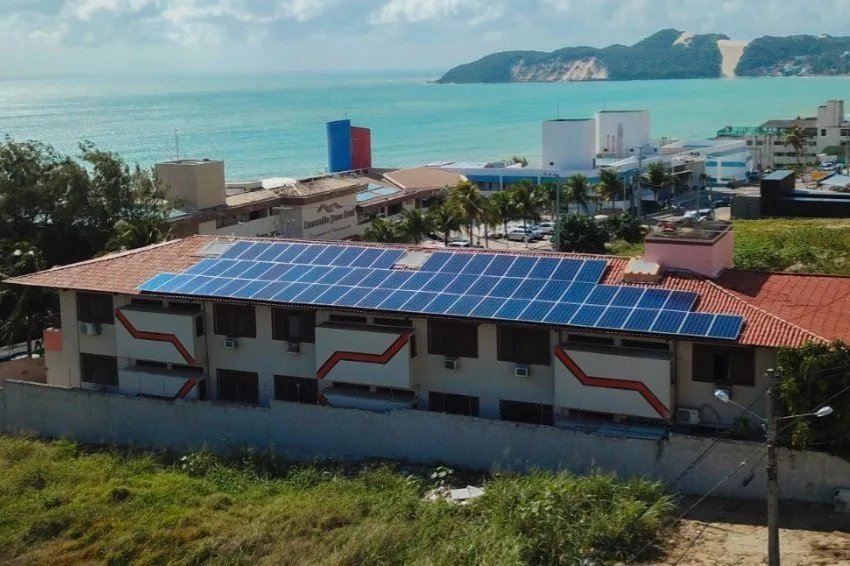
en.Wedoany.com Reported - Battery storage is transitioning from a niche add-on to an independent energy investment, poised to reshape how UK households and businesses consume, store, and interact with electricity. Over 1.6 million UK homes have installed solar panels, with a cumulative capacity of approximately 17 GW, but another more disruptive eco-technology is emerging.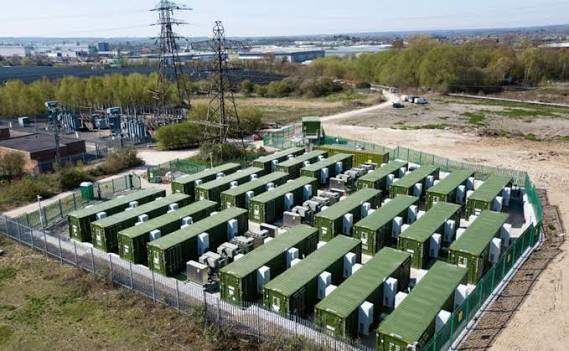
The UK grid is facing increasing pressure. As transport and heating become more electrified, electricity demand rises year by year, and the generation mix increasingly relies on variable renewable energy. Over the past year, approximately 40% of the UK's energy came from renewable sources. Flexible time-of-use (ToU) tariffs are expanding, driven by the rollout of smart meters and Market-wide Half-Hourly Settlement (MHHS), with about 9% of UK households now adopting this tariff model. Flexibility is becoming one of the most valuable assets in the energy system, and batteries have a unique advantage in monetizing this flexibility.
Battery storage allows consumers to purchase electricity when prices are low and use or sell it when prices are high. Batteries do not require solar panels to be economically viable; a standalone battery system can charge during low-price nighttime hours and discharge during peak evening periods. Modern lithium-ion batteries are compact, wall-mountable, and increasingly standardized. In 2024 alone, the UK installed over 22,000 home battery systems, bringing total domestic storage capacity to over 400 MWh. Monthly battery installations have grown from a few dozen per month in 2022 to over 1,000 per month in 2024. The UK residential battery storage market is expected to grow from £3.4 billion in 2025 to £11.8 billion by 2031, with a compound annual growth rate exceeding 23%. Brand recognition has accelerated adoption; Tesla's Powerwall has normalized battery storage as a mainstream home technology, and in March of this year, the company received Ofgem approval to supply electricity directly to UK homes, marking a deep integration between batteries, tariffs, and grid services.
Currently, fewer than one in twenty UK homes have solar panels, primarily concentrated in single-family owner-occupied homes in southern England. Batteries are suitable for apartments, shared offices, shaded buildings, and other areas where solar is not feasible, and they align more directly with UK electricity tariff models. Even moderate adoption—for example, 20% of UK homes and businesses installing batteries—would represent several gigawatts of highly responsive distributed capacity. Through virtual power plants (VPPs), home batteries are already being aggregated to provide grid services. Platforms operated by companies such as Octopus Energy, SolarEdge, and Kraken are integrating thousands of home batteries into flexibility markets. Policy analysis indicates that the UK will need 23 to 27 GW of battery storage by 2030 to maintain stability, with 10 to 15 GW expected to come from behind-the-meter assets.
Battery storage is becoming one of the most important developments in the UK energy market. While solar will remain a cornerstone of decarbonization, the future of the UK grid may ultimately be defined not by how electricity is generated, but by how it is intelligently stored, shifted, and deployed. The market focus is shifting from energy generation to energy management, and in many cases, solar may evolve into an optional add-on to a battery-first strategy.