Brazilian Senate Committee Approves National Zero Methane Plan Bill
en.Wedoany.com Reported - Brazil's Senate Economic Affairs Committee on the 7th approved a bill aimed at creating the National Zero Methane Program (Programa Nacional do Metano Zero), which has been submitted to the Environment Committee for consideration.
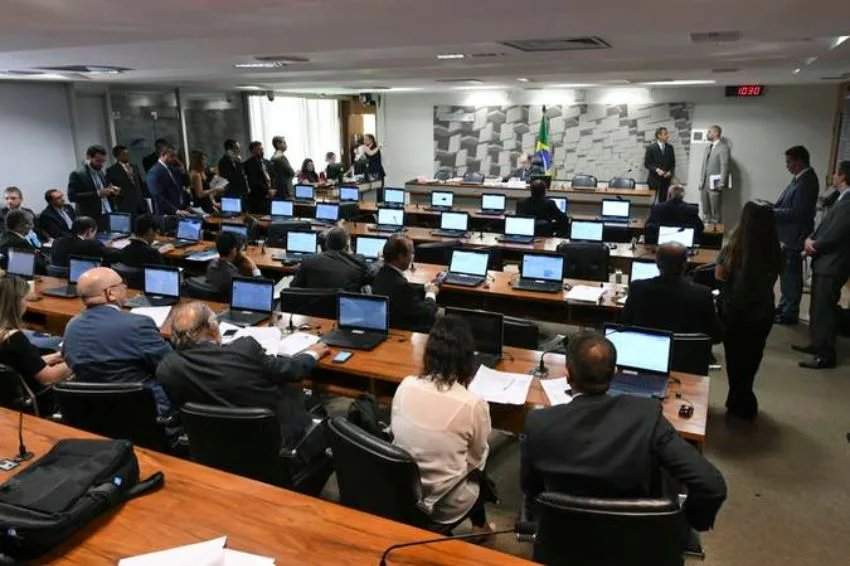
The proposal aims to encourage the use of urban, industrial, and agricultural waste for electricity generation and to establish a Zero Methane Certificate (Certificado Metano Zero), which can be issued to companies that prove they have reduced methane emissions. To obtain certification, relevant plants must submit technical studies, monitor their emissions, and meet the environmental requirements stipulated by the plan. The bill also mandates that municipalities with a population exceeding 500,000 must conduct feasibility studies on waste-to-energy recovery technologies.
The proposal also amends the National Solid Waste Policy (Política Nacional de Resíduos Sólidos), stipulating that in areas without selective waste collection, urban cleaning services should prioritize energy recovery solutions. In areas with selective collection, materials that are economically viable should continue to be used for recycling. The bill's author, Senator Fernando Dueire (Brazilian Social Democracy Party - Pernambuco), stated that the measure could stimulate new investments and strengthen recycling cooperatives. He believes the bill creates an environment of legal certainty and predictability for investments, stimulates technological development, and strengthens mechanisms for environmental credit certification, governance, and commercialization.
The plan covers three main waste-to-energy recovery models: anaerobic digestion plants, which convert organic waste into biogas for electricity generation, heating, or biomethane production, while also producing biofertilizers; waste-derived fuel (CDR) co-processing plants, which use waste as fuel in industrial processes such as cement manufacturing and electricity generation in thermal power plants; and urban solid waste energy recovery plants (URE), capable of generating energy through thermal or biological processes, reducing the volume of waste sent to landfills. Examples cited in the proposal include the URE in Barueri (SP), expected to begin operations in 2027, capable of processing 300,000 tons of waste annually, generating enough electricity to power approximately 320,000 people.
Related Products
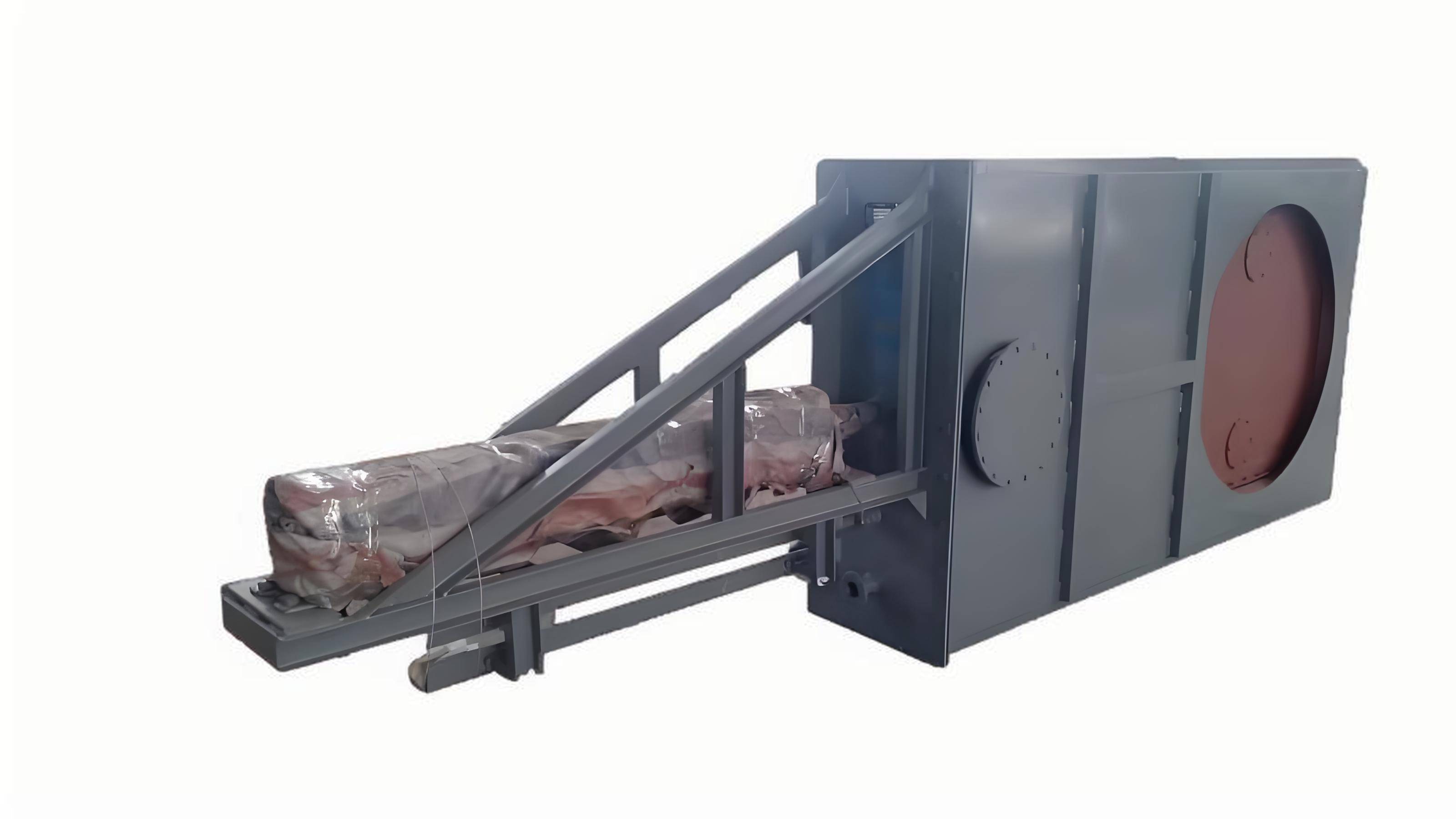

Double-slide Triple-sealed Hot Air Isolation Door
Xi'an Yingchuan Electric Power Equipment Co., Ltd.
Prefabricated Houses and Electrical Energy Boxes
Chengdu Ruilong Machinery Manufacturing Co., Ltd.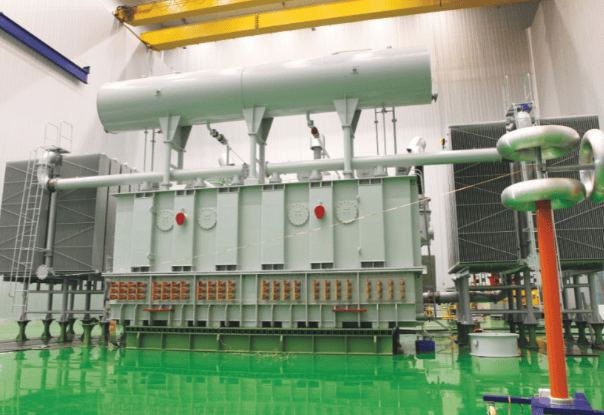
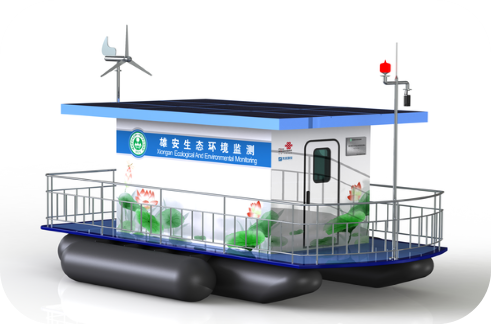
Floating Boat Water Quality Automatic Monitoring System
Hebei Sailhero Environmental Protection High-tech Co., Ltd.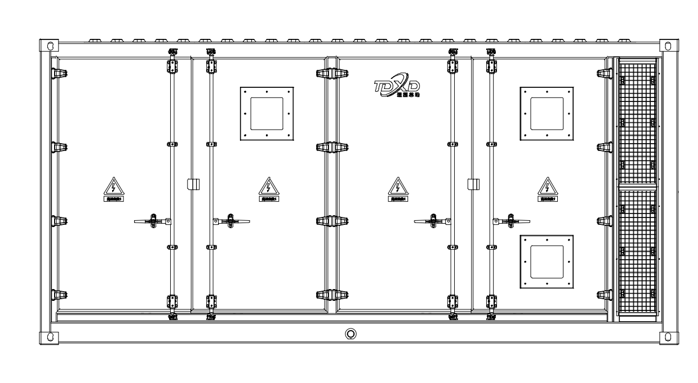
5012kWh DC Energy Storage System TD-EES-5012kWh
Suzhou Tongding Xindong Energy Storage Technology Co., Ltd.
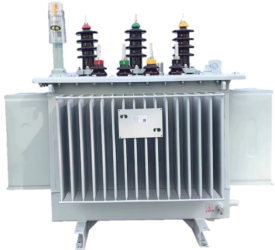
Oil-immersed Amorphous Alloy Core Distribution Transformer
Pinggao Group Smart Electric Co., Ltd.