Brazilian Solar Association Meets with Mining and Energy Committee Chair to Promote Photovoltaic Energy Storage Legislation
en.Wedoany.com Reported - The Brazilian Photovoltaic Solar Energy Association (Associação Brasileira de Energia Solar Fotovoltaica, ABSOLAR) recently held a meeting with the Chair of the Mining and Energy Committee (Comissão de Minas e Energia, CME) of the Brazilian Chamber of Deputies to coordinate the 2026 legislative agenda. The discussions focused on key topics such as the modernization of the electricity sector, optimization of distributed generation policies, and the regulatory framework for energy storage, aiming to promote the improvement and upgrading of Brazil's electricity sector regulatory system.
ABSOLAR is a national representative association for the photovoltaic industry in Brazil, bringing together companies and institutions across the photovoltaic value chain, and is committed to promoting the large-scale development of solar power in the country. The Mining and Energy Committee is one of the standing committees of the Brazilian Chamber of Deputies, responsible for reviewing legislative proposals related to mining, oil, electricity, and renewable energy, holding significant influence in Brazil's energy policy formulation.
According to ABSOLAR, the association's Executive President, Rodrigo Sauaia, and the technical team attended the meeting. Committee Chair Rodrigo de Castro emphasized the importance of unity within the electricity sector around consensus issues, advocating that legislative proposals should be advanced through consensus among all parties to improve and strengthen Brazil's electricity sector. This meeting is part of ABSOLAR's ongoing efforts to maintain regular communication with federal legislative bodies. Since 2026, ABSOLAR has held multiple meetings with the Ministry of Mines and Energy and relevant congressional committees, covering topics such as energy storage capacity reserve auctions, adjustments to the distributed generation regulatory framework, and the impact of tax reform on the photovoltaic industry.

Brazil is one of the countries with the richest solar resources in the world. According to ABSOLAR statistics, as of early 2026, Brazil's cumulative installed photovoltaic capacity has exceeded 45 GW, with distributed generation accounting for approximately 65%. With the rapid expansion of installed capacity, the industry has raised higher demands for the stability and predictability of the regulatory framework. This coordination of the legislative agenda aims to advance the review process of multiple pending bills, providing institutional guarantees for the sustained growth of the photovoltaic industry.
During the meeting, ABSOLAR submitted several legislative proposals to the committee, focusing on optimizing the compensation mechanism for distributed generation, energy storage system participation rules in capacity auctions, and simplifying environmental licensing procedures for photovoltaic projects. The committee stated that it will prioritize the review of relevant proposals and plans to hold multiple public hearings in the second half of 2026 to gather input from the industry and various sectors of society.
ABSOLAR stated that it will continue to maintain close communication with the federal government and legislative bodies, promoting the establishment of a regulatory environment conducive to solar energy development, and helping Brazil achieve its energy transition and carbon neutrality goals. This meeting marks a more systematic phase of cooperation between Brazil's photovoltaic industry and federal legislative bodies in policy coordination.
Related Products


Off-Grid Fuel Cell Supercharging Station (180kW Configuration)
Shanghai REFIRE Group Limited
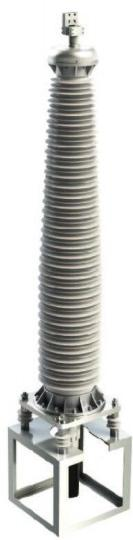
220kV Composite Outdoor Cable Terminal
Shenyang Guolian Cable Accessories Manufacture Co., Ltd.
Pneumatic high-pressure wear-resistant ball valve
Zhejiang Deca Control Valve Meter Co., Ltd.
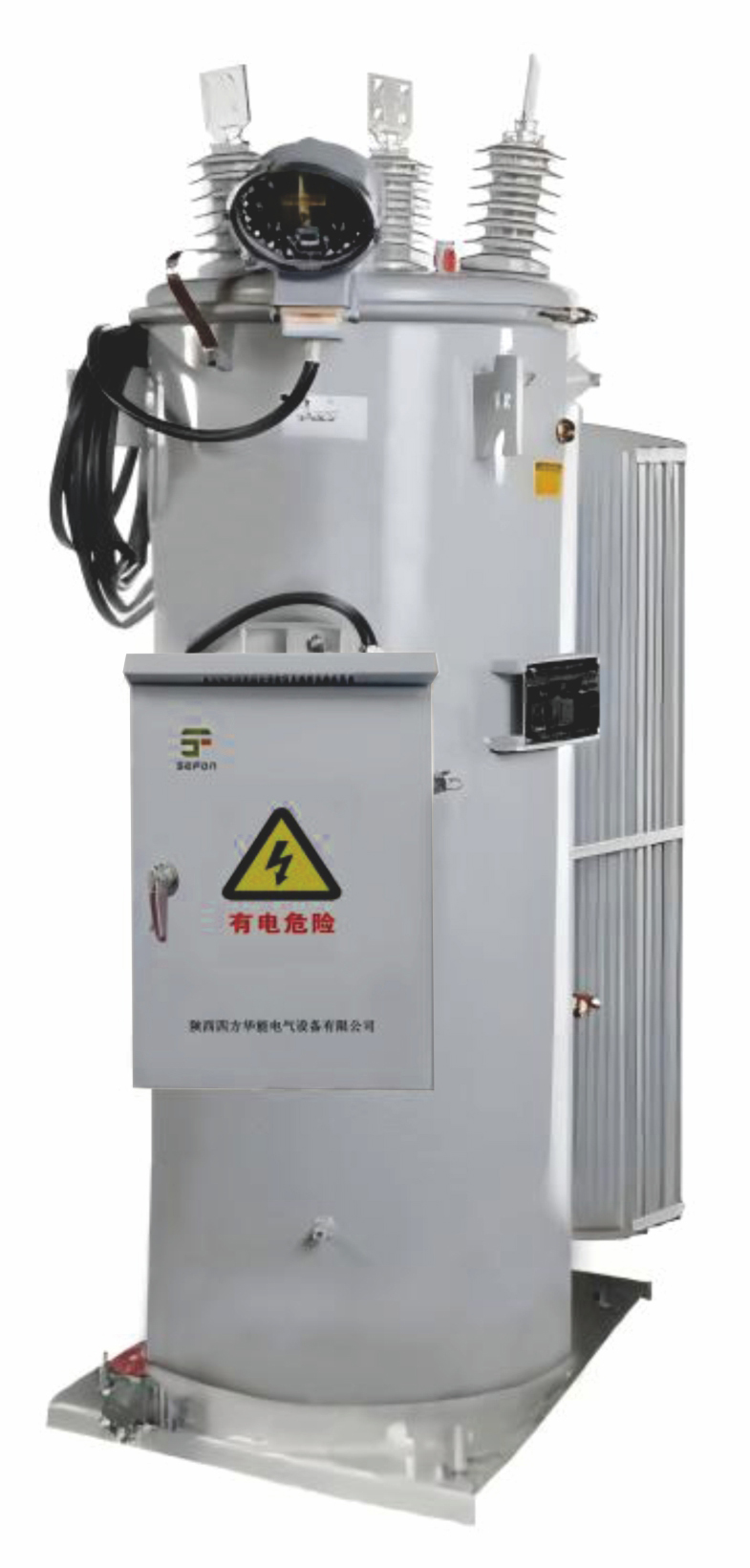
Single-Phase Automatic Voltage Regulator(AVR)
Shaanxi Sefon Electrical Equipment Co.,Ltd.
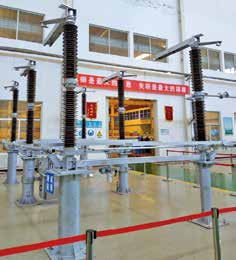
GW4-40.5/72.5/126/145/170/252/363/420 Series Double-column Horizontal Rotary High-voltage AC Disconnect Switch
SHANDONG TAIKAI DISCONNECTORS CO., LTD.