Compliance and Aftermarket Services Are Expanding the Emission Control Industry
en.Wedoany.com Reported - The market value of Vehicle Emission Control is expanding beyond new-vehicle compliance. It now includes in-use vehicle supervision, aftermarket maintenance, inspection equipment, remote monitoring and fleet emission management.
As emission standards become more demanding, passing a laboratory test is no longer the only concern. Regulators and fleet operators are paying closer attention to real-driving emissions, long-term durability, post-repair emission performance and the monitoring of critical component failure. This shift is changing the role of emission control suppliers in the automotive value chain.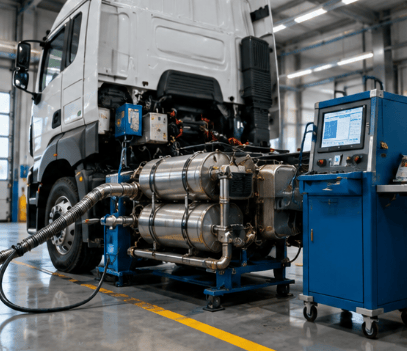
For new vehicles, exhaust aftertreatment must be developed together with the vehicle platform. Engine type, exhaust layout, catalyst position, DPF capacity, SCR system design, urea tank location, sensor configuration and control strategy all influence whether a vehicle can meet emission requirements. For automakers, emission control is not a late-stage add-on. It is part of powertrain and vehicle architecture design.
For vehicles already in operation, the market is more fragmented but more continuous. Commercial vehicles, diesel trucks, buses, construction machinery and older fleets often face stronger regulatory pressure. During long-term operation, aftertreatment systems may experience catalyst aging, DPF blockage, urea crystallization, sensor failure, pipe leakage or illegal removal. These problems can affect environmental compliance, engine performance, fuel consumption and vehicle availability.
This creates demand for inspection, repair, replacement and intelligent supervision. Workshops, testing stations, fleet operators and local regulators all need more reliable tools to identify emission failures and manage maintenance records. Remote monitoring and data platforms can help move the industry from passive repair to preventive management.
Overseas markets also present different opportunities. Mature markets such as Europe, North America and Japan have higher requirements for certification, durability and regulatory compliance. Emerging markets in Southeast Asia, Latin America, the Middle East and Africa may see demand from commercial vehicle upgrades, diesel aftertreatment retrofits, inspection station equipment and fleet emission management. Fuel quality, vehicle structure, regulation intensity and service networks vary widely across regions, so local adaptation is essential.
The vehicle emission control industry is therefore no longer limited to catalysts and filter elements. It includes precious metal materials, ceramic substrates, coating processes, sensors, urea dosing, control algorithms, onboard diagnostics, inspection instruments, repair services and data platforms. Suppliers that combine hardware, software, testing and service will be better able to move from one-time product sales to long-term operational value.
Related Products

714CD Series C-Band Weather Radar
Chengdu Zhongdian Jinjiang Information Industry Co., Ltd.

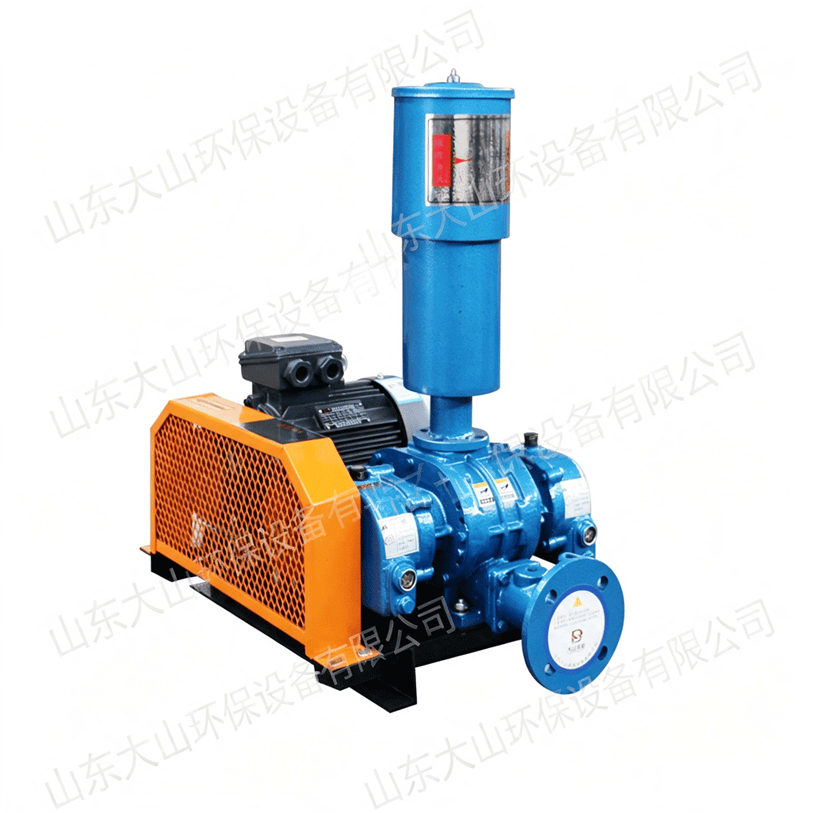
Roots Blower Aquaculture Bottom Aerator Microporous Aeration Tube Compatible Three-Lobe High Pressure Energy-Saving Oxygenation
Shandong Dashan Environmental Protection Equipment Co., Ltd.
Forest and Grassland Heat Source Infrared Monitor
China Huayun Meteorological Technology Group Co., Ltd.
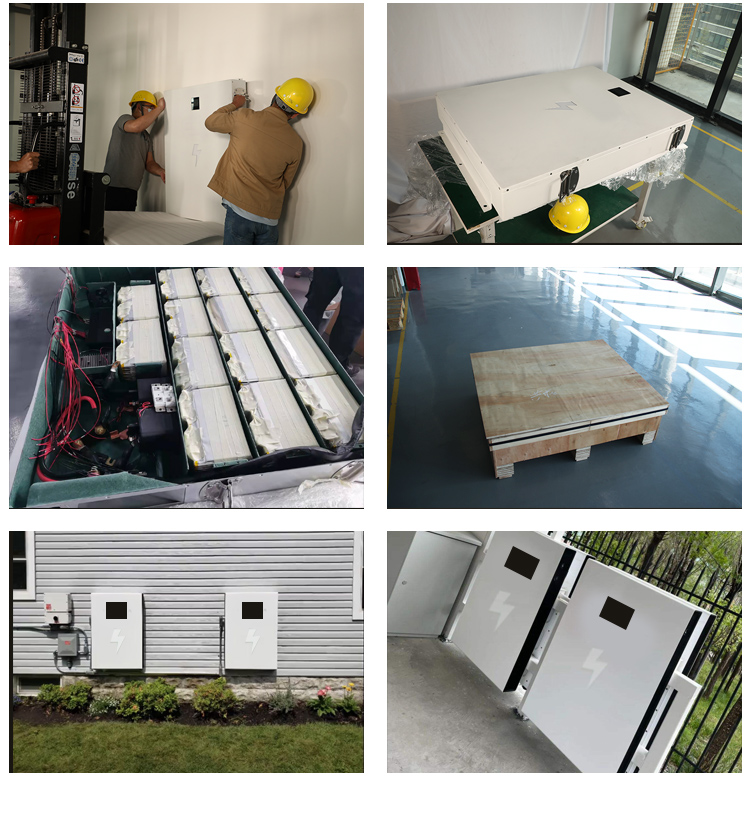
Safe, efficient, intelligent energy storage, creating smart homes and making life more convenient# Home Energy Storage # Supercapacitors # Energy Storage # Wall Mounted # Safe Electricity Use
Gonghe Power Co.,LTD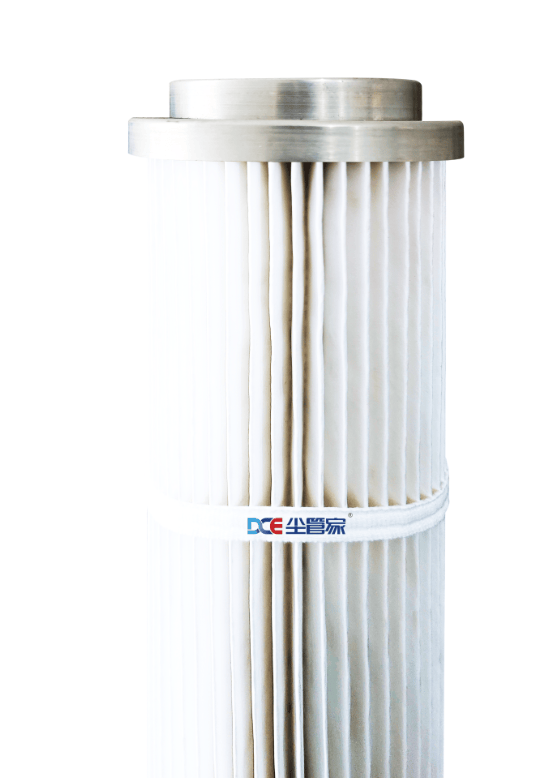
DCE High-Efficiency Energy-Saving Filter Cartridge
Zhejiang Hongsheng New Material Technology Group Co., Ltd.