US Plans 74 Methane Power Plants for AI Data Centers, Emitting 662 Million Tons Annually
en.Wedoany.com Reported - The Environmental Integrity Project released a report this month stating that the United States plans to build or expand 74 methane power plants specifically to power rapidly growing artificial intelligence data centers. According to data from Oil & Gas Watch, these new plants are expected to emit 662 million tons of greenhouse gases annually, equivalent to the yearly emissions of 140 million conventional cars and trucks.
The report notes that by 2035, data center electricity demand could reach 106 gigawatts, 36% higher than the outlook from seven months ago. One gigawatt of capacity can meet the electricity needs of approximately 750,000 households.
Oil & Gas Watch data also shows that the new power plants will release about 160,000 tons of other air pollutants annually, including over 44,000 tons of nitrogen oxides and nearly 33,000 tons of fine particulate matter. The Environmental Integrity Project added that this emission estimate does not include additional pollution from new pipelines, processing plants, and storage facilities built to supply methane. In 2024, S&P Global estimated that by 2030, the additional electricity demand from data centers could increase natural gas demand by up to 6 billion cubic feet per day, requiring more natural gas pipelines, processing plants, and storage facilities, further raising total emissions.
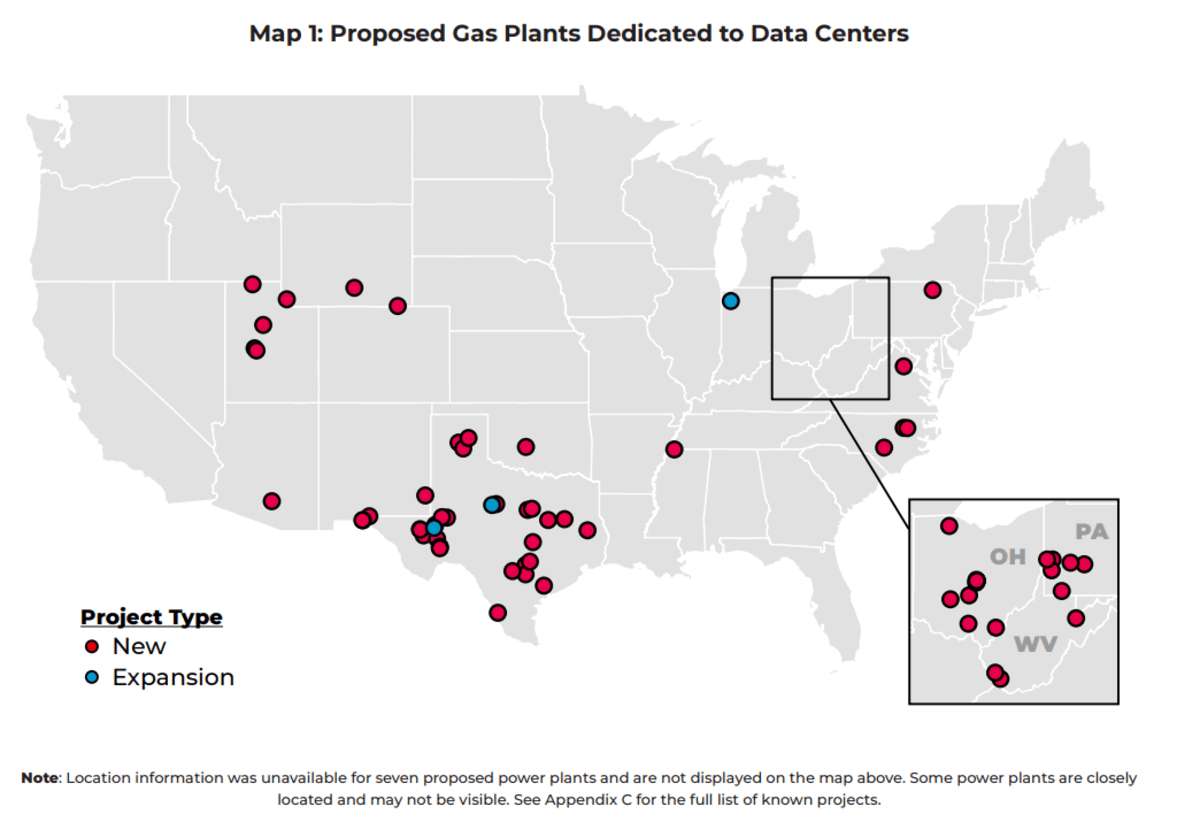
These power plants are "behind-the-meter" facilities, designed not to compete directly with residential and commercial users for grid capacity. However, Oil & Gas Watch explains that these plants compete with utilities and other industrial users for the same natural gas and power generation equipment, driving up prices for all users.
Greenhouse gas emissions from tech giants have risen significantly due to data center expansion. Bloomberg reports that Amazon's 2025 emissions increased by 16% compared to 2024, reaching approximately 81 million metric tons of CO2 equivalent, roughly equal to the annual emissions of 19 million gasoline-powered vehicles. The company's report shows that the growth is mainly driven by data center construction and transportation fuel.
Google's 2025 emissions increased by 18%, with its own operational Scope 1 emissions (excluding purchased electricity) rising 20% from 2024, partly due to increased investment in data centers. Google's electricity consumption grew by 37% last year, although its Scope 2 emissions from purchasing clean energy decreased slightly. Amazon's emissions from purchased electricity increased by 34%.
Microsoft has committed to matching 100% of its hourly electricity consumption by 2030 through purchasing zero-carbon energy, but is considering scaling back this commitment due to data center expansion. Microsoft and Meta recently reported emission increases of 23% and 64%, respectively. Meta has set a target of achieving net-zero emissions across its entire value chain by 2030.
In its latest report, Google stated that its Scope 3 (supply chain) emissions increased by 25% compared to 2024, primarily due to hardware manufacturing and data center construction. Sasha Luccioni, co-founder of the Sustainable AI Group, said emissions should not be growing, but data centers are moving in the opposite direction.
Google's report notes that the net-zero path will be "non-linear," "as AI infrastructure construction is currently accelerating at a pace that exceeds the rate of grid decarbonization." Amazon's Chief Sustainability Officer, Kara Hurst, stated that the speed and scale of AI adoption are unique, "with changes happening faster and broader than anything we have encountered in our lifetimes."
This spring, activist investors demanded that Amazon, Alphabet, and Meta explain how they reconcile the surging electricity demand from AI with their climate commitments, but none of the proposals received majority support.
Related Products


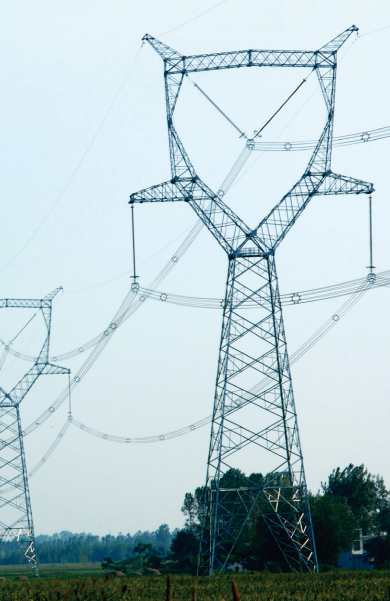
1000kV Jin Southeast-Nanyang-Jingmen UHV AC Transmission and Transformation Pilot Demonstration Project
Anhui Hongyuan Steel Tower Co., Ltd.
CAP1400 main feedwater flow nozzle flowmeter.
Jiangsu Hongda Instrument Technology Co., LTD.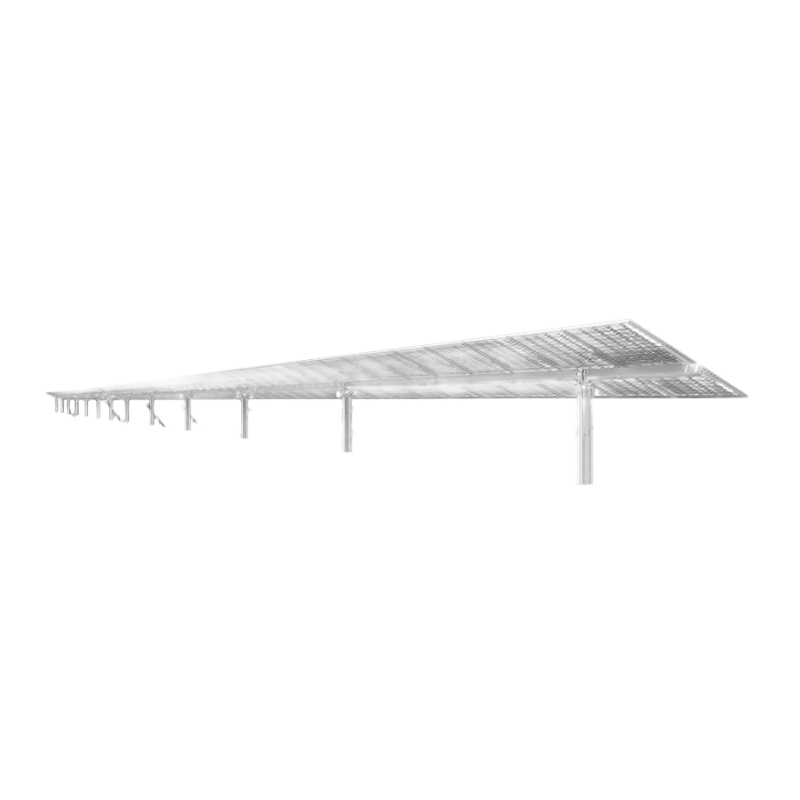
TAI Slew-drive Single-axis Independent 1P Tracking Bracket System
ANTAI TECHNOLOGY CO., LTD.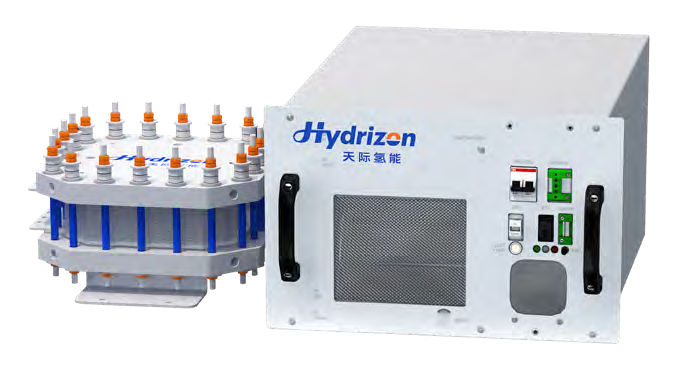
HI-Pro Green Hydrogen High-efficiency Production System-HI-PRO-AEM
Hydrizon Technology (Beijing) Co., Ltd.

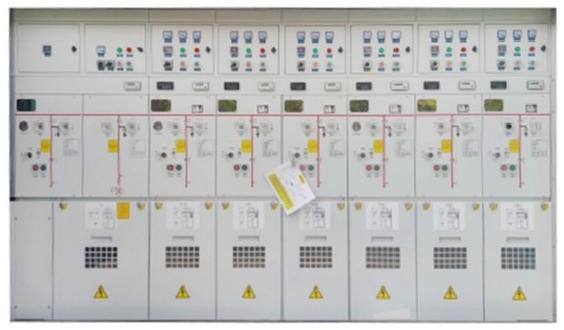
NISELA Series Environmentally Friendly Gas-Insulated Ring Main Unit
XJ DELISHIER ELECTRIC CO., LTD.