Offshore construction completed at Peru's Petroperú terminal, capable of berthing 150,000 DWT tankers
en.Wedoany.com Reported - Petroperú, the Peruvian state-owned oil company, announced the completion of all offshore construction for the Terminal Multiboyas II – Refinería Talara (Multi-Buoy Terminal II – Talara Refinery). The project is divided into offshore and onshore components, aimed at expanding infrastructure for receiving crude oil and transporting residues. The onshore portion is still underway.
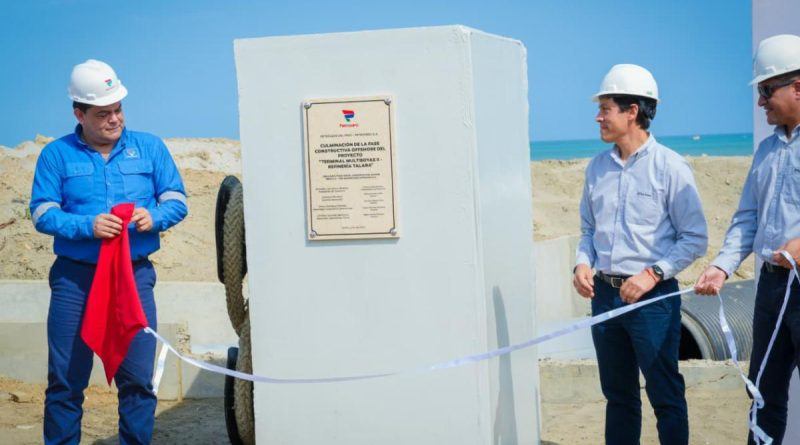
The ceremony marking the completion of the offshore phase was held at the Talara Refinery. Attendees included Petroperú Board Chairman Edmundo Lizarzaburu Bolaños, board members, General Manager Gustavo Villa Mora, local authorities, and representatives from the PSAMPO-PSAMP joint venture, the executor of the offshore works.
The project plans to build a new multi-buoy terminal, equipped with all necessary facilities for receiving crude oil and transporting residues. The work consists of two parts: the offshore component covers all construction activities in the water, while the onshore component involves ground-level facilities on the refinery side, together forming a new transfer system connecting vessels to the refinery.
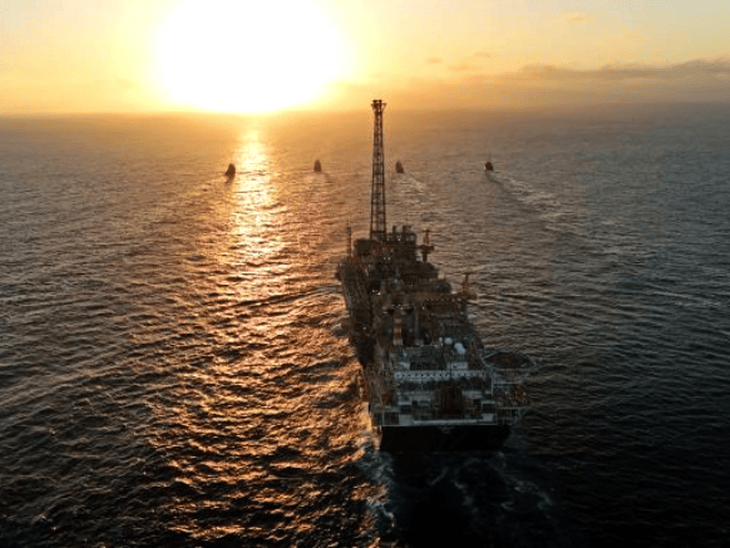
Once the new offshore infrastructure is operational, the service capacity of Terminal Multiboyas II will be upgraded from accommodating only small vessels to berthing ships of approximately 150,000 deadweight tons (DWT), namely Aframax and Suezmax tankers that carry large volumes of crude oil. This means the Talara Refinery will be able to receive up to 1 million barrels of crude oil, enabling safe and efficient transfer from large tankers and further enhancing the reliability of crude oil supply.
The terminal has obtained the main authorizations required for construction, including water use rights, port permits, technical and water area feasibility approvals, an archaeological monitoring plan, design manuals, construction permits, and a methodology-approved maneuvering study report. While the onshore portion continues, Petroperú is processing the final operating permits to ensure the smooth commissioning of this infrastructure in the future.
Related Products

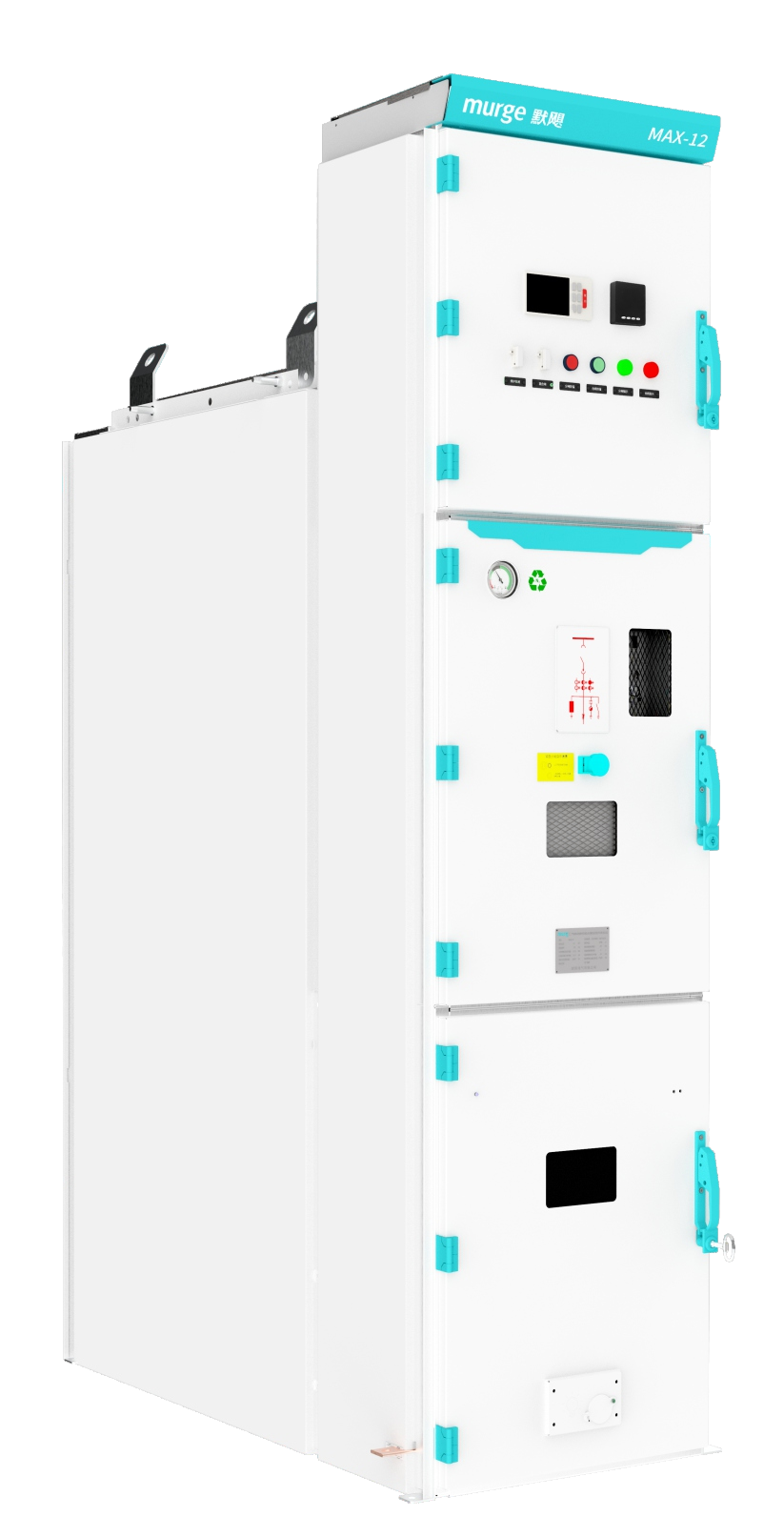
MAX-12 series Environmental Protection/SF6 gas insulated switchgear (C-GIS)
Murge Electric Co.,Ltd.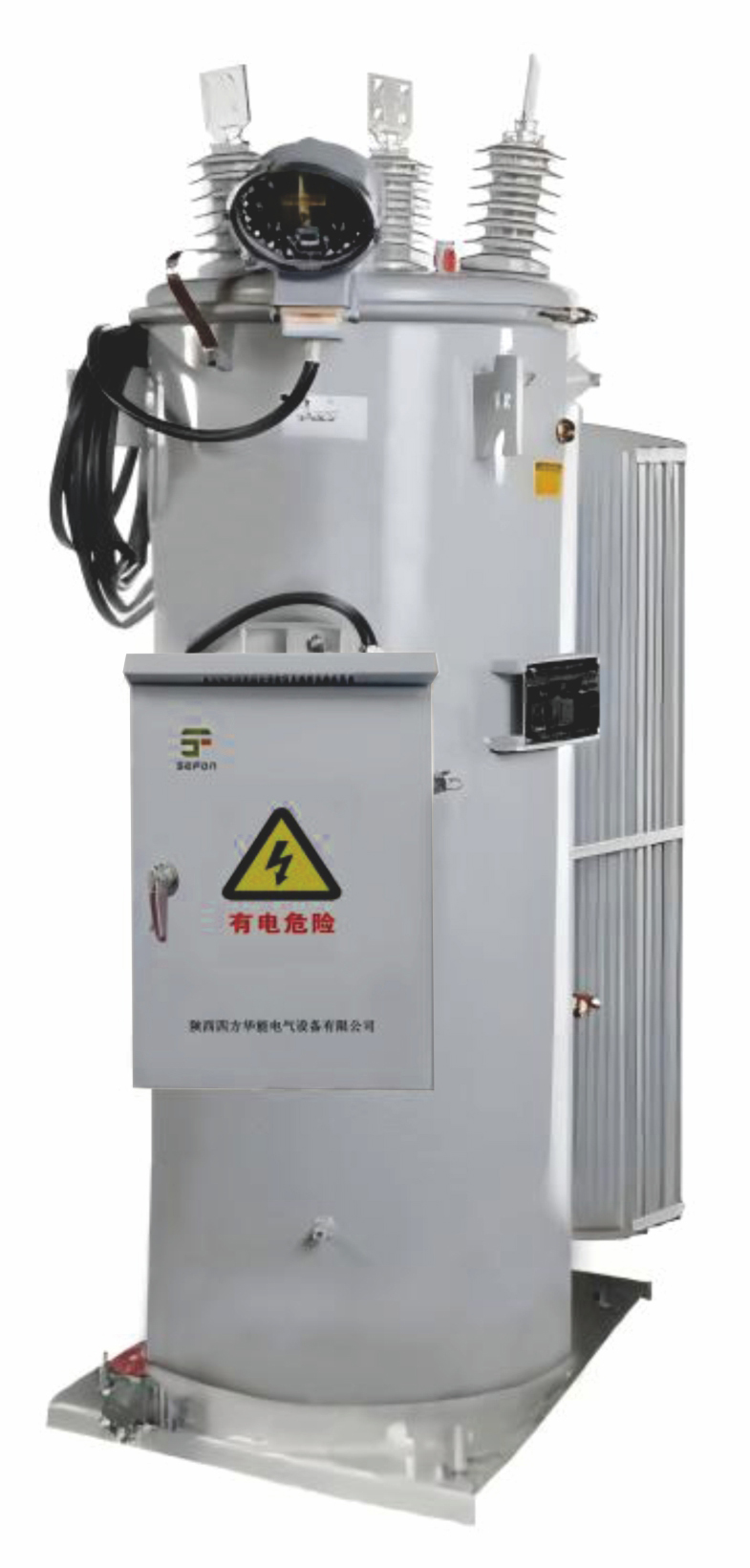
Single-Phase Automatic Voltage Regulator(AVR)
Shaanxi Sefon Electrical Equipment Co.,Ltd.

Environmentally Friendly Flame-retardant PVC Double-layer Insulated Wire
Sichuan Chndo Cable Co., Ltd.
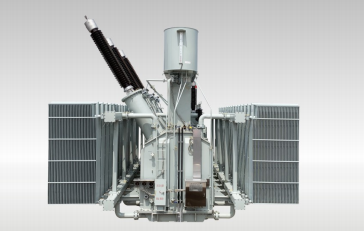
220kV and Below Voltage Level Energy-saving Oil-immersed Power Transformers
FuZhou TianYu Electric Co., Ltd.