EEMDL Lab in the US Develops Methane Emission Model Integrating Multi-Scale Measurements
en.Wedoany.com Reported - The Energy Emissions Modeling and Data Lab (EEMDL), a collaboration between the University of Texas at Austin, Colorado State University, and the Colorado School of Mines, is dedicated to developing transparent models and public datasets to support more accurate greenhouse gas accounting for the global oil and gas supply chain. The lab is part of the Center for Energy and Environmental Systems Analysis (CEESA) at the University of Texas at Austin, which brings together faculty, postdoctoral researchers, students, and staff working on methane emissions, hydrogen energy, carbon removal, and low-carbon energy pathways. EEMDL is one of CEESA's key projects.

Ravikumar noted that a core challenge in methane research is the gap between measured emissions and official inventory estimates. This discrepancy arises because traditional inventories rely on outdated emission factors and struggle to capture large, intermittent super-emitter events. Methane measurement technologies are rapidly advancing, with continuous monitors, drones, vehicles, aircraft, and satellites generating vast amounts of observational data. The challenge has shifted from a lack of data to interpreting these measurements.
Methane is critical for industry and climate stakeholders due to its close ties to business, regulation, operations, and energy affordability. For U.S. liquefied natural gas (LNG) exporters, European demand for low-carbon supply chains makes methane performance directly linked to market access. If methane intensity standards are imposed on LNG imports, emission reduction pressures will extend to upstream producers, pipeline operators, and the entire natural gas supply chain. Methane abatement retains valuable natural gas in the energy system and remains one of the most cost-effective and feasible greenhouse gas reduction strategies in the current oil and gas sector.
In terms of measurement methods, the distinction between top-down and bottom-up approaches is not absolute. Bottom-up measurements provide source-specific information, identifying emissions from individual components or equipment, but are often time-consuming and limited in coverage. Top-down measurements cover larger areas more quickly but offer less detail on specific emission sources. Ravikumar emphasized that methane measurements should be viewed as a multi-scale system encompassing source-level, site-level, facility-level, and regional-level observations. Integrating data from satellites, aircraft, drones, ground-based systems, and continuous monitors is essential for a more comprehensive understanding of methane emissions.
A credible measurement-based methane inventory should integrate operational data, source-specific inventories or emission factors, and measurement results from various technologies in a scientifically defensible manner. For voluntary reporting frameworks such as the Oil and Gas Methane Partnership, companies need to combine measurement data with source-specific inventories to improve methane emission reporting. Inventories at the operator, asset, or facility level should interpret measurement results alongside operational knowledge and source-level information.
One of EEMDL's most notable current efforts is integrating methane measurement data with operational information. By collaborating with operators to develop harmonized approaches, the lab combines measurements, operational knowledge, and source-specific data into the most usable inventories across different spatial scales. This approach does not favor any single measurement technology but focuses on understanding the information each technology provides and how to leverage it to improve emission inventories. By bringing together measurement scientists, data analysts, inventory developers, and operators, multiple lines of evidence are synthesized into a coherent picture of methane emissions.
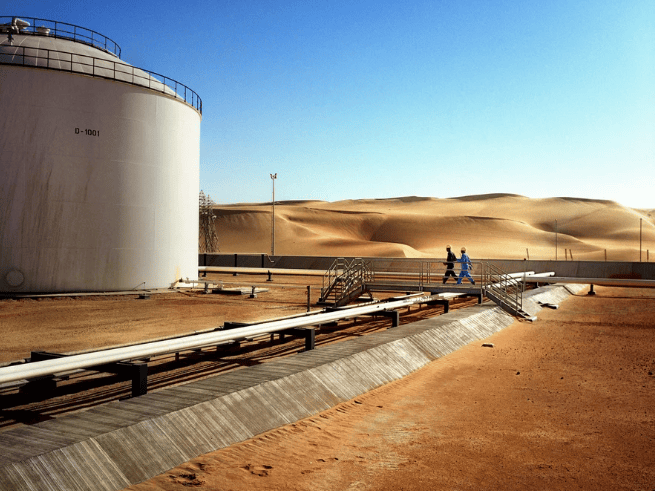
In practice, when developing methane emission inventories for uncontrolled storage tanks, aerial measurements alone cannot determine the frequency or duration of emissions. EEMDL combines aerial measurements with engineering-based calculations, continuous monitoring data, and operator contextual information. Continuous monitors help characterize the frequency and duration of flashing events, while aerial measurements provide emission rate information. Integrating these data streams results in more accurate tank emission inventories.
Ravikumar envisions success as connecting satellites, aerial measurements, continuous monitors, operational data, and inventories into a single methane intelligence platform, helping stakeholders understand emissions across different spatial and temporal scales. This shifts methane management from reactive to predictive and proactive emission reduction. Artificial intelligence and machine learning can help predict when and where emissions occur, enabling early warnings and predictive maintenance. Over the next five years, methane abatement is becoming central to the future of natural gas. Policies may shift from command-and-control rules to more flexible, performance-based frameworks, leveraging better measurement and analysis to achieve more cost-effective emission reduction targets.
Related Products
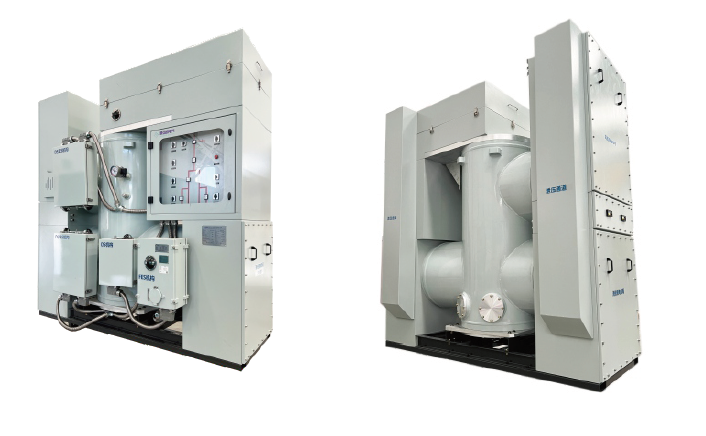

72.5kV 1250A 31.5kA SF6 free Gas-insulated Metal-enclosed Switchgear
Zhejiang Juhonkia Intelligent Electric Co., Ltd.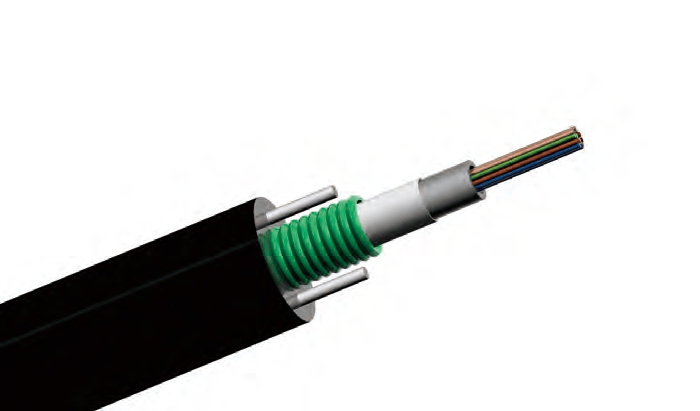
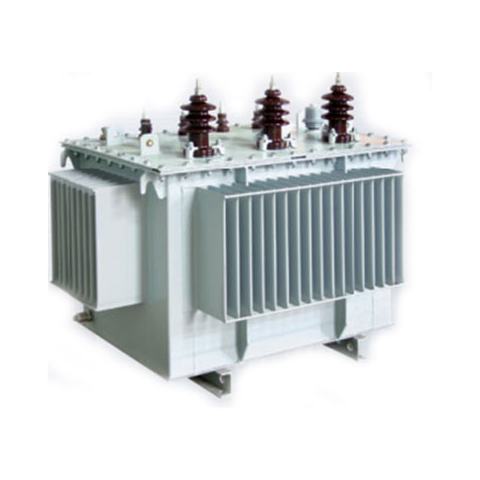
0.66kV Power Supply Instrument Transformer
Guangdong Sihui Instrument Transformer Works Co., Ltd.
Forest and Grassland Heat Source Infrared Monitor
China Huayun Meteorological Technology Group Co., Ltd.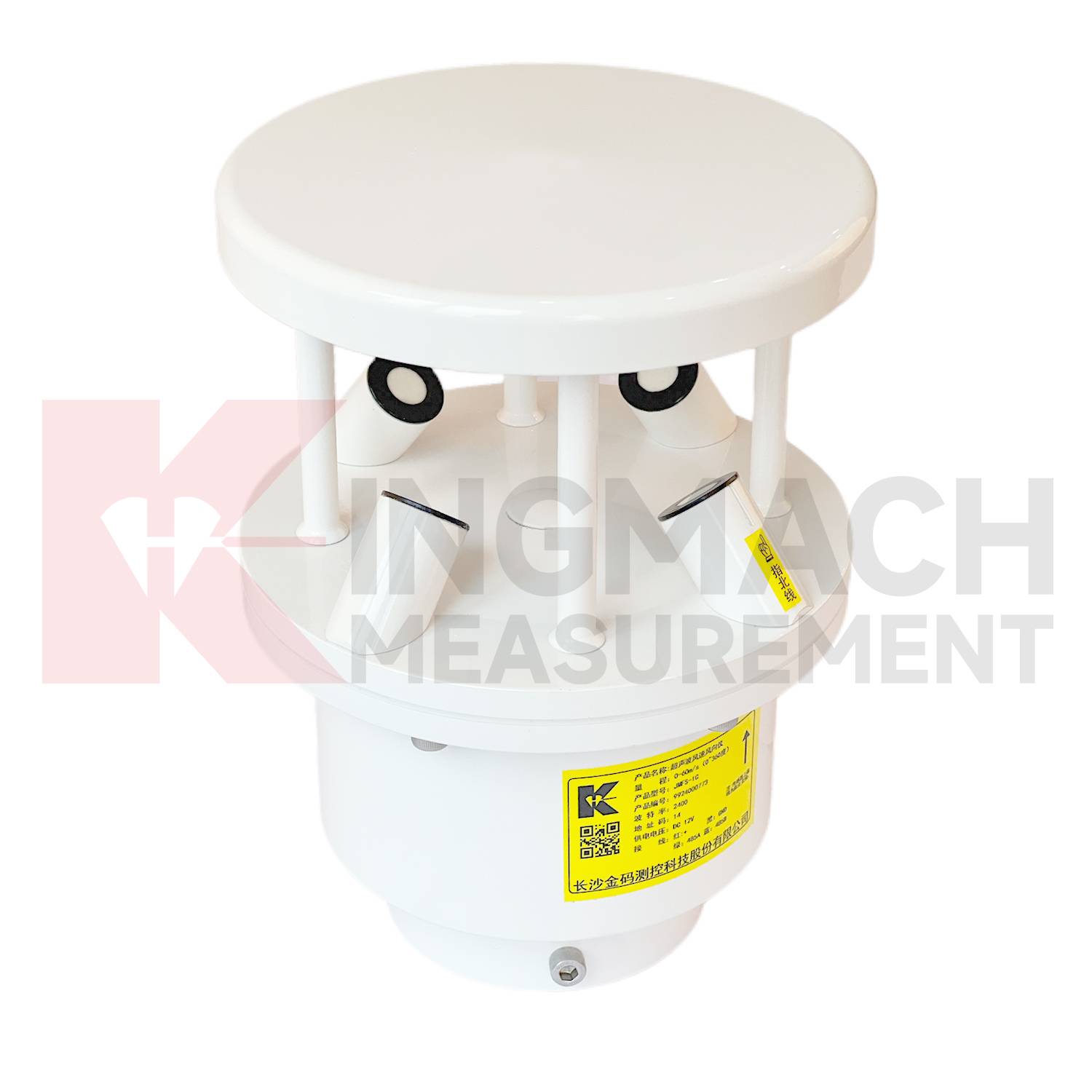
Ultrasonic Wind Speed and Direction Instrument
Kingmach Measurement & Monitoring Technology Co., Ltd.
714CD Series C-Band Weather Radar
Chengdu Zhongdian Jinjiang Information Industry Co., Ltd.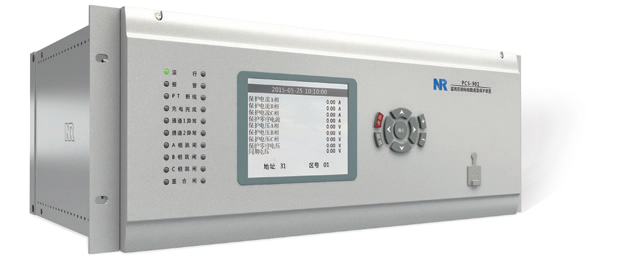
PCS-901 Series Ultra (Extra) High-voltage Transmission Line Complete Protection Device
Nanjing NR Electric Co., Ltd.