Mexico Attracts Over $2 Billion in Electric Vehicle Investments in First Half of 2026
en.Wedoany.com Reported - In the first half of 2026, Mexico attracted over $2 billion in investments in the electric mobility sector, reflecting the continued expansion of the country's electric vehicle (EV) value chain, despite a slowdown in battery electric vehicle (BEV) production growth. New investment areas cover EV assembly, batteries, high-voltage wiring harnesses, automotive electronics, hybrid powertrains, thermal management, semiconductors, electric motors, and charging infrastructure.

According to the "2026 Electric Mobility Map" published by Cluster Industrial B2B, at least 27 investment announcements, factory expansions, production launches, and operational startups disclosed specific amounts between January and June.
Alongside active investments, EV adoption in Mexico is accelerating. In the first quarter of 2026, 60,402 electrified vehicles were sold in Mexico, accounting for 12.1% of total light vehicle sales, up from 9.6% in the same period of 2025. BEV sales saw the strongest growth, with a year-over-year increase of 71%. By the end of the quarter, cumulative sales of BEVs, plug-in hybrid electric vehicles (PHEVs), and extended-range electric vehicles (EREVs) had reached 235,501 units.
Martín Pustilnick, co-founder and CEO of MUNDI, believes that electric mobility is not a threat to Mexico's automotive industry but the biggest opportunity in decades. He noted that Mexico already possesses the manufacturing base, geographic advantages, and talent needed to become North America's electrification hub. However, suppliers still need to invest in global certifications, new capabilities, and advanced production processes, while navigating an operating environment where payment cycles can extend up to 180 days and financing options are limited.
Kia Mexico was the recipient of the largest single investment in the first half of the year, committing $600 million to expand its manufacturing complex in Pesqueria, Nuevo León, adding an EV assembly line. This project further solidifies Nuevo León's position as Mexico's leading electric mobility hub. In the first quarter of 2026, the state secured $186.5 million in investments across 12 automotive projects, demonstrating strong growth momentum. Beyond Kia, areas such as Apodaca, Juarez, and Monterrey in the state have also attracted continued investments from multiple Korean, Chinese, and other international suppliers, focusing on automotive electronics, hybrid powertrains, electrification components, and thermal management technologies.
In the first half of 2026, charging infrastructure gained significantly in importance within Mexico's electric mobility ecosystem. Cluster Industrial data shows that Invisible Urban Charging/ATX invested $500 million to install 38 charging stations in Mexico City, the State of Mexico, and the Bajio region. As of the end of the first quarter of 2026, Mexico had 59,602 charging points, including 4,378 public charging points and over 55,000 private charging units. A consumer survey by the Electric Mobility Association (EMA) found that 26% of respondents cited limited fast-charging stations as the main reason for delaying EV purchases. EMA Chairman Eugenio Grandio stated that consumer concerns about charging speed, vehicle efficiency, and range anxiety are major barriers, while a mutually reinforcing relationship exists between vehicle adoption and infrastructure deployment.
In the latest investment cycle, several major projects reflect the increasing specialization of Mexico's automotive supply chain. These include: DH Autoware investing $167 million to produce automotive electronics system motherboards in Apodaca, Nuevo León; LS Cable & System investing $156.8 million to produce automotive cables and high-voltage wiring harnesses for EVs in Corregidora, Querétaro; LT Precision investing $143 million to manufacture EV battery components in Mexicali, Baja California; and Hyundai Mobis investing $57.6 million in Pesqueria, Nuevo León, focusing on autonomous driving systems, semiconductors, and vehicle electrification components.
Investment activities in 2026 are distributed across traditional manufacturing regions including Nuevo León, Guanajuato, Querétaro, Coahuila, State of Mexico, Baja California, Sonora, Durango, and Aguascalientes. While Nuevo León leads in electric mobility investments, the Bajio region continues to attract projects in automotive parts, electronics, thermal management systems, and charging infrastructure. In terms of sales, Mexico City and the State of Mexico account for 54% of national electrified vehicle sales, followed by Nuevo León, Jalisco, and Guanajuato.
Related Products

Strip Coating and Plating Production Line Equipment
MCC-SFRE HEAVY INDUSTRY EQUIPMENT CO., LTD.
CAP1400 main feedwater flow nozzle flowmeter.
Jiangsu Hongda Instrument Technology Co., LTD.
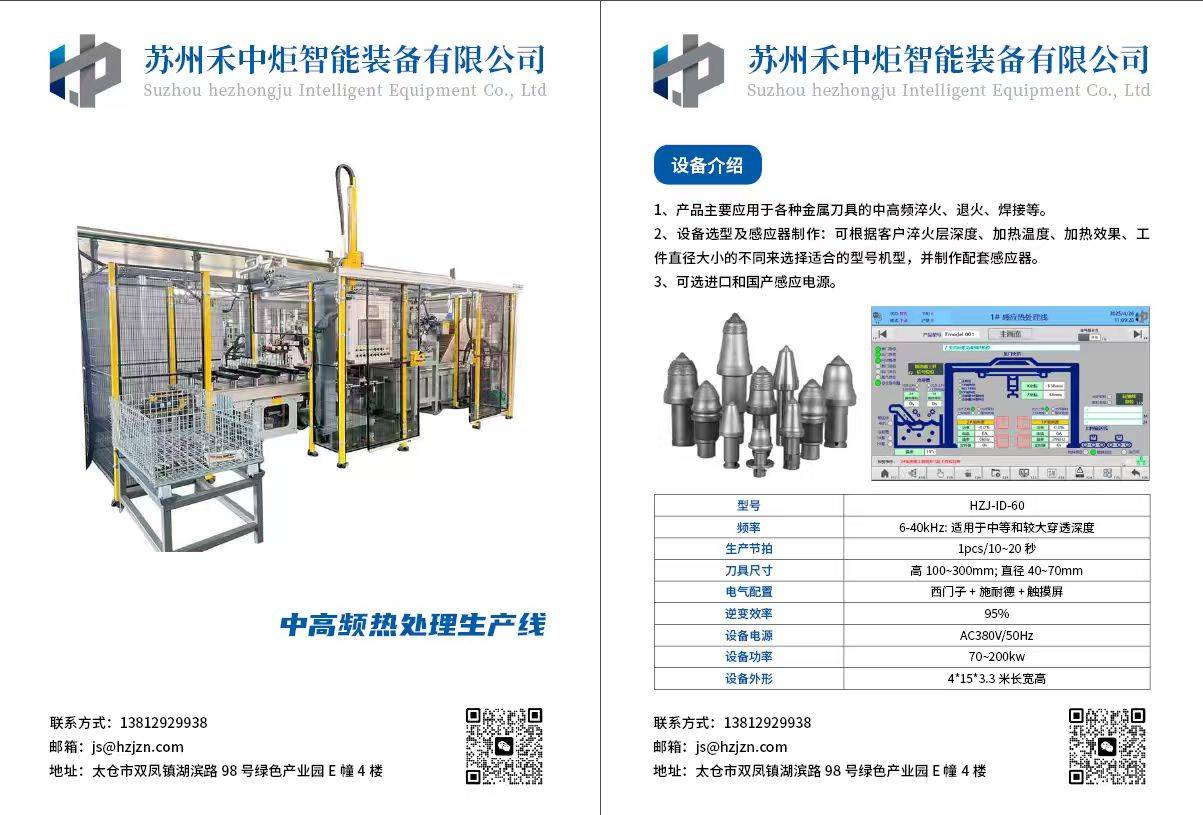
Excavator Bucket Teeth Heat Treatment Production Line
Suzhou Hezhongju Intelligent Equipment Co., Ltd.
Standard Nozzle Flowmeter
Jinggong Automatic Control Instrument Complete Technology Development Company
Pneumatic high-pressure wear-resistant ball valve
Zhejiang Deca Control Valve Meter Co., Ltd.