Liuzhou Huitong in China Introduces SHINING 3D Scanning to Reduce Sheet Metal Inspection Costs
en.Wedoany.com Reported - Liuzhou Huitong Auto Parts Co., Ltd. in China has introduced SHINING 3D scanning equipment to replace some traditional inspection fixtures in the quality inspection of sheet metal parts. The company, a subsidiary of Huitong Holding Group and a first-tier supplier to SAIC-GM-Wuling, primarily produces automotive body stampings, welding assemblies, sheet metal parts, and trim components.
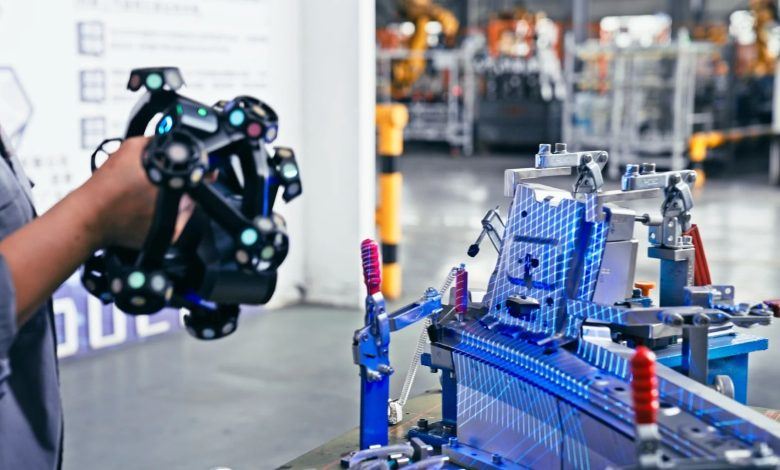
Sheet metal parts are characterized by thin walls, susceptibility to deformation, and diverse shapes. Key indicators in inspection include hole position accuracy, trimming quality, and the match between finished products and design dimensions. Traditional manual inspection requires custom fixtures tailored to the geometry of each part, used in conjunction with clamps, gauges, and inspection pins. According to SHINING 3D, such fixtures are costly, have long production lead times, and cannot be reused across different product lines due to their specificity to a single part number.
Huitong has adopted non-contact optical scanning technology to capture a complete digital model of each stamped part, enabling one-time inspection of hole positions, edges, dimensions, and tolerances without relying on matching fixtures. Parts can be secured using simple brackets or clamps, eliminating the need for custom replicas. According to SHINING 3D, a single scanning setup can switch between different part numbers by simply changing the fixing fixture. This approach reduces tooling costs, shortens preparation time for each inspection, and drives the transition of quality inspection toward digital processes.
The scanning system used by Huitong is the SHINING 3D FreeScan Trak Nova, which features a detachable wireless unit suitable for large-scale measurement scenarios. It integrates a portable tracking module and built-in video photogrammetry (VPG) functionality to maintain measurement accuracy on large parts. Launched last year, the FreeScan Trak Nova serves large-scale scanning and high-precision quality control, streamlining complex workflows.
Related Products
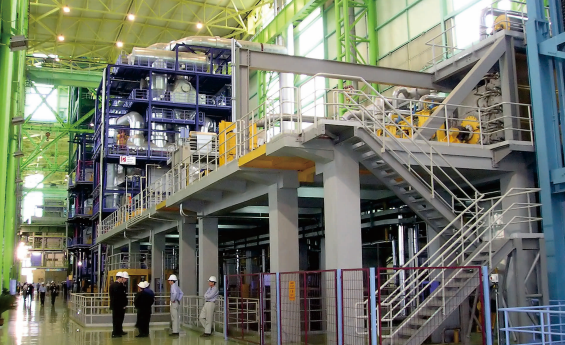

Strip Coating and Plating Production Line Equipment
MCC-SFRE HEAVY INDUSTRY EQUIPMENT CO., LTD.
CAP1400 main feedwater flow nozzle flowmeter.
Jiangsu Hongda Instrument Technology Co., LTD.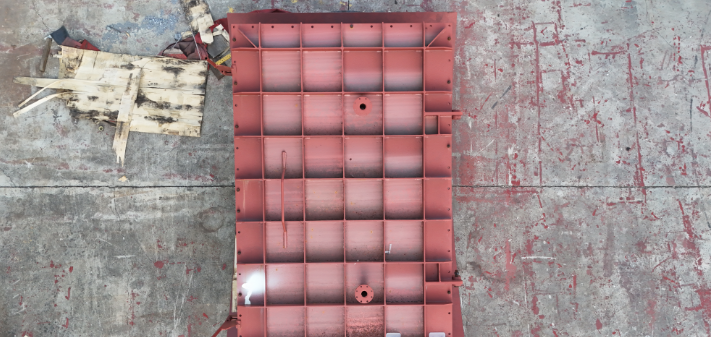

Industrial and Commercial Point-Type Gas Detector
Jinan Benan Technology Development Co., Ltd.
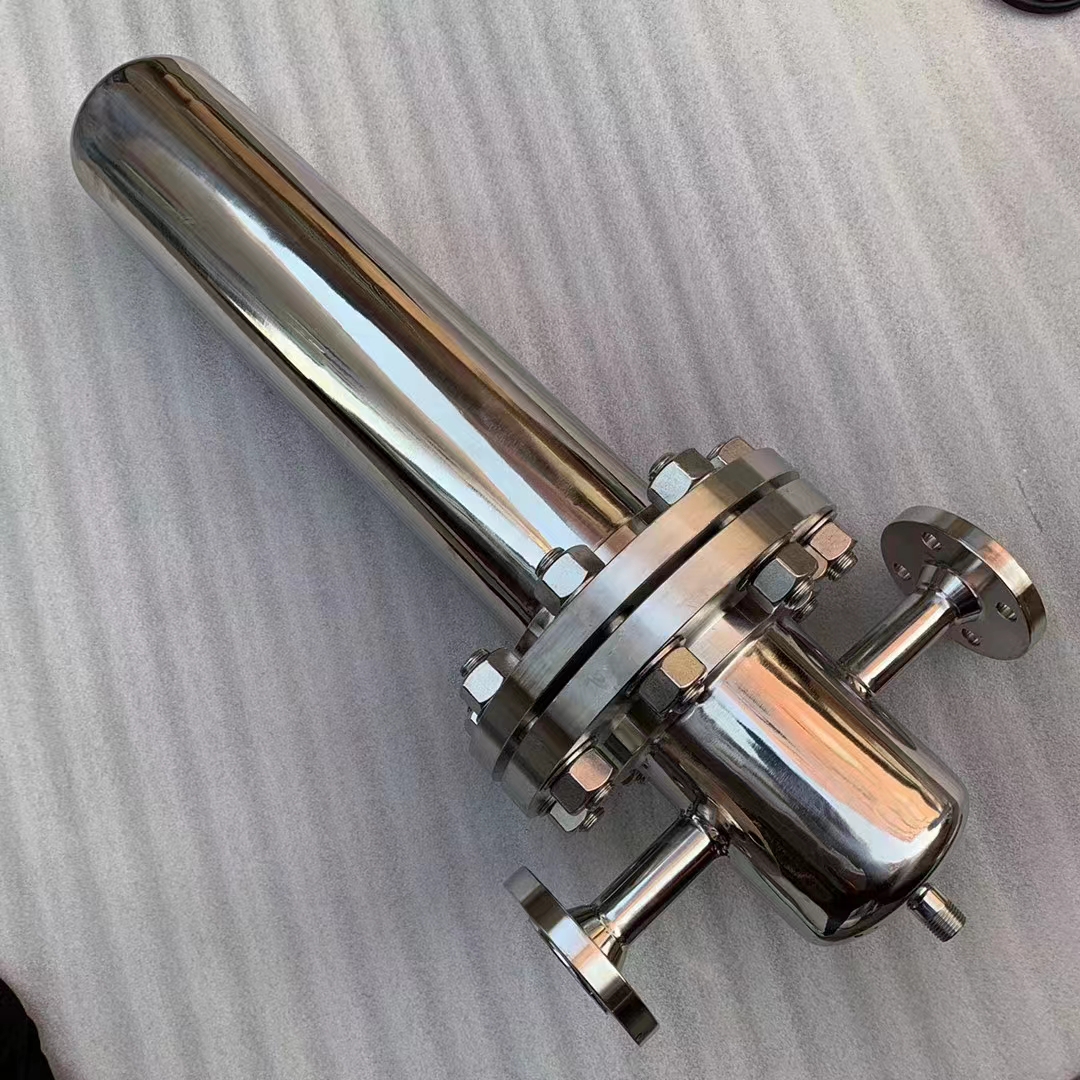

Standard Nozzle Flowmeter
Jinggong Automatic Control Instrument Complete Technology Development Company