China's Intelligent Vehicles, Embodied Robots, and Low-Altitude Economy Accelerate Integrated Development
en.Wedoany.com Reported - As the intelligent vehicle industry chain matures and market competition intensifies, a number of companies have begun to cross-sector expand into embodied robots and the low-altitude economy, treating these as their second growth curve. The three major industries are highly interconnected in terms of technology, supply chains, and application scenarios, and hold great potential for coordinated development. They are transitioning from independent growth to integrated industrial chains, forming an ecosystem of "converged intelligent industries" that drives China's intelligent industries to break through growth bottlenecks.
At the foundational technology level, all three industries are rooted in core technology systems such as artificial intelligence, autonomous driving, perception and sensing, power batteries, and high-precision positioning. The vehicle control algorithms, environmental perception models, automotive-grade computing chips, and in-vehicle operating systems accumulated in the intelligent vehicle sector can be rapidly migrated and reused in embodied robots and low-altitude aircraft. The mature end-to-end AI algorithms and multi-sensor fusion solutions developed by automakers, after adaptation and optimization, can support humanoid robots' autonomous walking and precise manipulation, as well as the autonomous takeoff and landing, route planning, and obstacle avoidance flight of low-altitude drones and flying cars. Conversely, the physical interaction and fine manipulation technologies of embodied intelligence can upgrade intelligent cockpits, automated parking, and in-vehicle service interaction functions, while the spatial perception and all-domain positioning technologies of the low-altitude economy enhance the three-dimensional perception system of intelligent driving. Together, these drive bidirectional technological empowerment and iterative upgrading.
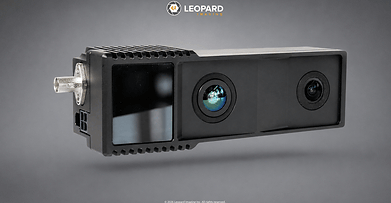
Supply chain synergy and interoperability are the core support for the integrated development of the three industries. They share China's new energy supply chain, intelligent hardware supply chain, and high-end manufacturing system, with core components such as batteries, motors, electronic control units, LiDAR, cameras, and computing platforms all being universally compatible. Leading companies in the industry have established mature reuse models, leveraging the chip architectures and computing platforms refined through mass production of intelligent vehicles to iteratively develop specialized intelligent platforms for robots and low-altitude equipment. By relying on the mass-production supply chains built around tens of millions of vehicles, they compress the development cycle and production costs of new products. The industry pain points that were previously constrained by the limited market scale of a single track and excessively high R&D investment have been effectively resolved under the industrial integration model. Idle production capacity and technological resources have been fully revitalized, forming an efficient industrial pattern of "one supply chain, multiple application scenarios," continuously amplifying China's advantages in large-scale manufacturing and low costs.
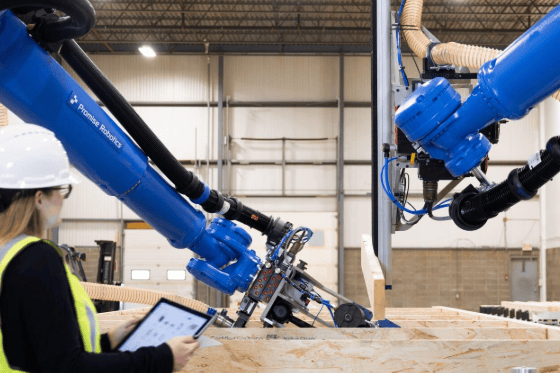
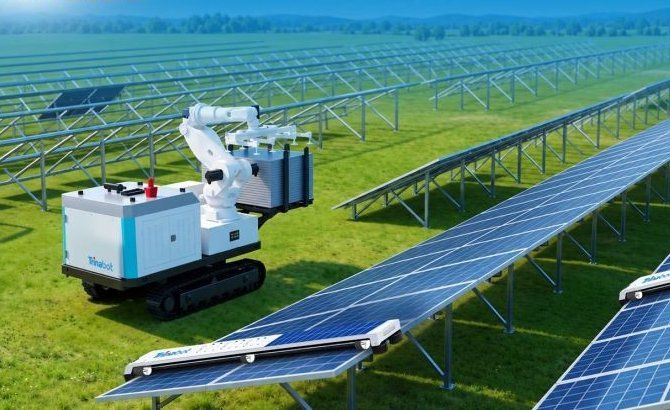
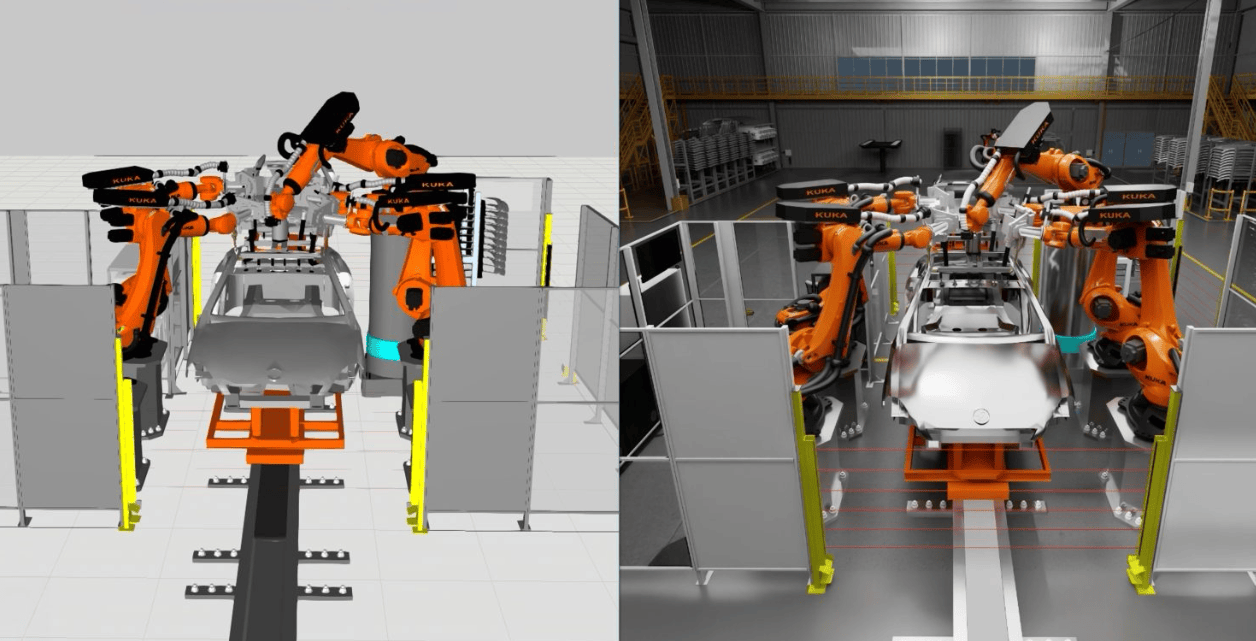
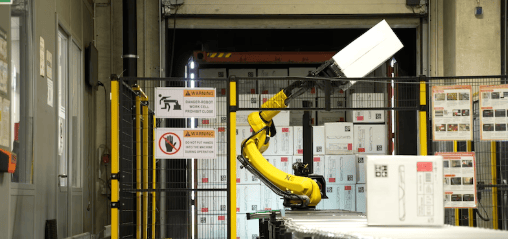
At the application scenario level, the linkage of the three industries has given rise to an integrated air-ground intelligent service ecosystem. In the field of industrial intelligent manufacturing, humanoid robots equipped with automotive-grade intelligent systems have entered flexible production processes such as welding, assembly, quality inspection, and material handling in automotive plants, while low-altitude drones undertake factory inspection and material transport tasks, working in coordination with intelligent production lines and intelligent vehicles to form a fully automated production system. In the fields of public services and urban governance, intelligent vehicles handle ground transportation, material delivery, and road condition inspection; humanoid robots are deployed in community services, supermarket operations, and government service guidance scenarios; and low-altitude aircraft undertake urban security patrols, traffic management, emergency rescue, and high-altitude surveying. The industrialization of flying cars, built on automakers' vehicle manufacturing processes, is gradually advancing toward civilian use, connecting ground intelligent mobility with low-altitude transportation.
The deep integration of converged intelligent industries has opened up new growth space for technology companies and has become a core lever for cultivating new quality productive forces and building new advantages for industrial globalization. Cross-sector integration breaks down industrial boundaries, spawns new business forms and models, and helps companies cultivate second and third growth curves. Leveraging relatively high technological maturity, complete supply chains, and abundant landing scenarios, China's converged intelligent industries have moved beyond a catch-up development model, establishing leading advantages in algorithm iteration, mass-production implementation, and scenario innovation, providing new industrial support for the globalization of high-end manufacturing.
Currently, industrial integration is still in the stage of accelerated implementation, with the refinement of industry standards, standardization of scenarios, and improvement of safety systems being the key priorities for subsequent development. In the future, as the policy system continues to improve, technological iteration deepens, and supply chain collaboration becomes increasingly close, converged intelligent industries will continue to break through technological and scale bottlenecks, building a more resilient and competitive industrial ecosystem that injects sustained momentum into the transformation and upgrading of the real economy and high-quality development.
Related Products


Strip Coating and Plating Production Line Equipment
MCC-SFRE HEAVY INDUSTRY EQUIPMENT CO., LTD.

Pneumatic high-pressure wear-resistant ball valve
Zhejiang Deca Control Valve Meter Co., Ltd.

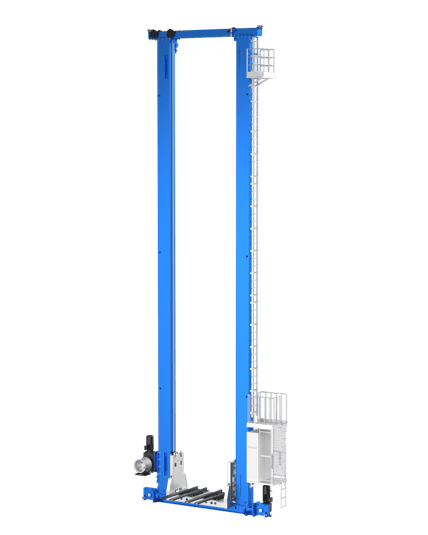
Pallet Solutions Product Line: HD3000 Double-Column Stacker Crane
Zhongding Intelligent (Wuxi) Technology Co., Ltd.

High-Speed Railway Lifting, Transporting, and Erecting Equipment: Integrated Transport and Erection Machine
Hanjiang Heavy Industry Co., Ltd. of China Railway 11th Bureau Group