en.Wedoany.com Reported - A team led by Dr. Zaklina Burghard at the Institute for Materials Science at the University of Stuttgart has developed a fabrication platform that can transform ultra-thin functional films into programmable three-dimensional ceramic microcoils within seconds, serving as compact drive components for future microrobots and soft robots. This achievement stems from Burghard's long-standing research on biomimetic ceramic material systems.
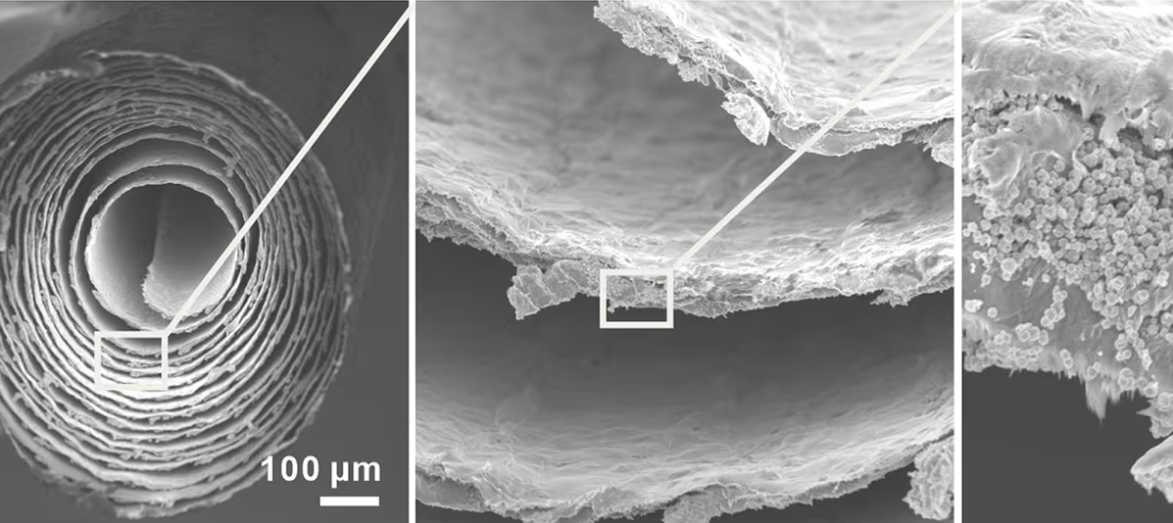
Microrobots, with their extremely small size, hold application potential in the fields of medicine and industry; soft robots, on the other hand, rely on flexible, adaptable materials to enhance adaptability and safety. Like macroscopic robots, actuators in both types of systems need to control movement or gripping, but the overall dimensions of microsystems are much smaller, and soft robots must also possess elastic deformation capabilities, imposing entirely new requirements on components that can often only be met with new materials.
Drawing inspiration from the coiling and uncoiling movements of a butterfly's proboscis, the research team fabricated ultra-thin vanadium pentoxide films containing magnetic iron oxide nanoparticles. During fabrication, the researchers used a blade to gently peel the ultra-thin ceramic film from the substrate. The blade continuously bent the peeled film, causing it to roll into tightly wound microcoils within seconds. When a magnet is brought near the microcoil, it rapidly uncoils; upon removal of the magnetic field, it recoils.
Unlike conventional ceramics, these ultra-thin films are flexible. Their unique mechanical behavior stems from bio-inspired hierarchical nano- and microstructures, which enable elastic deformation while maintaining the structural integrity of the ceramic material. The microcoils produced by the researchers are only a few micrometers wide, with diameters of just a few hundred micrometers when coiled, and can reach a length of up to 25 millimeters when uncoiled. In experiments, the microcoils remained fully functional after 5,000 cycles and were able to move objects weighing more than 30 times their own weight.
Burghard explained that the microcoils can also be arranged into programmable arrays, allowing multiple actuators to operate simultaneously to perform coordinated tasks such as lifting, transporting, or manipulating tiny objects. Vanadium pentoxide was chosen as the model material because it has been central to Burghard's research for many years, providing the foundation for the fabrication platform.
Burghard stated that the actuators are just the beginning; the true innovation lies in the coiling platform itself, which can be transferred to many different organic and inorganic thin-film materials, with potential applications in future electronic components, sensors, energy storage devices, and other multifunctional microsystems.
This work originated from a project funded by the German Research Foundation (DFG) and led by Burghard. Initial experimental studies were conducted in Semi Kim's master's thesis completed in 2023, laying the groundwork for the current research. The study was conducted in the Department of Biomimetic Materials at the Institute for Materials Science, which draws inspiration from nature and combines it with modern materials science, integrating physics, chemistry, computational modeling, and biomimetic materials design principles to develop next-generation functional materials and programmable microsystems.
Related Products
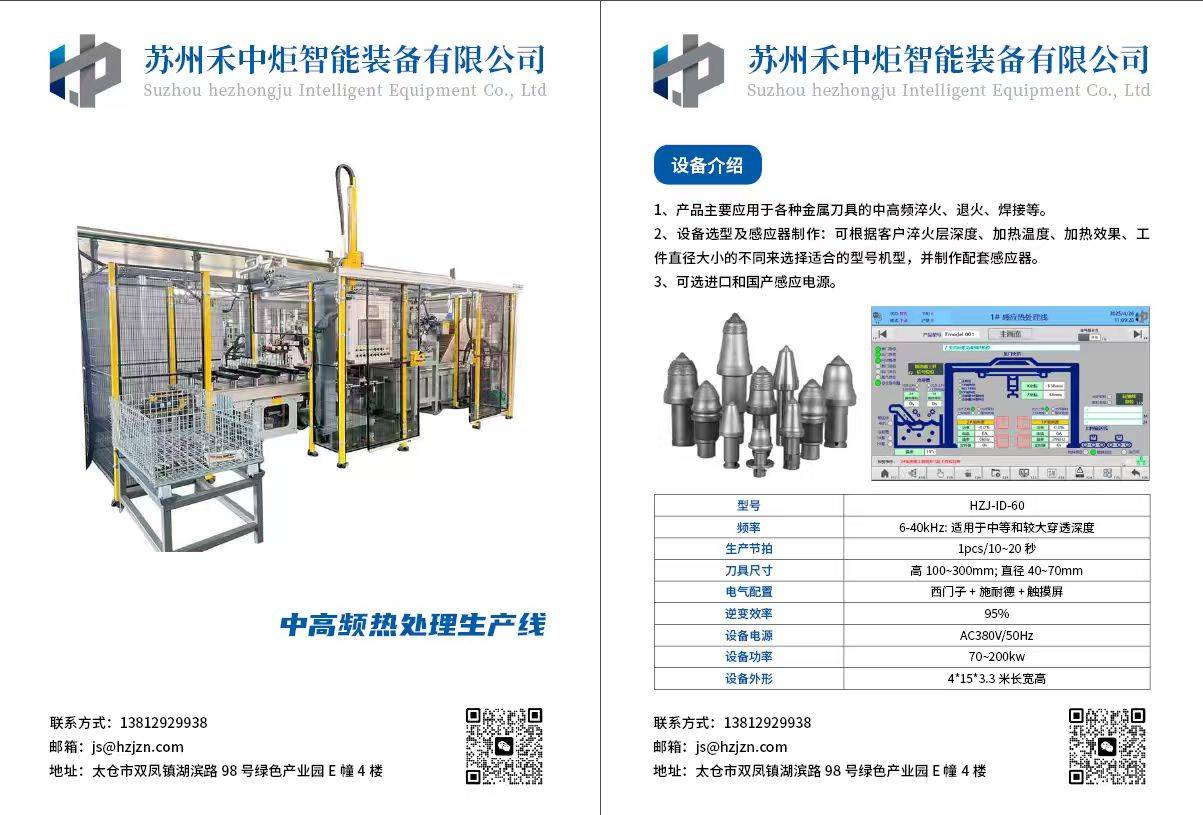

Excavator Bucket Teeth Heat Treatment Production Line
Suzhou Hezhongju Intelligent Equipment Co., Ltd.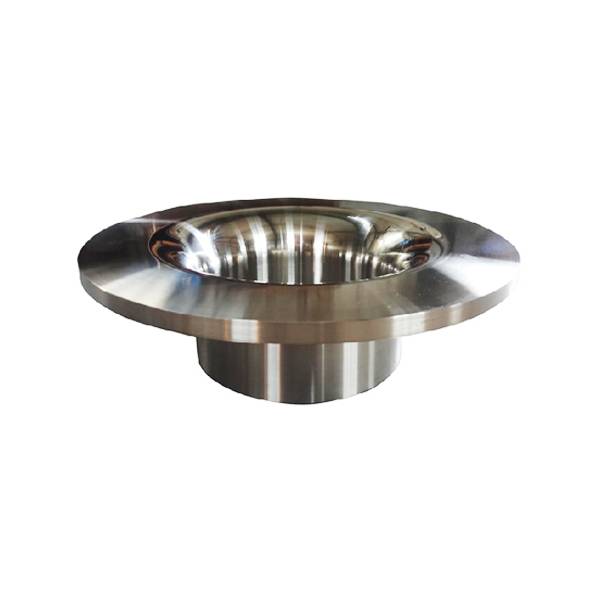
Standard Nozzle Flowmeter
Jinggong Automatic Control Instrument Complete Technology Development Company
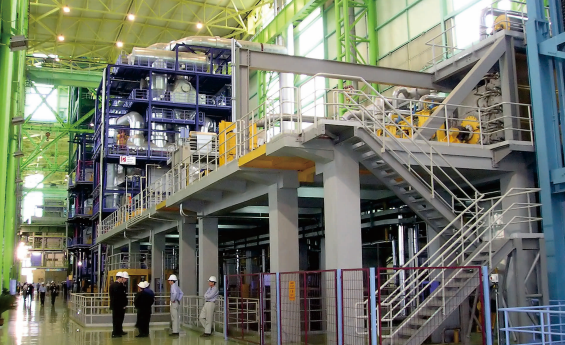
Strip Coating and Plating Production Line Equipment
MCC-SFRE HEAVY INDUSTRY EQUIPMENT CO., LTD.

CAP1400 main feedwater flow nozzle flowmeter.
Jiangsu Hongda Instrument Technology Co., LTD.
Pneumatic high-pressure wear-resistant ball valve
Zhejiang Deca Control Valve Meter Co., Ltd.