Re-Teck Launches Data Center Component Recycling Facility in Taiwan
en.Wedoany.com Reported - IT asset disposition and electronics recycling company Re-Teck has opened a new processing and recycling facility in Taiwan, specifically for dismantling data center components. The company is headquartered in San Francisco.
Re-Teck stated that this expansion aims to enhance its service capabilities to meet the rapidly growing demand from artificial intelligence (AI) and cloud data center customers in the Asia-Pacific region for secure, sustainable ITAD and advanced technology repair services. The company claims to have a global operational footprint. Although the new facility has not yet been listed on its public website, Re-Teck revealed that it already has an office in Taipei, the capital of Taiwan.
Re-Teck noted that as Taiwan continues to solidify its position as a manufacturing hub for AI infrastructure and graphics processing units (GPUs), the new facility is designed to meet the growing market demand for ITAD and electronics recycling services. The company said the investment ensures that customers operating in Taiwan and surrounding regions can access compliant, efficient, and globally standardized local delivery services.
Linda Li, Chief Strategy Officer of Re-Teck and its Hong Kong parent company Li Tong Group, stated that Taiwan is a key node in the global AI ecosystem, and the company's new ITAD facility there is unique. Re-Teck emphasized that sustainability remains a core focus of its operations. The company added that materials processed at the Taiwan facility will be sent to certified downstream partners to ensure responsible reuse and recycling. Re-Teck claims a recovery rate of 97% or higher for its components or materials, thereby minimizing landfill disposal and supporting circular economy initiatives.
Li said the company has repeatedly demonstrated its ability to achieve rapid construction and scale expansion by leveraging deep operational expertise, a mature downstream network, and the resources needed for fast execution. She noted that this expansion is a continuation of that strategy—meeting customers where they are and anticipating where they will need to be in the future.
Related Products




Forest and Grassland Heat Source Infrared Monitor
China Huayun Meteorological Technology Group Co., Ltd.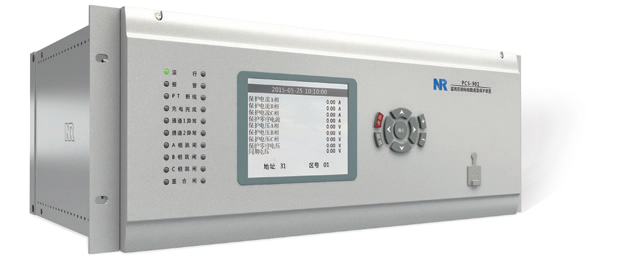
PCS-901 Series Ultra (Extra) High-voltage Transmission Line Complete Protection Device
Nanjing NR Electric Co., Ltd.
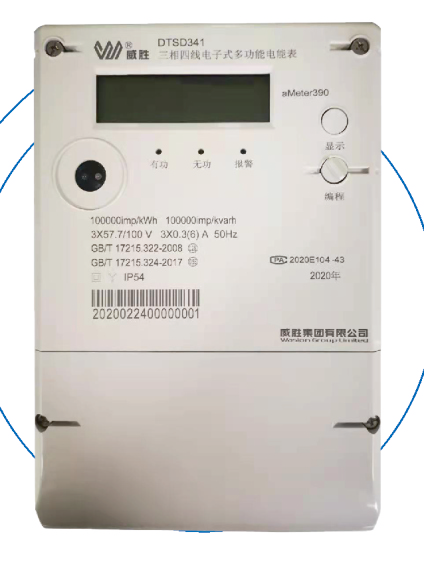
Overseas IEC Gateway Energy Meter - DTSD341/DSSD331-aMeter390
Wasion Group Limited Co., Ltd.