Emission Standards Are Pushing Vehicle Exhaust Treatment Toward System Integration
en.Wedoany.com Reported - As emission rules become stricter across major vehicle markets, Vehicle Emission Control is moving from single exhaust-cleaning devices toward integrated systems covering engine management, fuel quality, aftertreatment hardware, sensors and onboard diagnostics.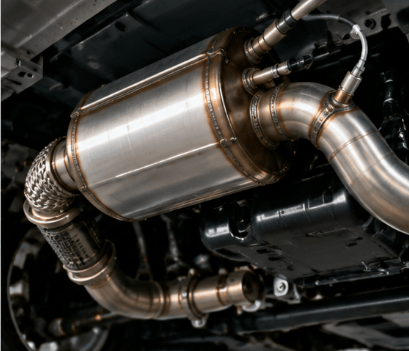
For gasoline vehicles, the three-way catalyst remains a central technology for reducing carbon monoxide, hydrocarbons and nitrogen oxides. With the wider use of gasoline direct injection engines, particulate control is also becoming more important, creating demand for gasoline particulate filters and more precise combustion management.
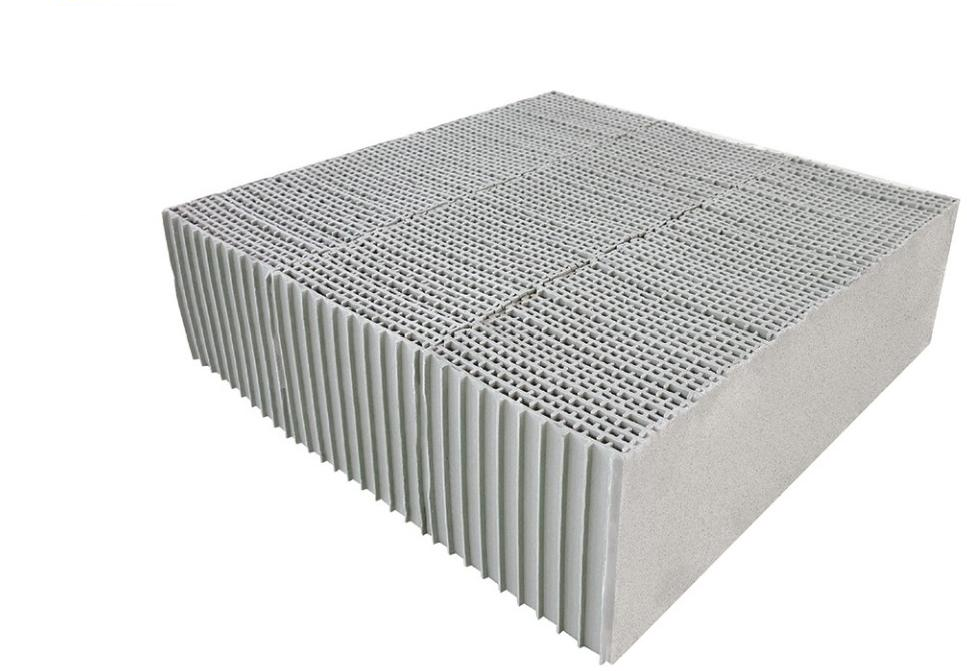
For diesel vehicles, the emission control system is more complex. Diesel oxidation catalysts, diesel particulate filters, selective catalytic reduction systems, urea dosing units, temperature sensors, NOx sensors and electronic control units need to work together. The performance of the whole system depends not only on the efficiency of each component, but also on the coordination among combustion, exhaust temperature, catalyst activity and regeneration strategy.
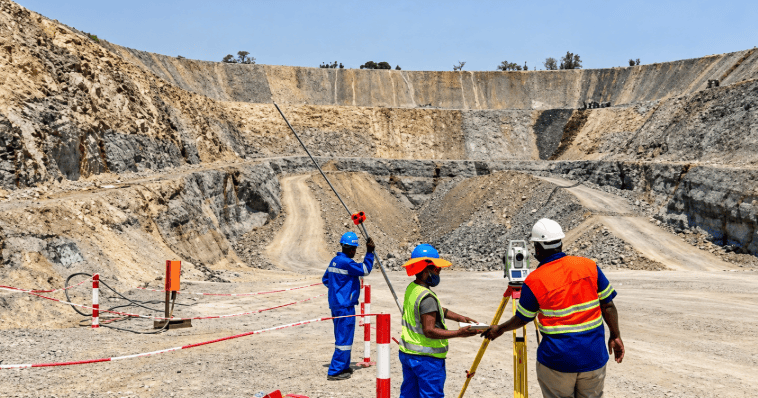
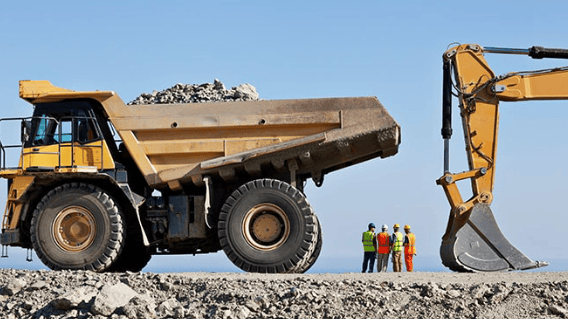
Heavy-duty trucks, buses, construction machinery and commercial fleets are key application areas. These vehicles operate for long hours, face complex duty cycles and contribute significantly to total road transport emissions. Their aftertreatment systems must therefore deliver durability, resistance to clogging, stable thermal management and reliable operation under real-world conditions.
The industry is also paying more attention to maintenance and diagnostics. A blocked filter, failed sensor, poor urea quality or damaged catalyst can quickly lead to excessive emissions, higher fuel consumption or vehicle downtime. This is why remote monitoring, fault diagnosis and preventive maintenance are becoming part of the emission control value chain.
In the future, vehicle emission control will continue to develop toward higher efficiency, stronger intelligence and longer service life. Even as electrification accelerates, internal combustion vehicles, hybrid vehicles, heavy-duty fleets and non-road machinery will remain in operation for many years. Suppliers with integrated capabilities in catalysts, filters, sensors, control software, calibration and maintenance services will be better positioned in this evolving market.
Related Products

Forest and Grassland Heat Source Infrared Monitor
China Huayun Meteorological Technology Group Co., Ltd.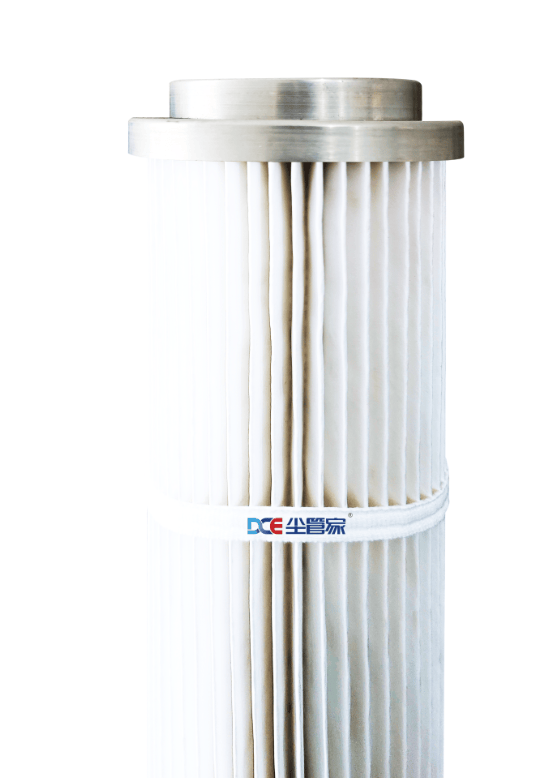
DCE High-Efficiency Energy-Saving Filter Cartridge
Zhejiang Hongsheng New Material Technology Group Co., Ltd.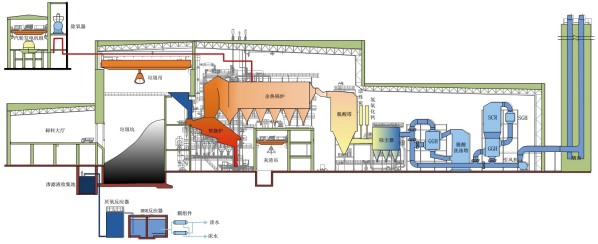
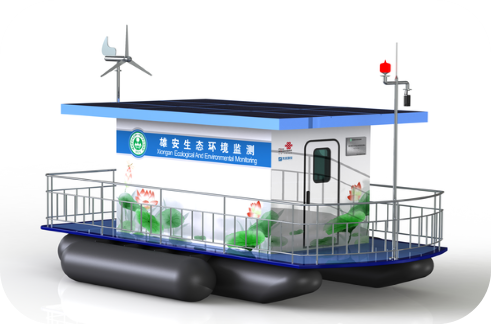
Floating Boat Water Quality Automatic Monitoring System
Hebei Sailhero Environmental Protection High-tech Co., Ltd.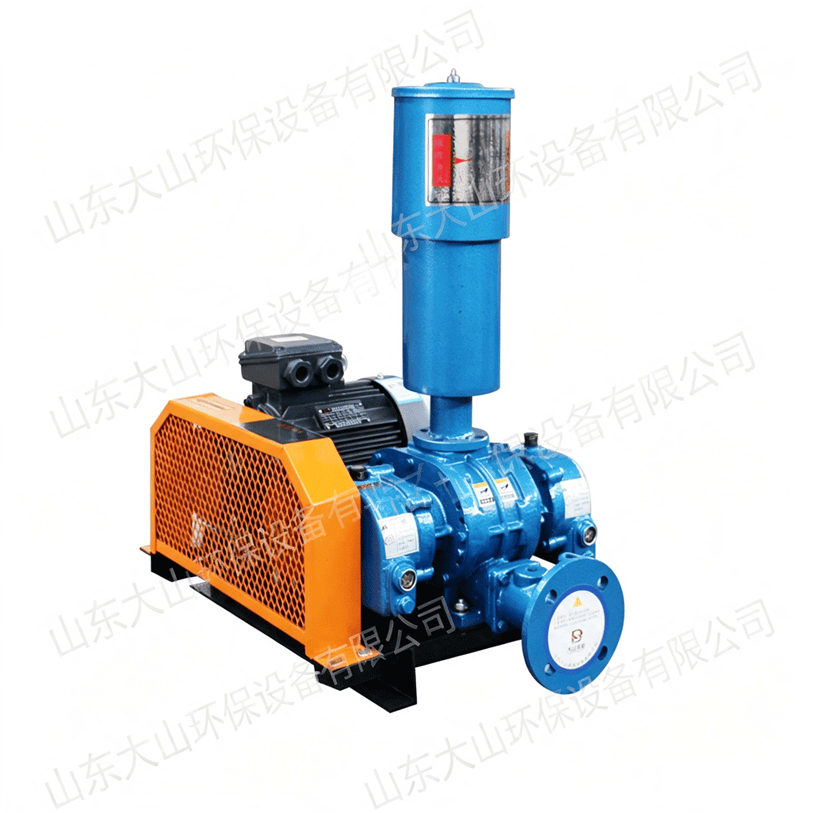
Roots Blower Aquaculture Bottom Aerator Microporous Aeration Tube Compatible Three-Lobe High Pressure Energy-Saving Oxygenation
Shandong Dashan Environmental Protection Equipment Co., Ltd.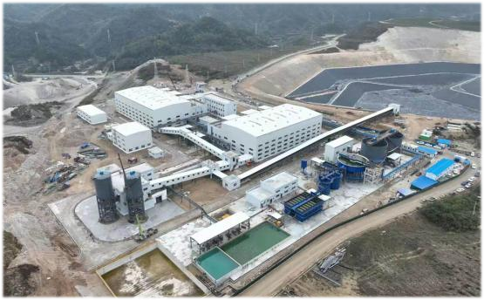
Yingping Mining Section Open-pit Tailings Backfill Treatment of Goaf Ecological Restoration EPC Project
China Bluestar Lehigh Engineering Corporation
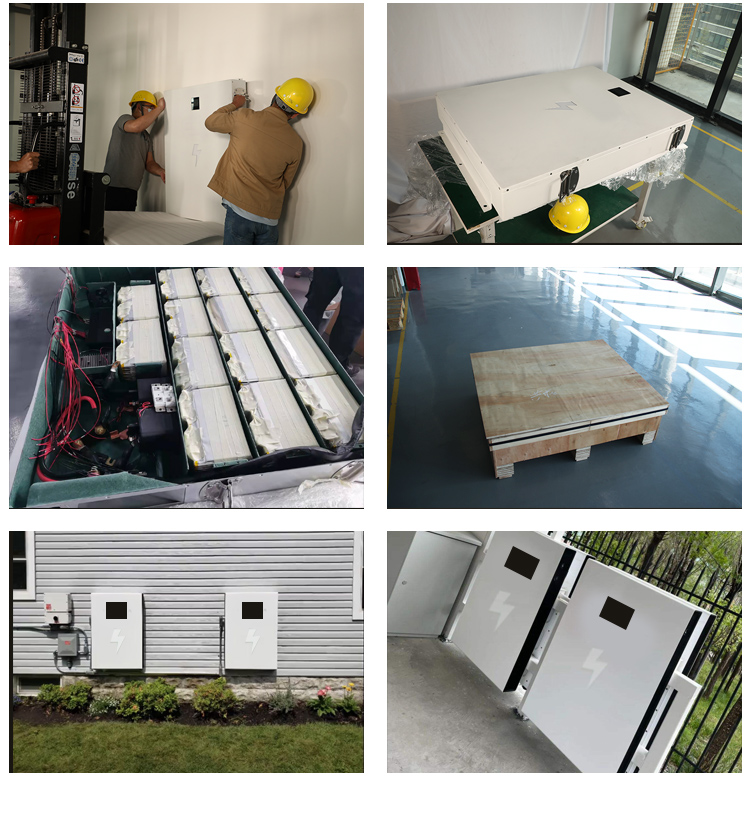
Safe, efficient, intelligent energy storage, creating smart homes and making life more convenient# Home Energy Storage # Supercapacitors # Energy Storage # Wall Mounted # Safe Electricity Use
Gonghe Power Co.,LTD