en.Wedoany.com Reported - Brazil faces challenges to its power system due to the El Niño climate phenomenon, which may force the country to activate thermal power plants in 2027 while providing more space for renewable energy absorption. Brazil's National Electric System Operator (ONS, Operador Nacional do Sistema Elétrico) stated that the solution will be to utilize renewable energy, but without abandoning natural gas and coal-fired thermal power plants.

The El Niño phenomenon, which may reach unprecedented intensity, will exacerbate droughts in northern and northeastern Brazil and reduce rainfall in the southeast, thereby lowering river flows and reservoir levels in 2027. This will directly impact Brazil's energy matrix, which is predominantly hydroelectric. Renewable energy sources, including wind and solar, which have enhanced generation capacity and lower costs during dry periods, should receive priority dispatch, but their output is highly dependent on weather conditions. Thermal power is more costly but can be flexibly activated based on demand.
Brazil's last major power crisis occurred in 2021, also triggered by a strong El Niño, when the government urgently contracted thermal power plants to meet demand. According to scientists, this year's climate phenomenon may recur and could become one of the strongest on record. Unlike in 2021, Brazil's energy matrix is now more diversified, mainly due to the growth in renewable energy installations. According to ONS data, solar installed capacity grew from 3.1 GW (gigawatts) in 2021 to 19.5 GW in 2026, wind energy from 16 GW to 35.6 GW, and micro and small-scale generation (primarily from residential solar panels) surged from nearly zero to 46.2 GW, totaling an increase of 82.2 GW, quadrupling generation capacity compared to 2021. For comparison, the total generation capacity of the major hydroelectric plants in northern Brazil—Madeira, Tucuruí, and Belo Monte—is 24 GW, which may be nearly inoperable under severe El Niño conditions, with some energy losses potentially compensated by renewables.
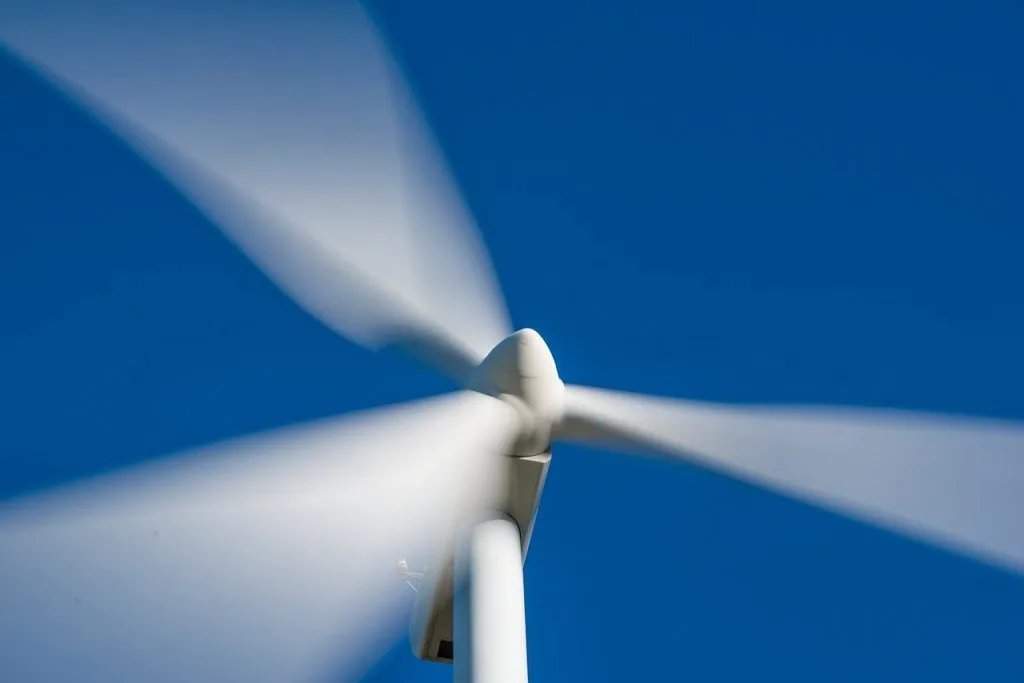
The ONS stated that the climate phenomenon does not pose a risk to the National Interconnected System (SIN, Sistema Interligado Nacional). Elbia Gabnoum, President of the Brazilian Wind Energy Association (Abeólica, Associação Brasileira de Energia Eólica), said that if El Niño again reduces hydroelectric generation, wind energy is expected to play a strategic role in ensuring energy security. A statement from the Brazilian Solar Energy Association (Absolar, Associação Brasileira de Energia Solar) noted that when reservoirs face reduced inflows, solar power generation tends to perform well due to increased solar radiation and decreased cloud cover.
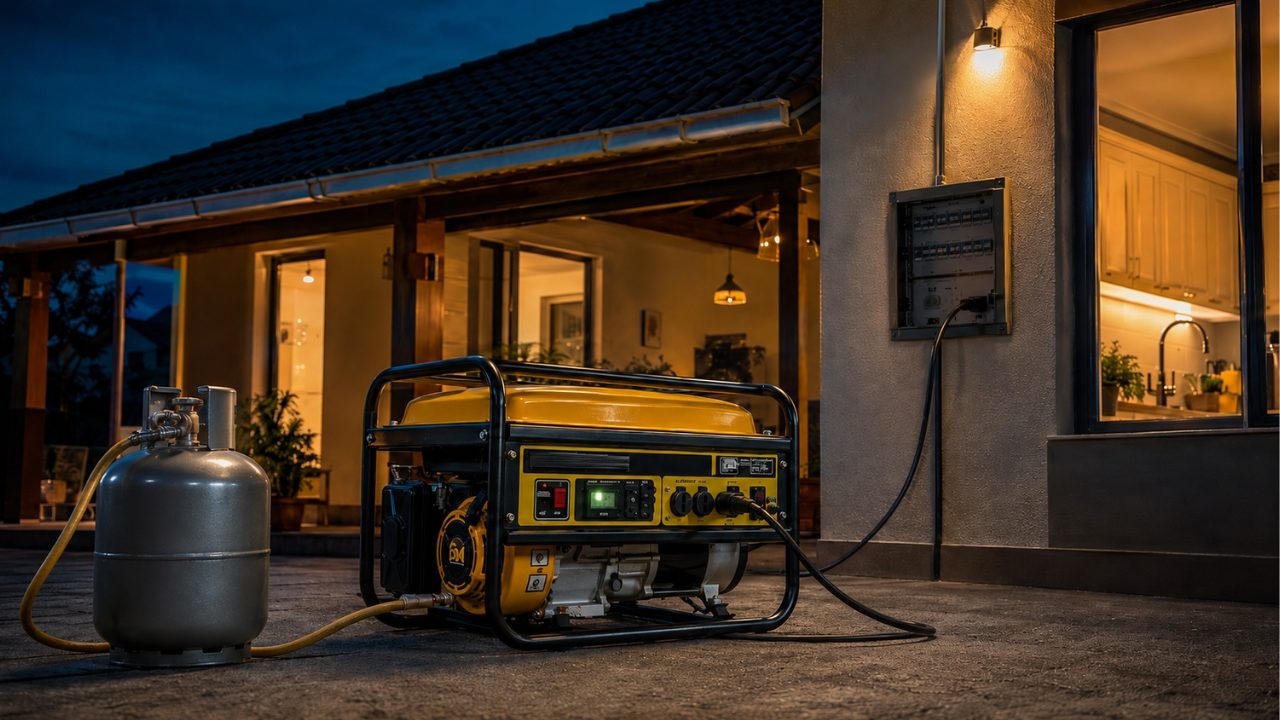
Xisto Vieira, Director of the Brazilian Thermal Power Association (Abraget, Associação Brasileira De Geradoras Termelétricas), stated that although prices are higher than those of renewables and hydropower, the operating costs of activating thermal plants are lower than potential blackouts, which would cause electricity bills to skyrocket. Brazil's National Electric Energy Agency (Aneel, Agência Nacional de Energia Elétrica) has instructed hydroelectric plants to monitor reservoirs and take measures to mitigate impacts. The Brazilian Association of Electric Power Generation Companies (Abrage, Associação Brasileira das Empresas Geradoras de Energia Elétrica), which primarily represents hydroelectric plants, noted that current reservoir conditions nationwide are good, but the greater risk lies in 2027, as more severe droughts this year will reduce rainfall in the next cycle, threatening reservoir storage. The association stated that even with a diversified matrix capable of meeting peak demand with wind and solar energy during specific periods, the use of thermal power, a more expensive resource, cannot be abandoned.
Industry insiders assess that one potential positive impact of El Niño is the reduction of power curtailment at renewable energy plants in northeastern Brazil. Generation curtailment has become one of the main issues in Brazil's power sector, primarily because the growth in renewable energy installations has not been accompanied by an expansion of grid capacity, with curtailment occurring mostly during peak wind and solar generation periods. If El Niño reduces hydroelectric output in 2027, there will be more space in the grid to accommodate renewable energy, potentially reducing the need for curtailment.