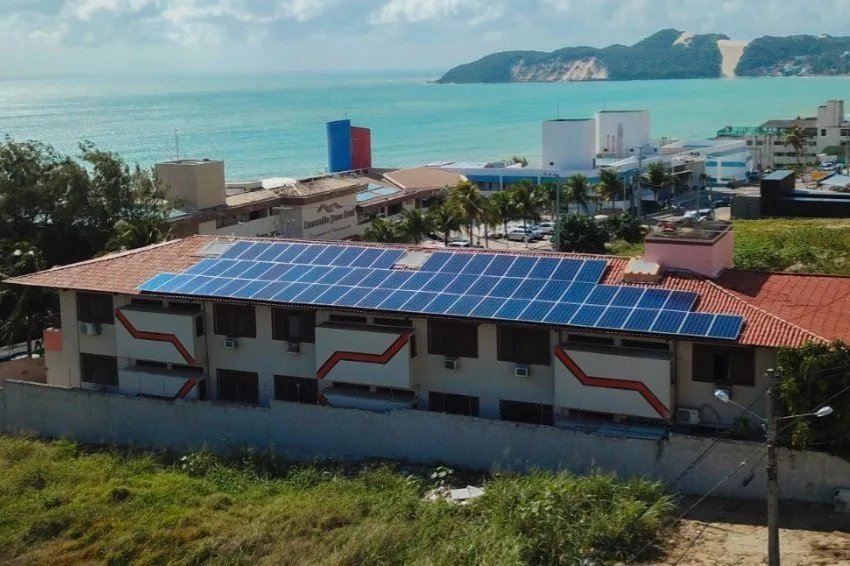
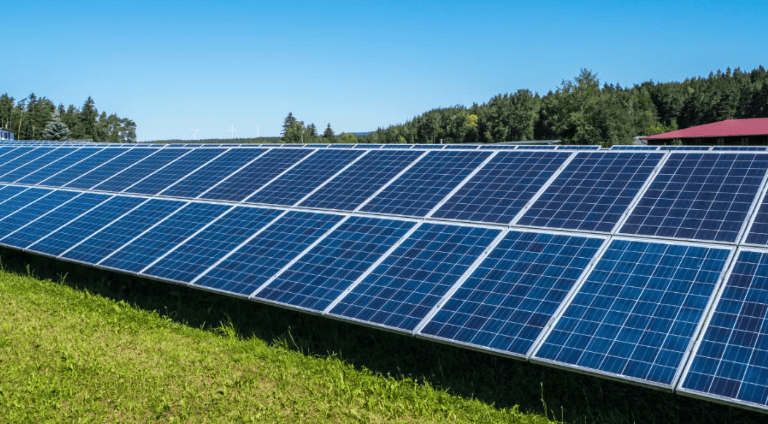
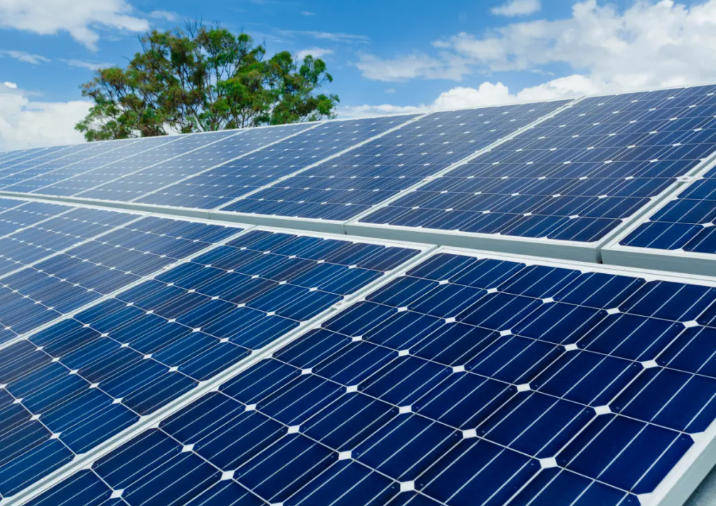
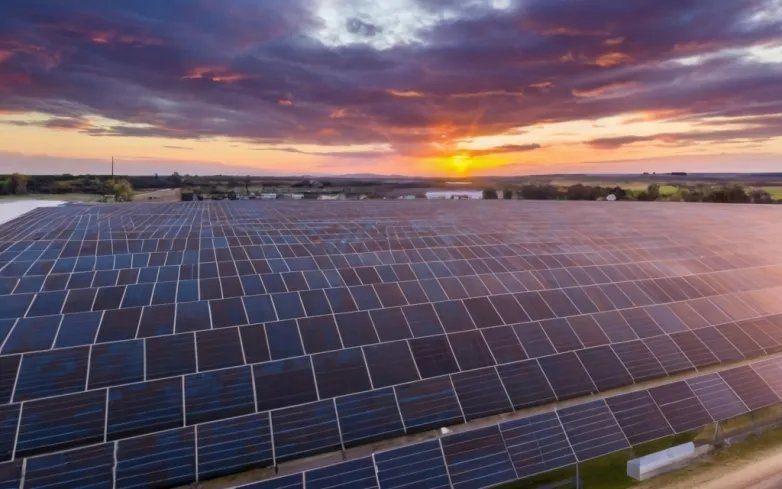
en.Wedoany.com Reported - In the Brazilian market, for residential emergency power needs to cope with blackouts, gas generators are emerging as a strong alternative to solar systems with batteries, thanks to their lower initial installation costs. An 8 kVA flexible model gas generator, which can run on liquefied petroleum gas (LPG), compressed natural gas (CNG), and gasoline, costs R$7,740; while solar kits with lithium batteries on the market start at R$12,989 and can reach up to R$28,109, not including all installation adjustment costs.
Although residential solar systems can reduce electricity bills, to cope with blackouts, the system must be equipped with batteries. NeoSolar lists off-grid kits with lithium batteries, with prices ranging from R$12,989, R$20,029, and R$28,109, depending on power, inverter, and storage capacity. According to a survey by Trice Brasil on solar labor costs in 2026, a complete residential installation under 5 kWp may cost between R$4,000 and R$7,000, while technical project and certification costs range from R$1,500 to R$3,000. Portal Solar also points out that technical installation costs, including certification, engineering design, and physical installation, can account for 25% to 35% of the total project value. Overall, depending on the configuration, the installation cost of a solar system with batteries may start at approximately R$16,989 and exceed R$38,000.
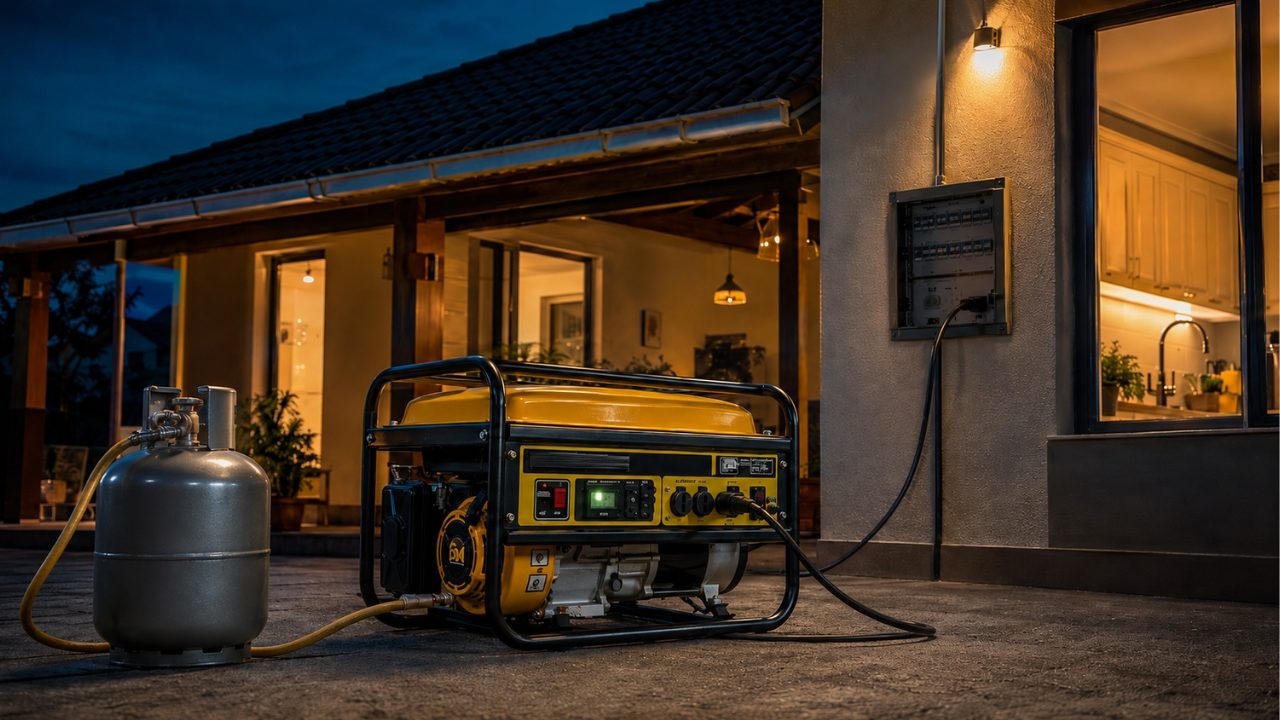
Gas generators are designed for emergency use: they start when the grid fails, support critical loads, and are unaffected by weather. According to Energy Work, professional installation costs for a residential generator range from R$2,000 to R$10,000, including electrical infrastructure, wiring, grounding, and a transfer switch. Adding the generator's own cost of R$7,740, the initial cost is estimated between R$9,740 and R$17,740. Even after installation, the total cost of the generator may be lower than many solar kits with batteries, and does not include the full labor costs of the photovoltaic system.
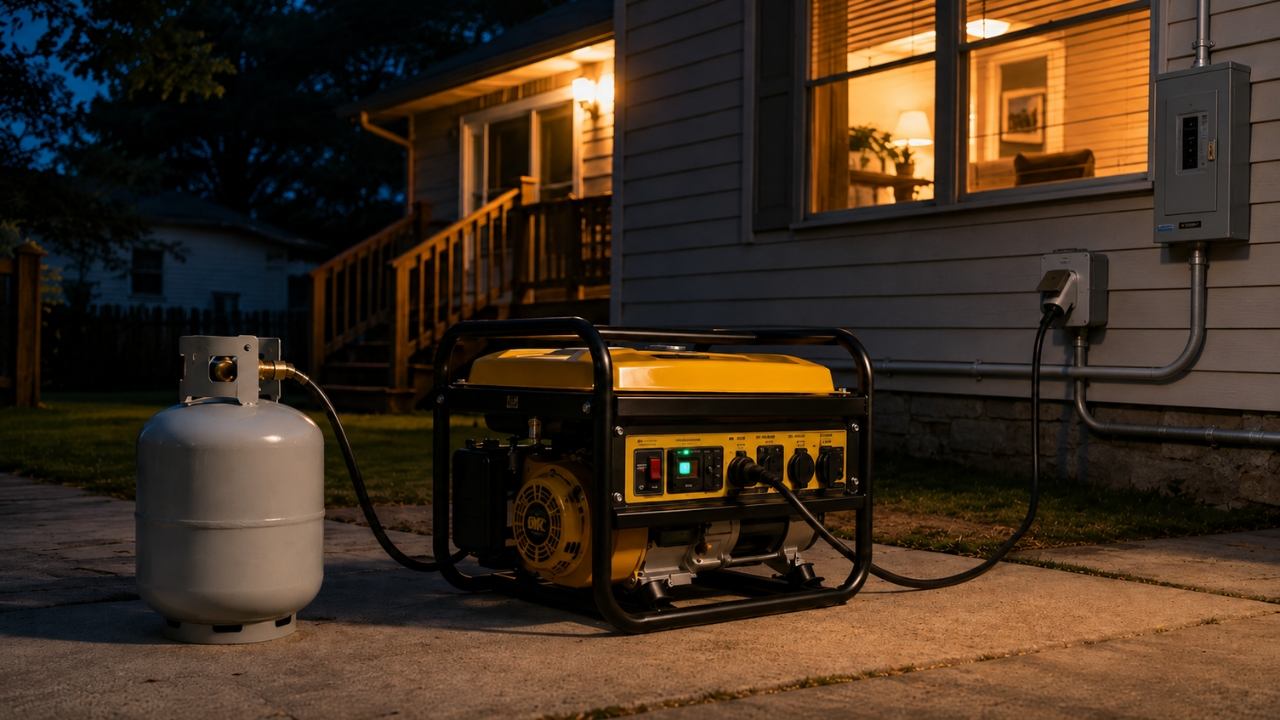
Liquefied petroleum gas (LPG) is the same gas used in Brazilian household kitchens. Data from the National Agency of Petroleum, Natural Gas and Biofuels (ANP) shows that the national average price of a 13 kg P13 cylinder was R$114.66 during the period from June 28 to July 4, 2026. However, a test cited by ANP and Sindigás documents indicates that a 7 kW generator running on one P13 cylinder shut down after 1 hour and 39 minutes due to insufficient pressure. The bottom of the container even froze. Therefore, for larger loads or extended use, an LPG central supply system, correct regulator, appropriate cylinder, and professional installation are required. Furthermore, Law No. 15,348/2026 amended the wording regarding the use of LPG in engines, specifically targeting non-compliant automotive use; however, any installation using LPG must still adhere to technical safety, ventilation, and environmental requirements.
From a fuel cost perspective, the P13 cylinder costs R$114.66, with each kg of LPG costing approximately R$8.82. Considering a consumption of about 0.37 to 0.40 kg per kWh generated, the fuel cost alone may range from R$3.25 to R$3.53 per kWh. This makes the generator powerful for emergencies, but uneconomical as a primary power source running for long hours daily. Ultimately, the core of this comparison lies in: what is the cost of obtaining electricity when the grid fails? For monthly savings, solar still holds an advantage in the long term; but for the need to cope with blackouts at a lower initial cost, independent of weather, and without purchasing expensive batteries, the gas generator is an alternative that cannot be ignored.