Italian SGM Magnetics Develops Aluminum Salt Slag Fines Recovery Line
en.Wedoany.com Reported - The newly developed salt slag fines recovery line by SGM Magnetics S.p.A. aims to recover marketable materials from aluminum salt slag, a byproduct of secondary aluminum production.
The metal sorting technology supplier, headquartered in Italy with global operations including an office in the United States, states that salt slag is one of the most challenging residues for mechanical processing in secondary aluminum smelting. Describing the material, the company notes that after crushing, grinding, and classification, the fine fraction may still contain recoverable metallic aluminum and other valuable metals. However, fine particle size, high salt content, corrosive behavior, and abrasive dust make separation a difficult task.
SGM explains that in particle sizes below 0.08 inches (2 mm), metal particles are fine and irregular, often making effective liberation and recovery difficult. Residual ferrous particles can affect the performance of downstream separation equipment, while fine aluminum and other non-ferrous metals may remain in the waste fraction if the production line is not specifically designed for salt slag applications. The company believes that for aluminum smelter operators and downstream salt slag processors, these conditions equate to direct loss of recoverable metals and reduced value of materials returned for remelting or further processing.
The newly developed sorting line combines the SGM DSRP dynamic magnetic separator and the SGM VIS-EF high-frequency eddy current separator, configured based on particle size distribution, ferrous metal content, non-ferrous metal content, throughput, and recovery targets. The DSRP stage is designed to remove residual ferrous fines, which reduce the efficiency and stability of downstream separation. The VIS-EF stage is specifically used to recover fine metallic aluminum and other non-ferrous metal particles from small particle sizes.
The technology used for processing aluminum salt slag can also be applied to other fine fractions, including automotive shredder residue (ASR) fines sorting lines. In these applications, small metal particles are still present but difficult to recover using traditional sorting layouts. In salt slag applications, to prevent equipment corrosion, SGM states that components can be manufactured from AISI 316 stainless steel to support long-term reliability when handling corrosive salt slag and abrasive fines.
Related Products
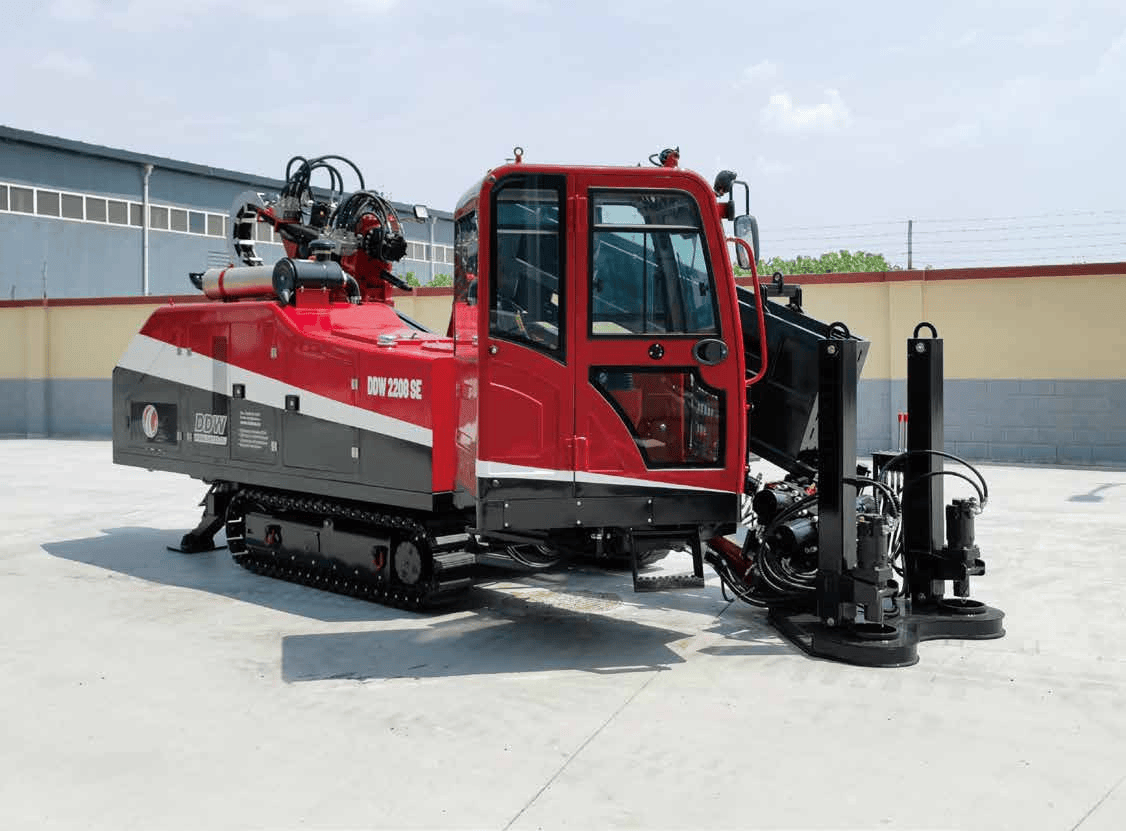

DDW22/08SE-HORIZONTAL DIRECTIONAL DRILL
DW/TXS Construction Equipment (Beijing) Co., Ltd.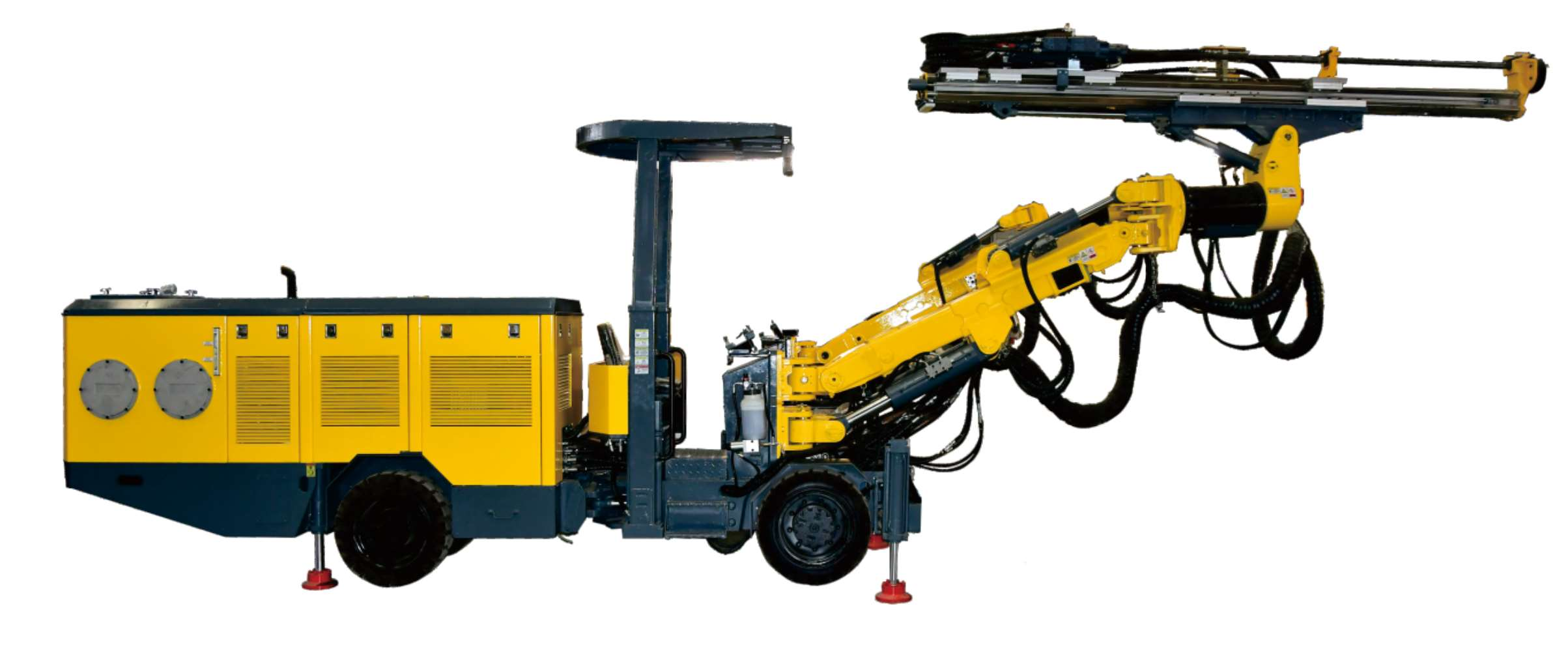
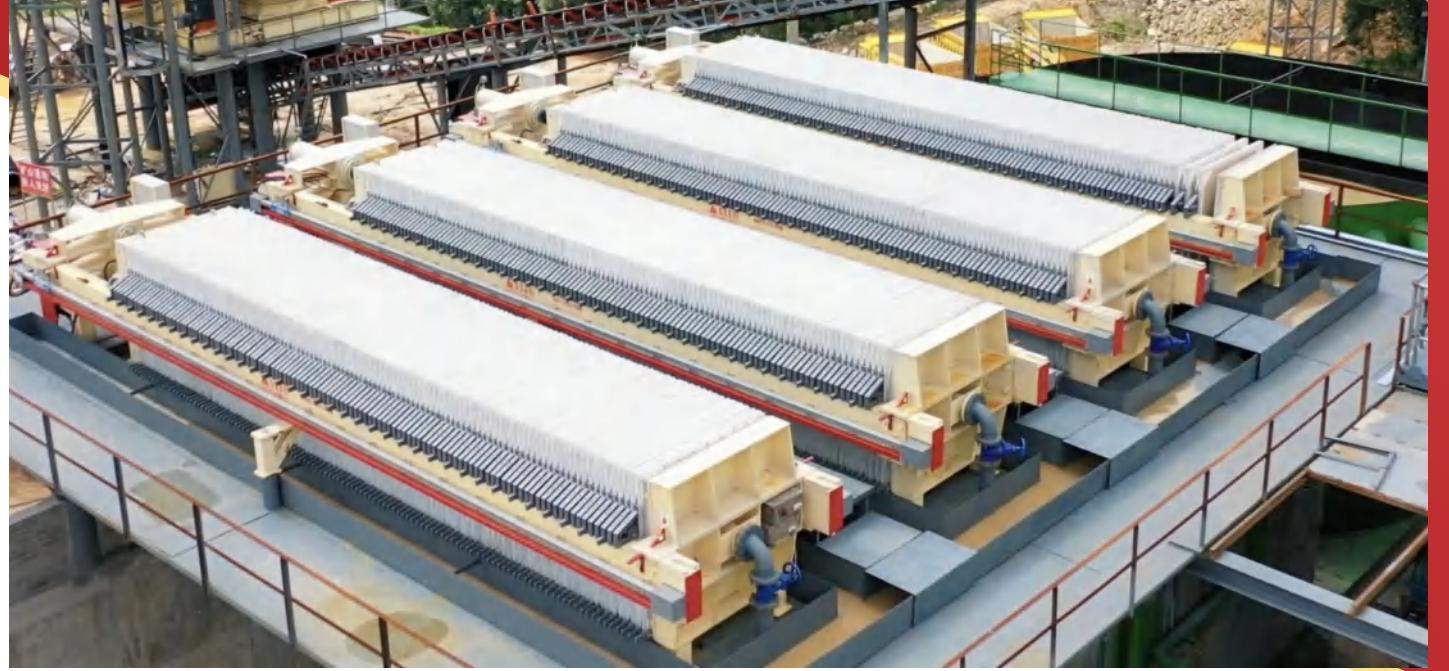
Hydraulic Plate and Frame Filter Press
Guangdong Leimeng Intelligent Equipment Group Co., Ltd.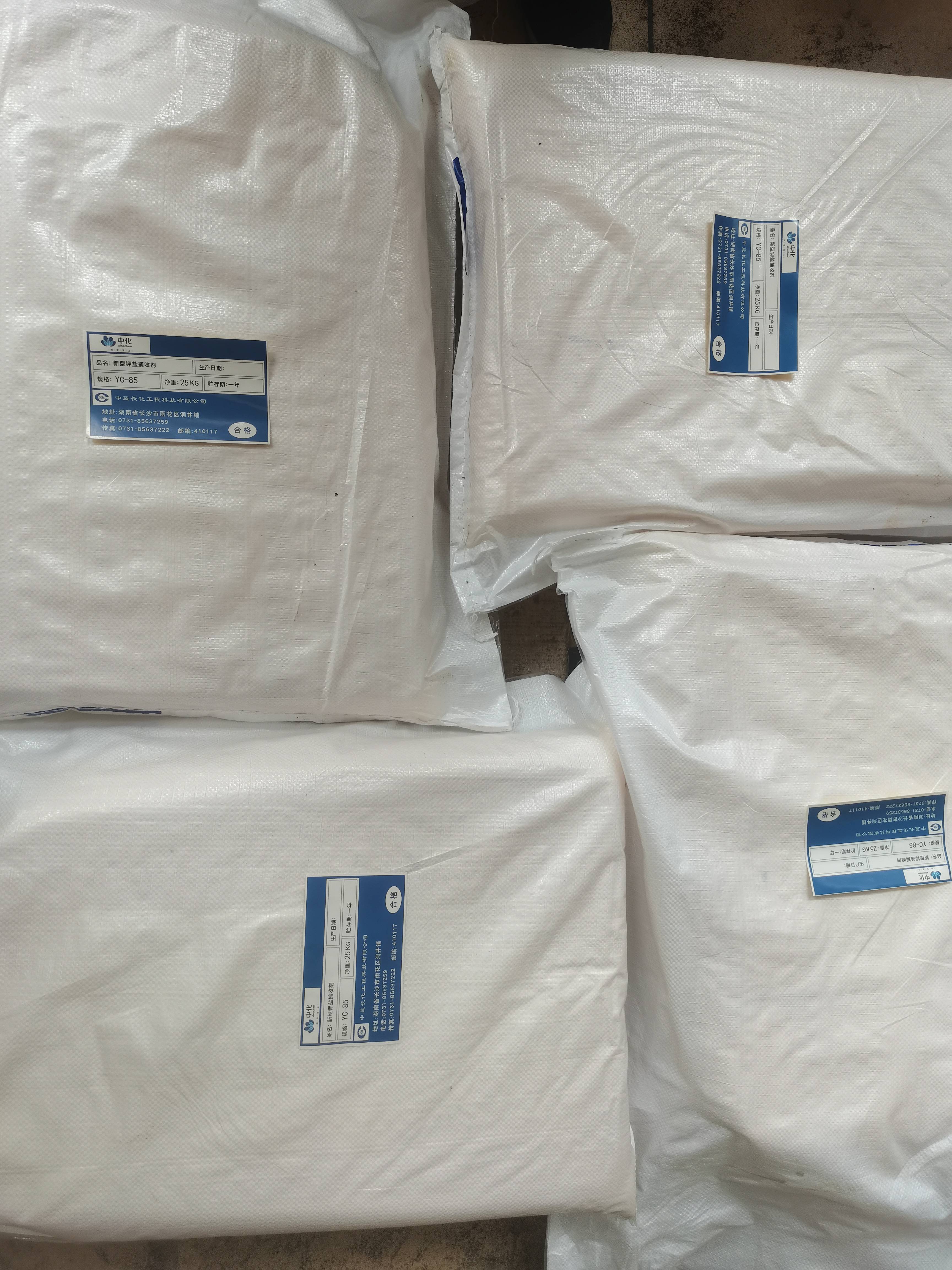
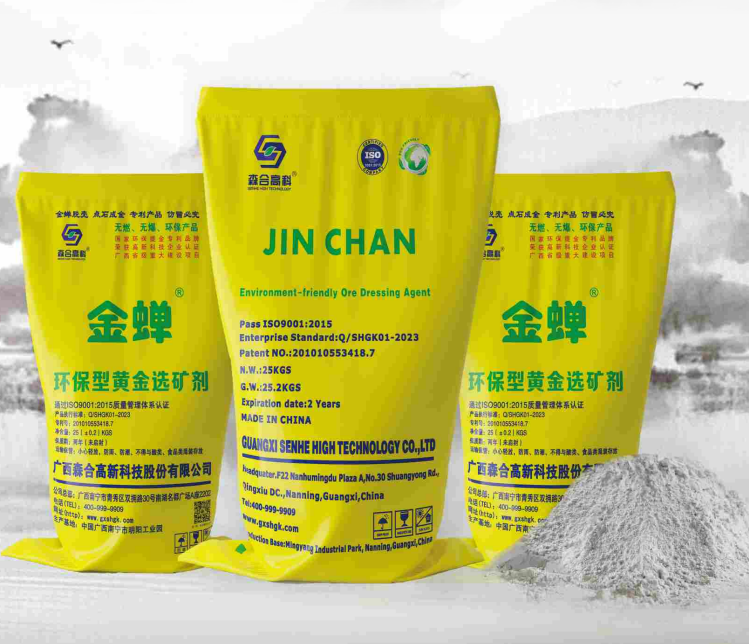
New Environmentally Friendly Green Potassium Salt Collector
Chonfar Engineering and Technology Co., Ltd.


Industrial and Commercial Point-Type Gas Detector
Jinan Benan Technology Development Co., Ltd.