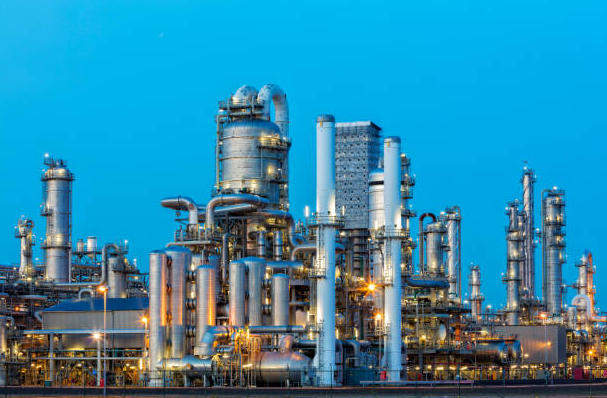
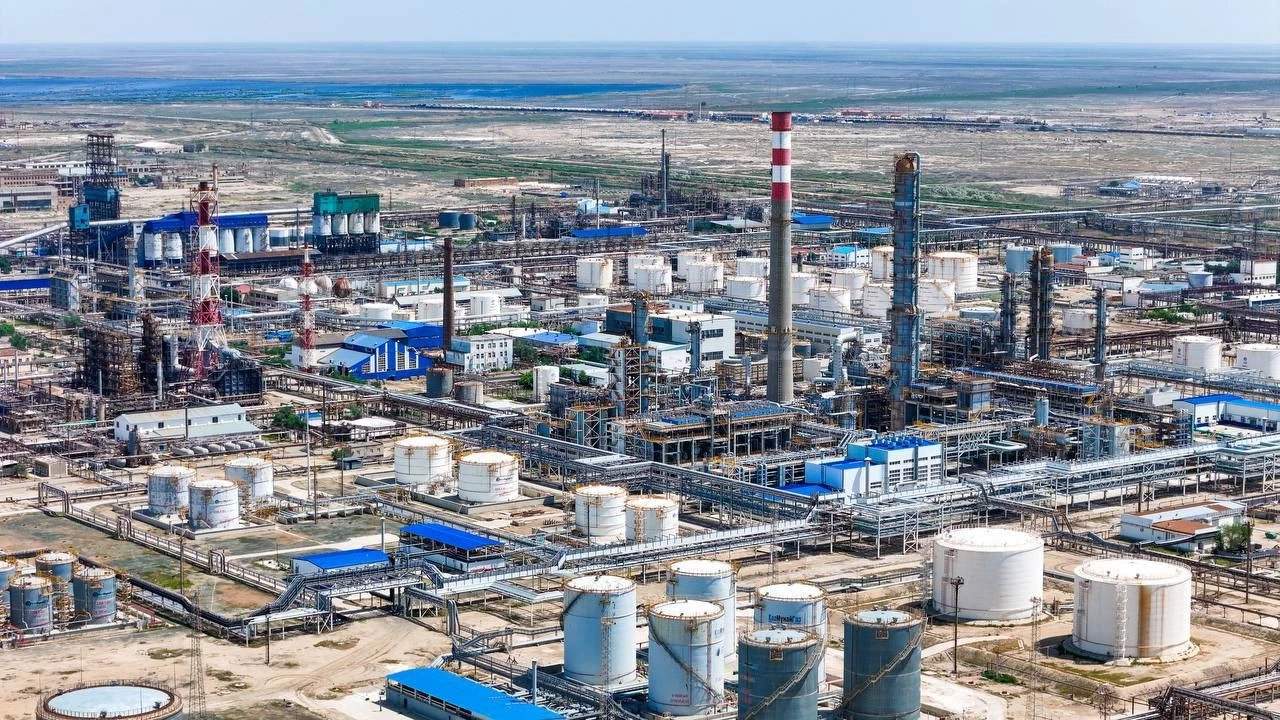
Material and Standards Define the Service Life of Petrochemical Fittings
en.Wedoany.com Reported - In petrochemical projects, the service life of Petrochemical Pipeline Fittings is determined by more than wall thickness or surface appearance. Material selection, standards, manufacturing process, heat treatment, welding performance and inspection systems all influence whether a fitting can operate safely over many years.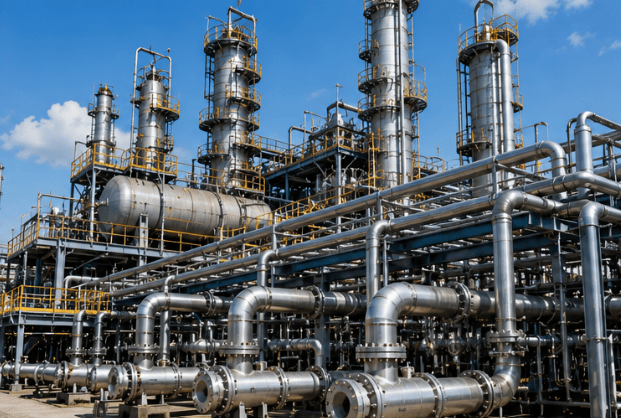
Material selection is the first barrier. Carbon steel can be suitable for many oil products and utility services, but high-temperature, low-temperature, sour, chloride-containing, sulfur-containing or highly corrosive environments may require stainless steel, chrome-moly steel, low-temperature steel, duplex stainless steel, nickel alloy or lined materials. These materials differ not only in cost, but also in welding requirements, heat treatment, corrosion resistance and long-term service behavior.
Replacing a specified material simply to reduce purchase cost can create risks that are much larger than the initial saving. A fitting that performs well in a normal utility line may fail prematurely in an aggressive chemical process line. This is why material compatibility should be linked with fluid properties, temperature, pressure, corrosion mechanism and inspection strategy.
Standards are equally important. Petrochemical fittings involve dimensional standards, pressure classes, material specifications, manufacturing standards, inspection rules and project owner requirements. Buttwelding fittings, forged fittings, flanges, gaskets and fasteners all belong to piping systems, but their technical requirements differ. Procurement teams must ensure that dimensions, wall thickness, bevels, sealing surfaces, pressure ratings, material grades and markings match the piping class.
Manufacturing quality has a direct effect on long-term reliability. Elbows and tees require attention to wall thinning, ovality and stress concentration during forming. Flanges require accurate sealing surface machining, bolt-hole positioning and neck transition quality. Reducers require stable end dimensions and controlled flow disturbance. High-pressure and high-temperature services often require stricter nondestructive testing and heat treatment control.
In the future, procurement will place more emphasis on complete quality documentation. Material certificates, heat treatment records, nondestructive testing reports, pressure test records, dimensional inspection, positive material identification and batch traceability will become essential for major petrochemical projects. For suppliers, the real competitiveness is not the lowest price, but stable manufacturing, standards knowledge and reliable documentation delivery.
Related Products

Steel Plates for Chemical Pressure Equipment
Gansu JISCO Group Hongxing Iron and Steel Co., Ltd.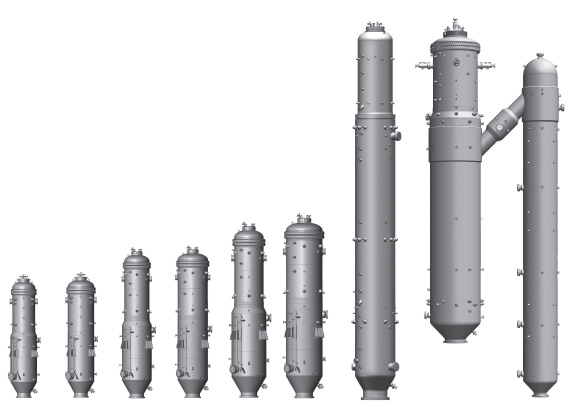
Gasification Furnace Series: Freely Combinable Aerospace Furnace
CHANGZHENG ENGLINEERING CO., LTD.
CAP1400 main feedwater flow nozzle flowmeter.
Jiangsu Hongda Instrument Technology Co., LTD.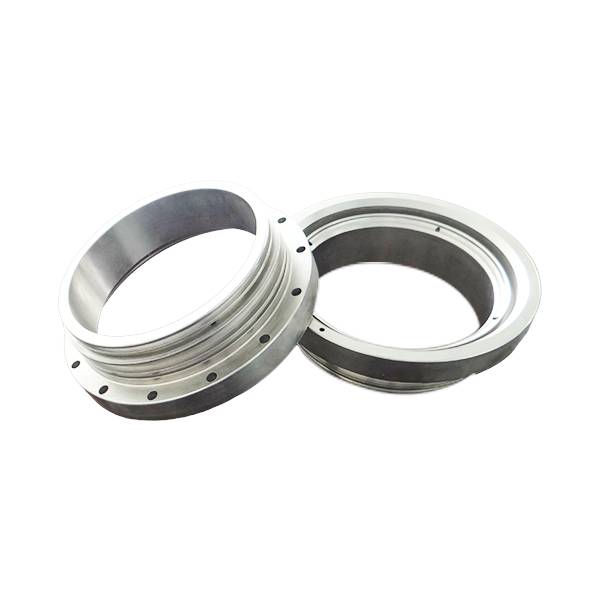
Nitrogen Export, Nitrogen Manufacturer, High-purity Nitrogen Supplier
Foshan Yuexin Industrial Gas Co., Ltd.