Dow Chemical Announces Closure of Three Chemical Plants in Germany and UK, Cutting 800 Jobs
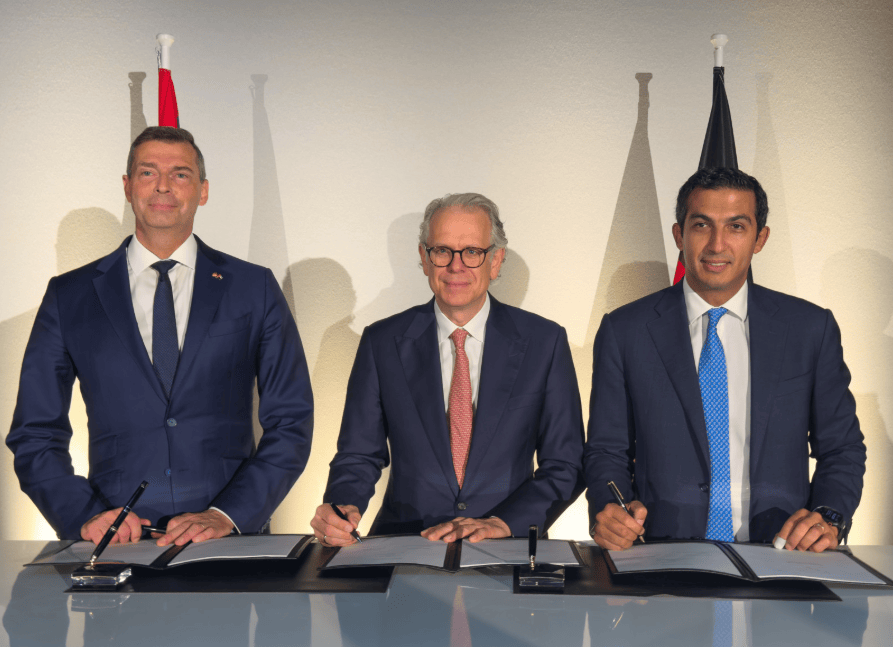
en.Wedoany.com Reported - Dow Chemical, a globally renowned chemical company, announced on July 7 that it will scale back its operations in Europe, approving the closure of three upstream production sites located in Germany and the United Kingdom, with plans to lay off approximately 800 employees.
This closure is part of a global restructuring and cost-reduction plan announced by Dow Chemical in January of this year. The plan involves laying off 1,500 employees worldwide, with a target of cutting annual costs by $1 billion.
According to the published plan, the capacity phase-out will proceed in stages: closure work will begin in mid-2026, with major production halting by the end of 2027, while subsequent tasks such as equipment dismantling and site cleanup will continue until 2029.
The three plants being closed are located in Böhlen, Germany; Schkopau, Germany; and Barry, UK. All are core upstream raw material production bases for Dow Chemical in Europe, with capacity covering key basic chemical supplies in the region.
The Böhlen plant in Germany produces basic raw materials for packaging and specialty plastics, with an annual capacity of 510,000 tons of ethylene, 250,000 tons of propylene, and 105,000 tons of butadiene. The plant is scheduled to be fully shut down in the fourth quarter of 2027.
The Schkopau plant in Germany focuses on industrial intermediates and basic chemical raw materials, with an annual capacity of 250,000 tons of chlorine, 275,000 tons of caustic soda, 740,000 tons of EDC, and 390,000 tons of VCM. This plant is also set to cease production in the fourth quarter of 2027.
The Barry plant in the UK specializes in producing siloxane raw materials for high-performance materials and coatings, with an annual capacity of 145,000 tons, accounting for 30.5% of total European regional capacity. This plant will be shut down at the fastest pace, with production ceasing first in mid-2026.
Jim Fitterling, Chairman and CEO of Dow Chemical, stated that this round of capacity contraction in Europe is a passive strategic adjustment driven by multiple industry crises. First, the ongoing Russia-Ukraine conflict has continuously pushed up natural gas prices in Europe, dismantling the low-cost energy advantage that the European chemical industry has long relied on. Second, downstream industries such as automotive, home appliances, and construction remain sluggish, leading to shrinking demand for chemical products. More critically, the rapid rise of integrated refining and chemical capacity in China, South Korea, and the Middle East, leveraging low-cost energy and scale advantages, has strongly substituted the European local market, weakening the price competitiveness of European companies.
Since 2024, Dow Chemical has successively closed its polyether polyol plant in Argentina and alkoxylation plant in Taiwan, China, and sold its flexible packaging adhesives business, continuously divesting inefficient and high-cost capacity.
Dow Chemical's contraction is not an isolated case. Since 2025, international chemical giants such as Lanxess, Shell, Mitsubishi Chemical, Huntsman, Covestro, LyondellBasell, INEOS, and Teijin of Japan have all announced closures or sales of their European local capacity. According to the latest data from the European Chemical Industry Council (Cefic), from 2022 to 2025, the European chemical industry permanently shut down a cumulative capacity of 37 million tons, accounting for 9% of the region's total capacity, with the closure rate surging sixfold compared to historical norms. In 2025 alone, 17.2 million tons were shut down, exceeding the total for 2022 and 2023 combined. By regional distribution, Germany shut down 8.8 million tons, accounting for 25%, ranking first; the Netherlands shut down 7.2 million tons, accounting for 20%; and the UK shut down 4.5 million tons, accounting for 12%. By industrial chain structure, the upstream petrochemical sector suffered the most severe damage, with 17.8 million tons of capacity shut down, accounting for 48% of the total. Total steam cracker capacity was reduced by 16%, and over 60% of refineries across Europe face high-risk closure pressure.
This round of plant closures will result in phased financial expenditures for Dow Chemical, with estimated disposal costs ranging from $630 million to $790 million, including asset impairments, equipment write-offs, site disposal, and employee severance. Cash expenditures over the next four years are expected to be approximately $500 million. However, from a long-term operational perspective, capacity rationalization will optimize the company's profit structure. Dow Chemical forecasts that its EBITDA will steadily improve from 2026, achieving 50% of the $200 million profit enhancement target by the end of 2027, with full earnings recovery by 2029.
As European local capacity continues to exit, integrated refining and chemical capacity in Asia and the Middle East is rapidly filling the global supply gap. Data shows that the comprehensive production cost per ton of ethylene at integrated refining and chemical plants in the Middle East and Asia is $180 to $220 lower than that of independent European crackers, highlighting a clear cost advantage. The European Chemical Industry Council (Cefic) issued another warning on July 7, stating that without substantial reforms to the EU Emissions Trading System and natural gas pricing mechanisms, the trend of European chemical capacity closures and relocations will continue beyond 2027, potentially further weakening Europe's position as a traditional chemical hub.
Related Products
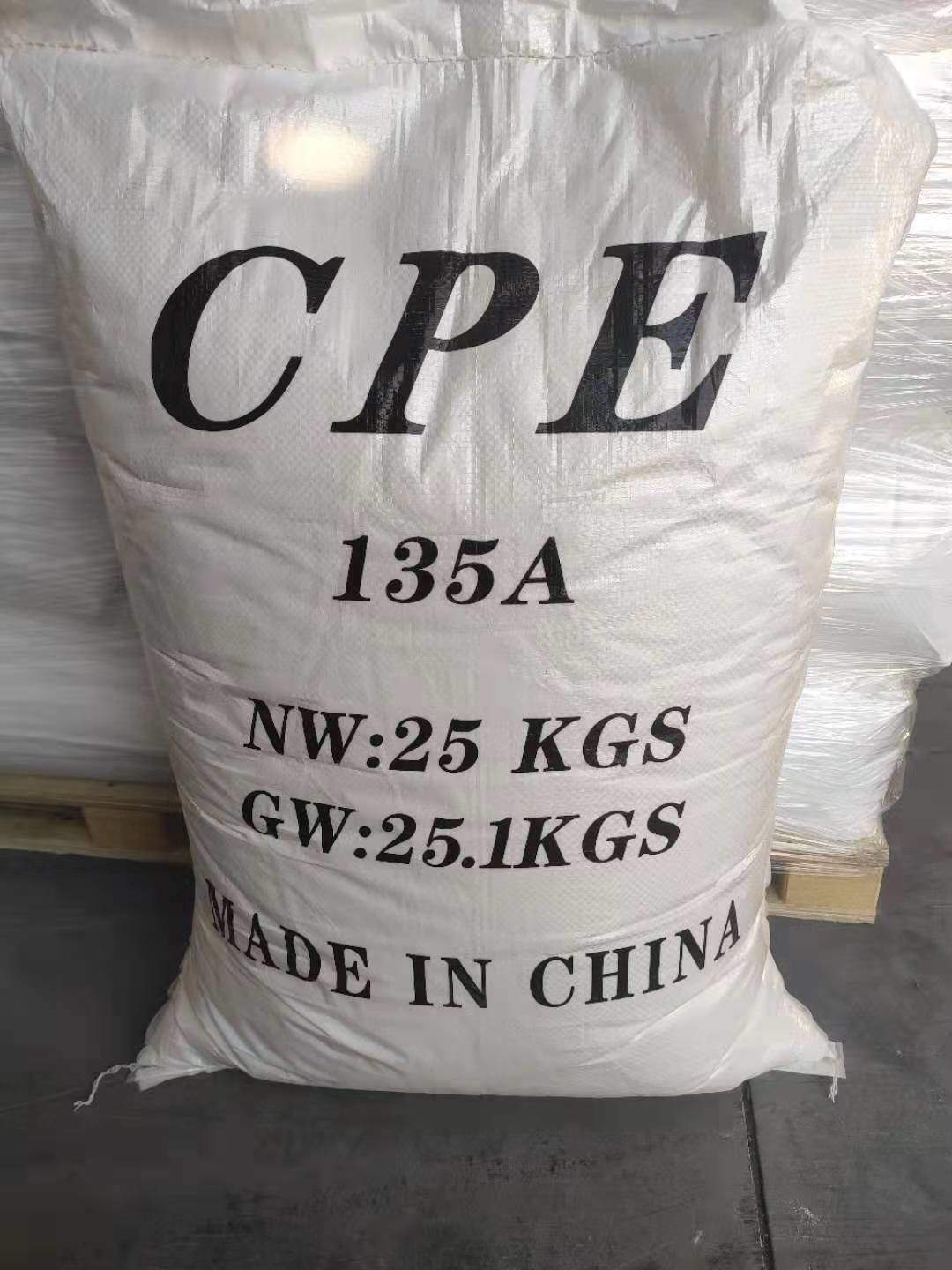

PVC Impact-Modified Chlorinated Polyethylene
Gansu Jinchuan Hengxin Polymer Technology Co., Ltd.
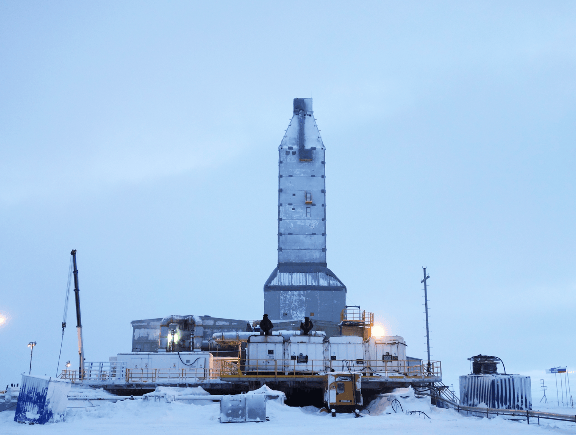
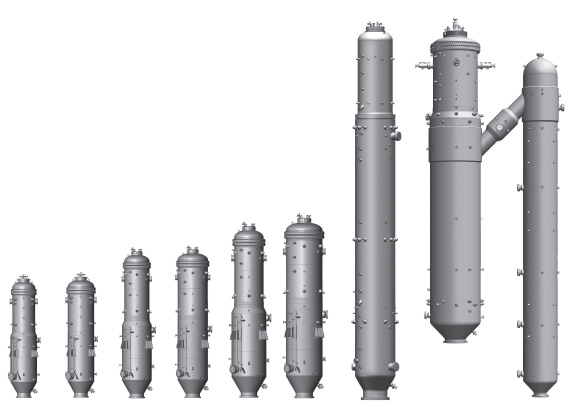
Gasification Furnace Series: Freely Combinable Aerospace Furnace
CHANGZHENG ENGLINEERING CO., LTD.
Nitrogen Export, Nitrogen Manufacturer, High-purity Nitrogen Supplier
Foshan Yuexin Industrial Gas Co., Ltd.
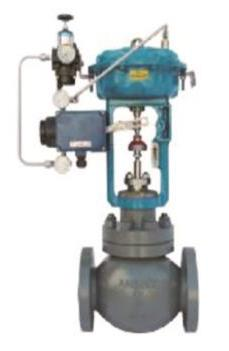
Quick-Change Single-Seat Control Valve / Quick-Change High-Pressure Single-Seat Control Valve
Beijing Consen Automation Technology Co., Ltd.