Sweden's Nibe Launches Propane Heat Pump S2060 Series with COP of 5.53
en.Wedoany.com Reported - Swedish heating technology manufacturer Nibe has launched the S2060 series of air-to-water heat pumps, designed for residential and small commercial buildings.
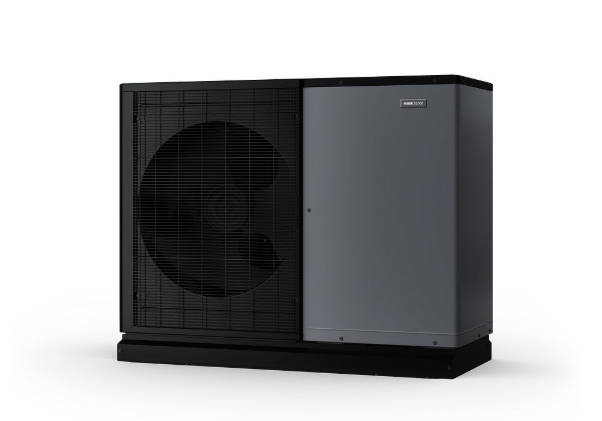
The new series includes two inverter-controlled monobloc outdoor units, models S2060-6 and S2060-10. Both models use natural refrigerant propane (R290) and are designed for buildings with heating loads of up to 7 kW and 10 kW, suitable for new construction projects and replacing fossil fuel heating systems.
The manufacturer states that the inverter technology in this series automatically adjusts the heat pump output based on the building's actual heating demand, thereby reducing energy consumption and ensuring low annual operating costs. Under supply water temperatures of 35°C and 55°C, the S2060 series achieves a seasonal coefficient of performance (SCOP) of up to 5.33 for space heating, with an energy efficiency class of A+++. According to the EN 14511 standard, under nominal test conditions at 7°C/35°C, the S2060-6 delivers a heating capacity of 4.92 kW with a coefficient of performance (COP) of 5.53, while the S2060-10 delivers 6.02 kW with a COP of 5.42.
The heat pump series can achieve a maximum supply water temperature of 75°C and can still provide 65°C supply water when the outdoor temperature drops to -25°C. In cooling mode, the S2060-6 has a nominal cooling capacity of 8.48 kW with an energy efficiency ratio (EER) of 3.64 under A35/W18 conditions, while the S2060-10 has a cooling capacity of 10.76 kW with an EER of 4.05.
The compact outdoor unit measures 1,160 mm × 916 mm × 440 mm. The S2060-6 weighs 84 kg, and the S2060-10 weighs 91 kg. Under nominal operating conditions at 7°C/45°C, the smaller model has a sound power level of 51 dB(A), and the larger model has 54 dB(A). The company states that quiet operation facilitates installation in dense residential areas and other noise-sensitive environments. In addition to heating, the S2060 also offers cooling functionality, maintaining indoor comfort during high outdoor temperatures and extending the heat pump's use beyond the traditional heating season.