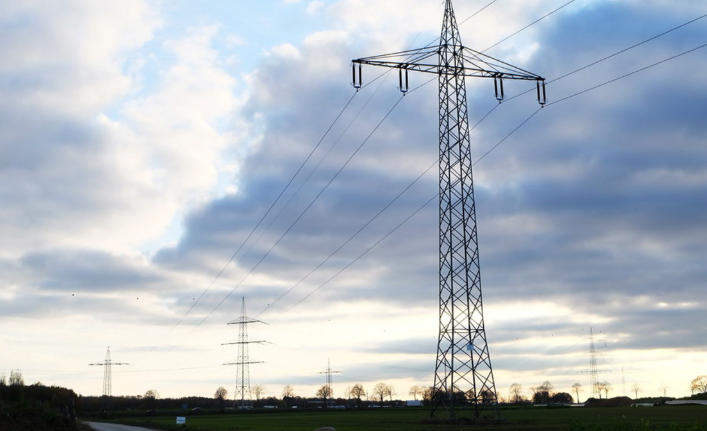
World's First Flexible UHVDC Project Section Yu4 Fully Connected in China
en.Wedoany.com Reported - The Yu4 section of the world's first flexible ultra-high voltage direct current (UHVDC) transmission project—the ±800 kV UHVDC transmission project from Gansu to Zhejiang, constructed by PowerChina—has recently achieved full connection. This "green electricity artery," spanning six provinces and regions with a total length of 2,370 kilometers, is rapidly taking shape, supporting peak summer electricity demand and ensuring energy supply for people's livelihoods.
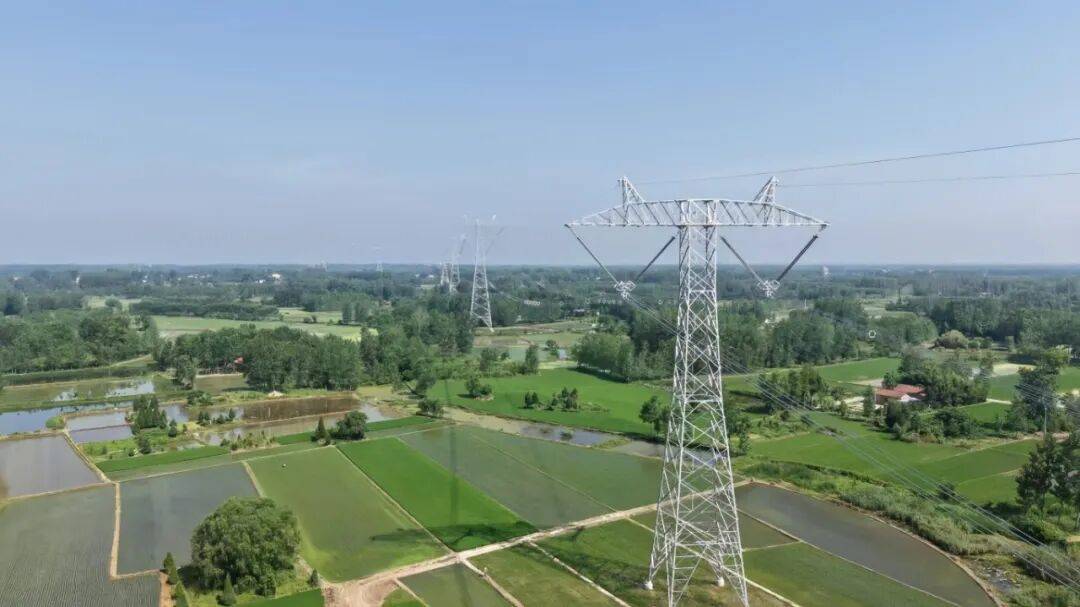
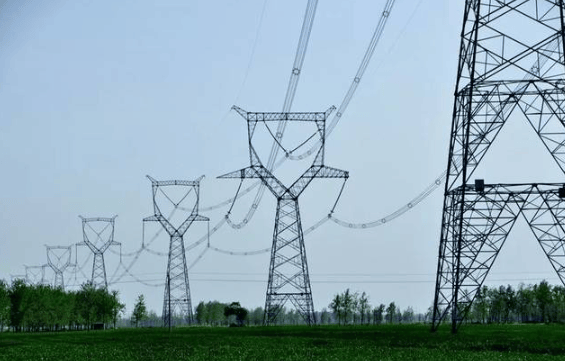
This project is a key initiative in China's national power development plan and the world's first ±800 kV project to adopt flexible DC technology at both the sending and receiving ends. It starts from Wuwei, Gansu Province, and ends in Shaoxing, Zhejiang Province, passing through six provinces and regions: Gansu, Ningxia, Shaanxi, Henan, Anhui, and Zhejiang. Among them, sections Yu3 and Yu4 are designed by Hebei Electric Power Design & Research Institute and Central China Electric Power Design & Research Institute under PowerChina, and supervised by Hubei Engineering Company. The line traverses Nanyang and Xinyang in Henan Province, passing through eight county-level administrative regions including Tongbai County, with a total length of 256.575 kilometers and 532 newly built towers.
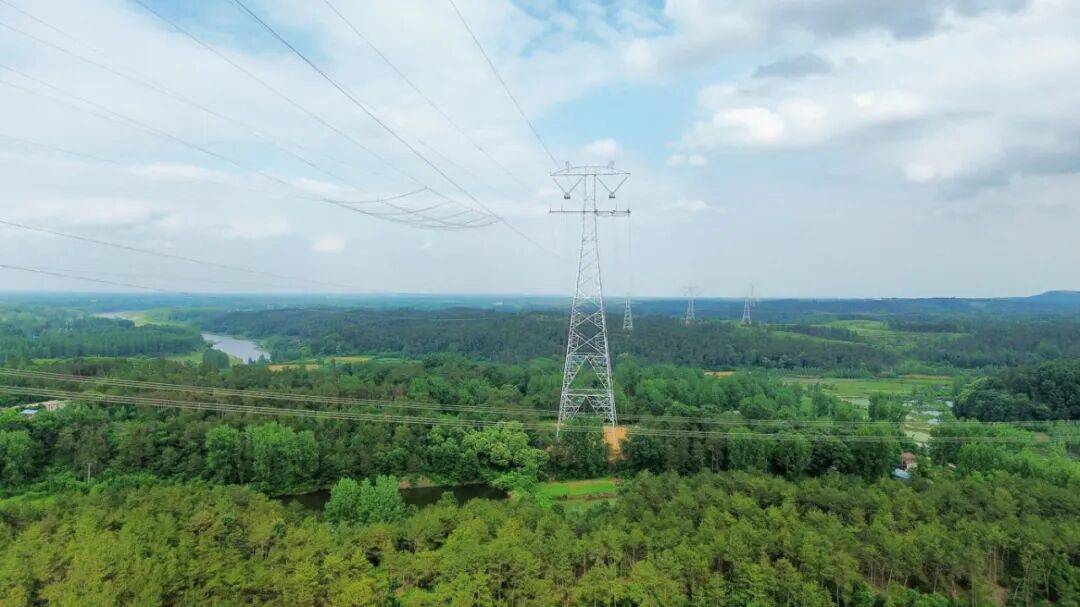
Since the start of construction, the project team has coordinated resource allocation around key milestones, implementing full-process control over foundation pouring, tower assembly, and wire stringing. Facing challenges such as complex terrain and variable weather along the route, the team formulated countermeasures in advance and dynamically adjusted priorities, ensuring the smooth connection of the Yu4 section.
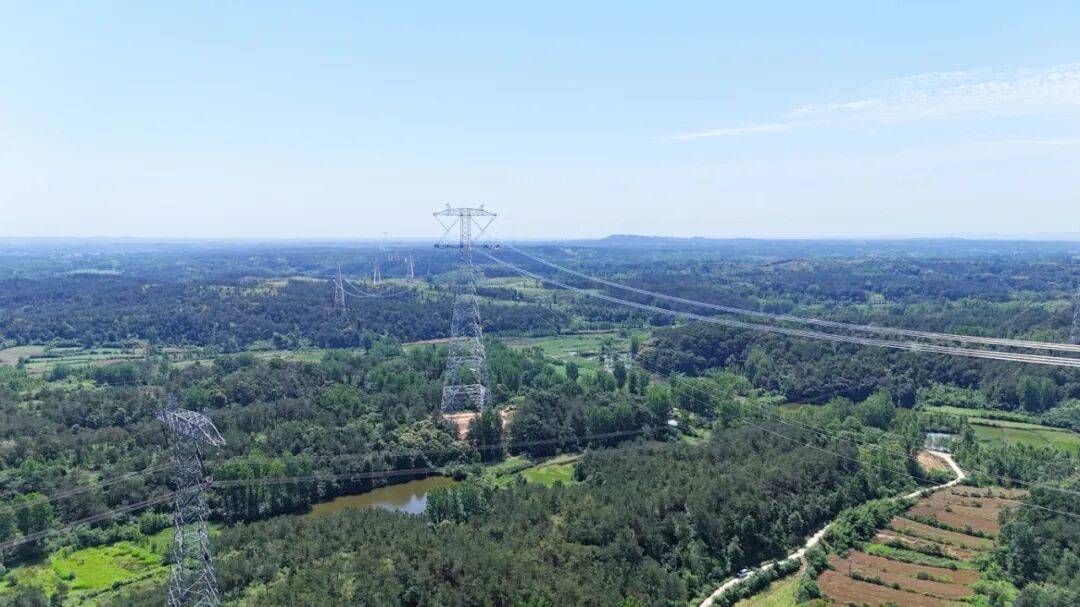
Once completed and operational, the project will deliver over 36 billion kilowatt-hours of clean electricity to Zhejiang annually, equivalent to reducing carbon dioxide emissions by 17 million tons. This will promote the new energy consumption of large-scale wind and photovoltaic bases in the western "desert, gobi, and barren land" regions, optimize the allocation of Gansu's energy resources, and balance Zhejiang's medium- and long-term electricity supply and demand, contributing to national energy security and the "dual carbon" goals.
Related Products
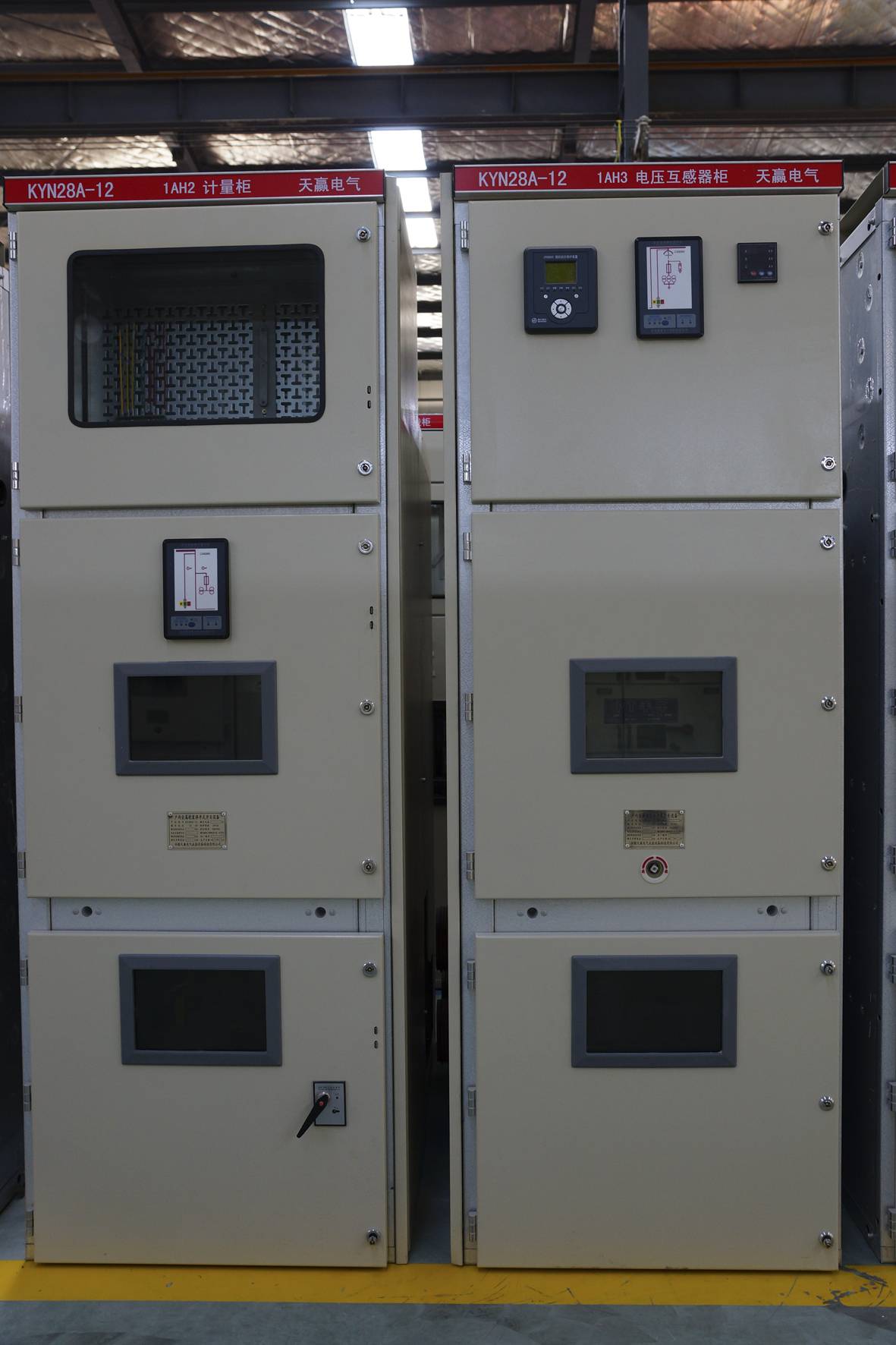

KYN28 - High Voltage Switchgear
Anhui Tianying Electrical Equipment Manufacturing Co., Ltd.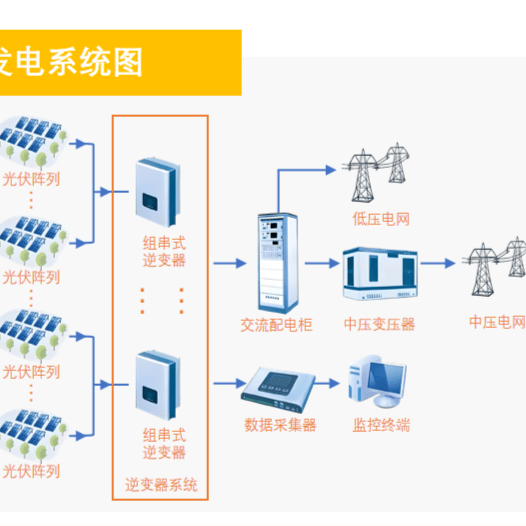
Photovoltaic and Wind Power Generation Technology
Beijing Boqi Electric Power SCI-TECH Co., Ltd.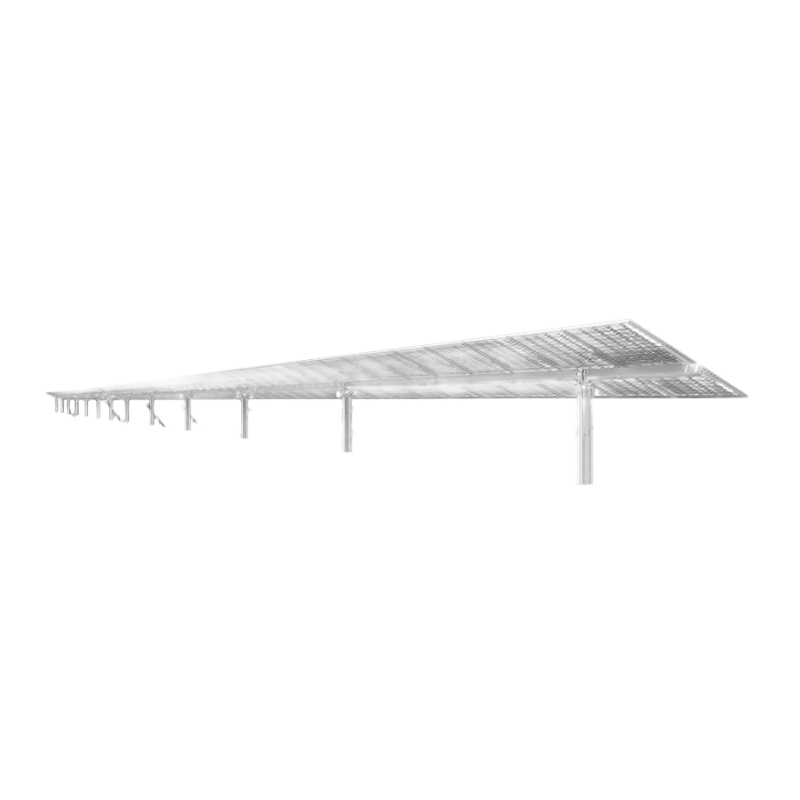
TAI Slew-drive Single-axis Independent 1P Tracking Bracket System
ANTAI TECHNOLOGY CO., LTD.
Perfluorinated Ionic Membrane-CM-10N Series Membrane
Guizhou Juneng Century Technology Co., Ltd
CITIC Heavy Industries Offshore Wind Power Equipment Hydraulic Pile Hammer
CITIC Heavy Industries Co., Ltd.
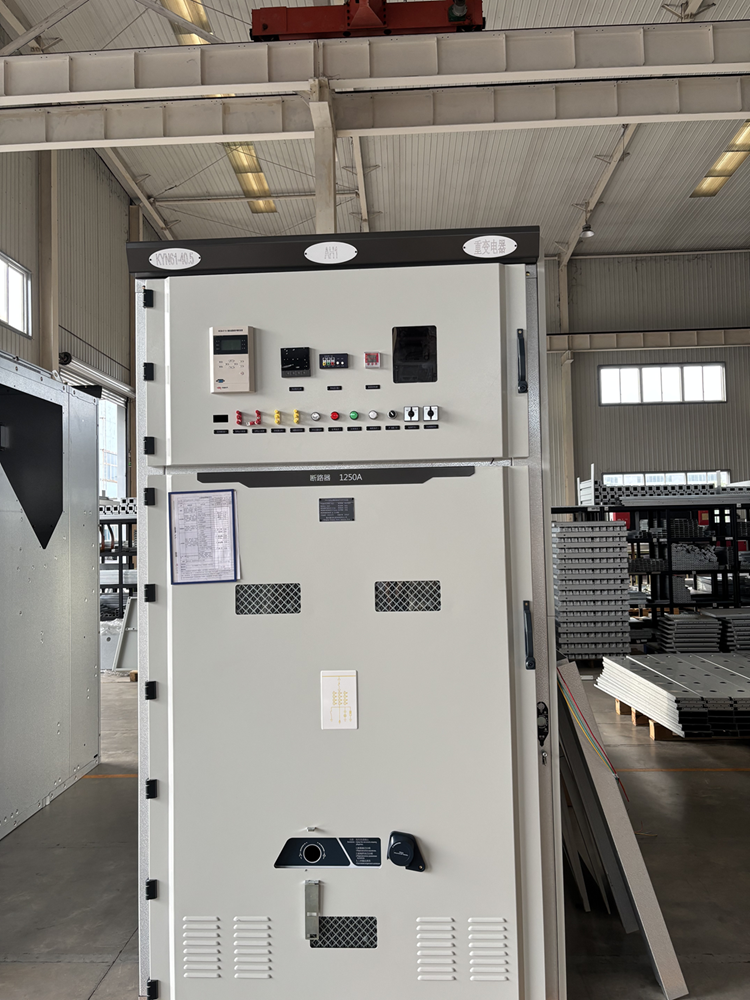
KYN61-40.5 Indoor AC Metal-clad Removable Switchgear
Chongqing Transformer Co., Ltd.