NVIDIA: Supercapacitors to Become Standard in AI Data Centers by H2 2027
en.Wedoany.com Reported - NVIDIA's roadmap reveals that the second half of 2027 will be a critical transition point for AI data center power supply architecture, with SuperCapacitors (SuperCap) upgrading from optional accessories to standard energy storage units in server rooms. As single-rack power surges from the traditional 10kW to over 200kW, high-density intelligent computing clusters impose higher demands on backup power and uninterruptible power supply systems.
The growth in computing power consumption directly reflects energy pressure. A standard Google search consumes about 0.3Wh, while an intelligent search task powered by a large model consumes 2.9Wh, an increase of approximately tenfold. Under large-scale operation, a single day's power consumption for similar large model services can reach 80GWh, with annual consumption exceeding 29.2 billion kWh. This trend is prompting the industry to reassess the shortcomings of traditional backup energy storage solutions.
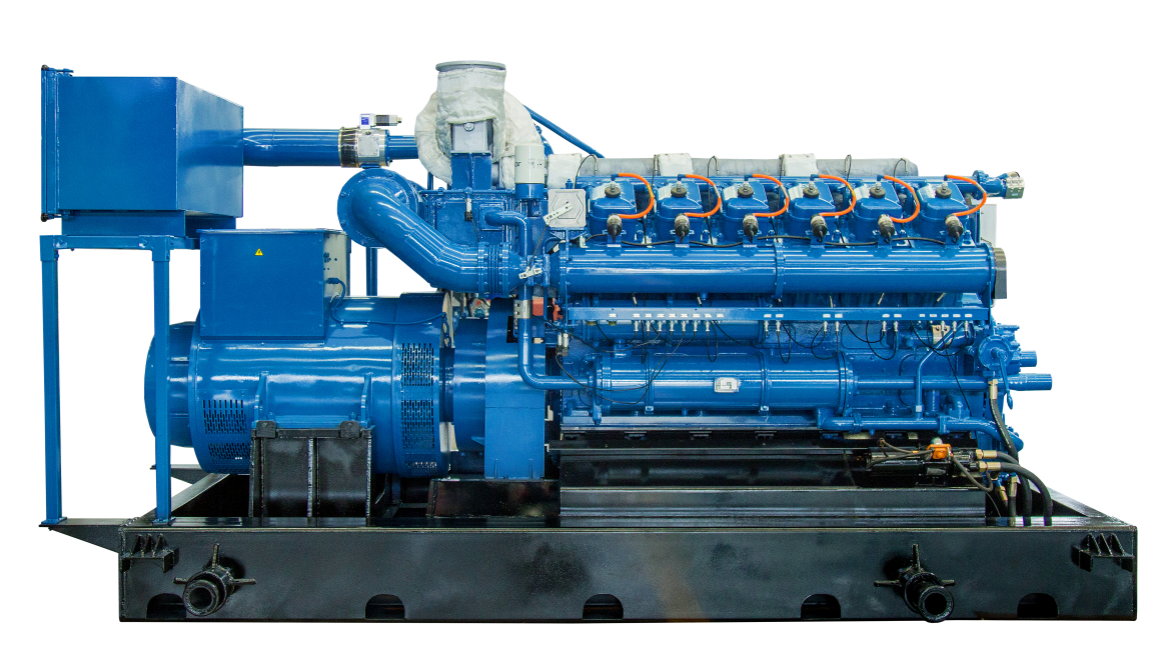
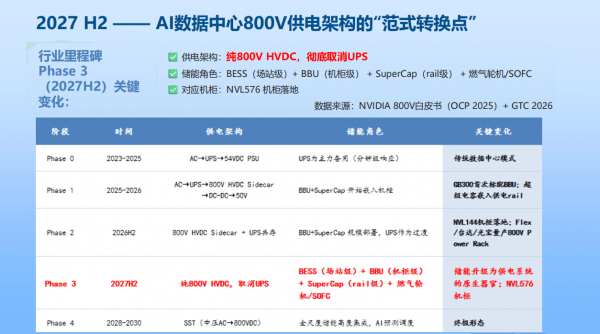
According to the evolution roadmap disclosed in NVIDIA's OCP2025 white paper and GTC2026, the AI data center power supply system is divided into five development stages. From 2023 to 2025, the traditional "AC mains + UPS + 54V PSU" scheme dominates. From 2025 to 2026, a transition period begins, with 800V HVDC Sidecar gradually being implemented, and BBUs paired with supercapacitors starting to be deployed inside racks. In the second half of 2026, the 800V DC architecture coexists with the original UPS. By the second half of 2027, the industry undergoes a paradigm shift, with the pure 800V high-voltage DC architecture becoming widespread, UPS phased out, and a three-tier buffered energy storage architecture formed, combining site-level BESS, rack-level BBU, rail-level supercapacitors, and gas turbine units. From 2028 to 2030, relying on SST (Solid State Transformer), full-scale energy storage is highly integrated, entering the ultimate form of AI active scheduling.
Traditional lead-acid batteries and conventional lithium batteries struggle to adapt to high-density intelligent computing scenarios. Lead-acid batteries have a power density of only 0.1 to 1 kW/L and a cycle life of just 500 to 1000 cycles, requiring regular maintenance and replacement, and cannot match high-power computing loads. Conventional lithium batteries have a moderate power density, with a maximum cycle count of 3000 cycles, rapid degradation under high-frequency charge and discharge, and prominent risks of thermal runaway, fire, and explosion. Both solutions share three major industry pain points: power supply disturbances cause GPU power spikes to drop, with approximately 80% of computing stability failures stemming from power fluctuations, leading to up to 40% effective computing power loss; persistent battery safety hazards can result in massive asset losses; and grid fluctuations in overseas scenarios can reach 15% to 20%, making traditional energy storage solutions difficult to adapt and hindering the overseas deployment of domestic AIDC solutions.
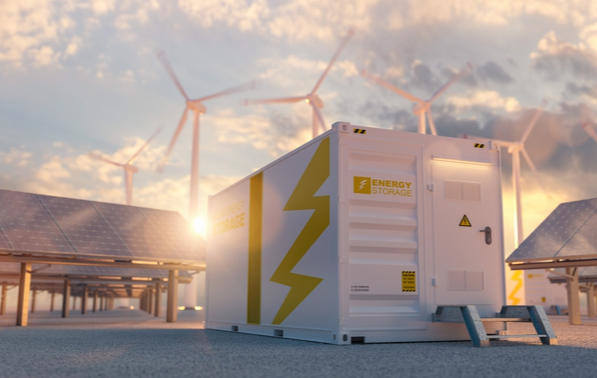
The roadmap shows that energy storage is no longer just a simple backup power source but has been upgraded to an integral part of the power supply system. With the deployment of NVL576 racks in 2027, single-rack power jumps from 120-150kW to 600kW or even 1MW, making the three-tier buffered energy storage architecture standard for AI factories. Supercapacitors, working in coordination with BBUs and site-level energy storage, can mitigate power supply risks caused by instantaneous fluctuations in computing loads.
In balancing power support and safety requirements, the Wanyu LCC lithium-carbon capacitor solution demonstrates advantages. This solution offers an energy density of 140 to 160 Wh/kg, a cycle life reaching millions of cycles, and fundamentally eliminates the risk of thermal runaway. Compared to lithium iron phosphate solutions, it has stronger adaptability in high-power pulse scenarios, increasing the single-rack power density limit by 150%. Leveraging its ultra-long cycle life, the equipment service life can reach ten years, reducing full lifecycle operation and maintenance costs by 40%, aligning with the high-frequency charge and discharge characteristics of high-density AI racks.
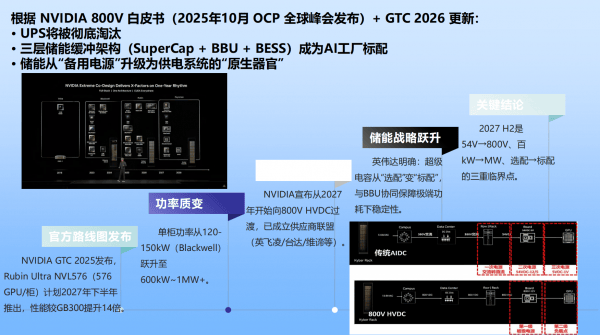
Across the entire AIDC industry chain, the second half of 2027 will be a triple tipping point: the evolution from 54V to 800V, the transition from hundred-kW to MW-level racks, and the shift of energy storage equipment from optional accessories to standard components. As leading overseas manufacturers advance the 800V ecosystem, new energy storage devices represented by supercapacitors will open up vast incremental space, becoming a key link in the upgrade of intelligent computing infrastructure.
Related Products

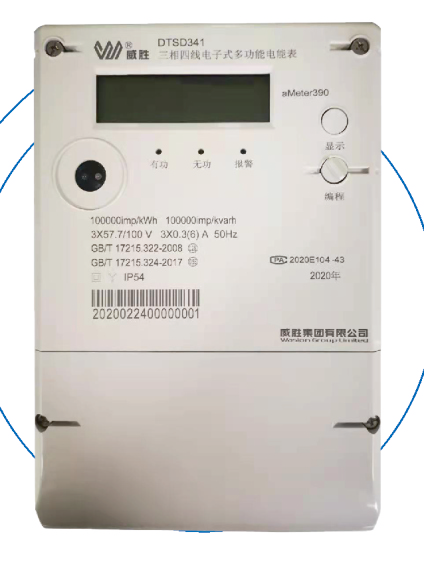
Overseas IEC Gateway Energy Meter - DTSD341/DSSD331-aMeter390
Wasion Group Limited Co., Ltd.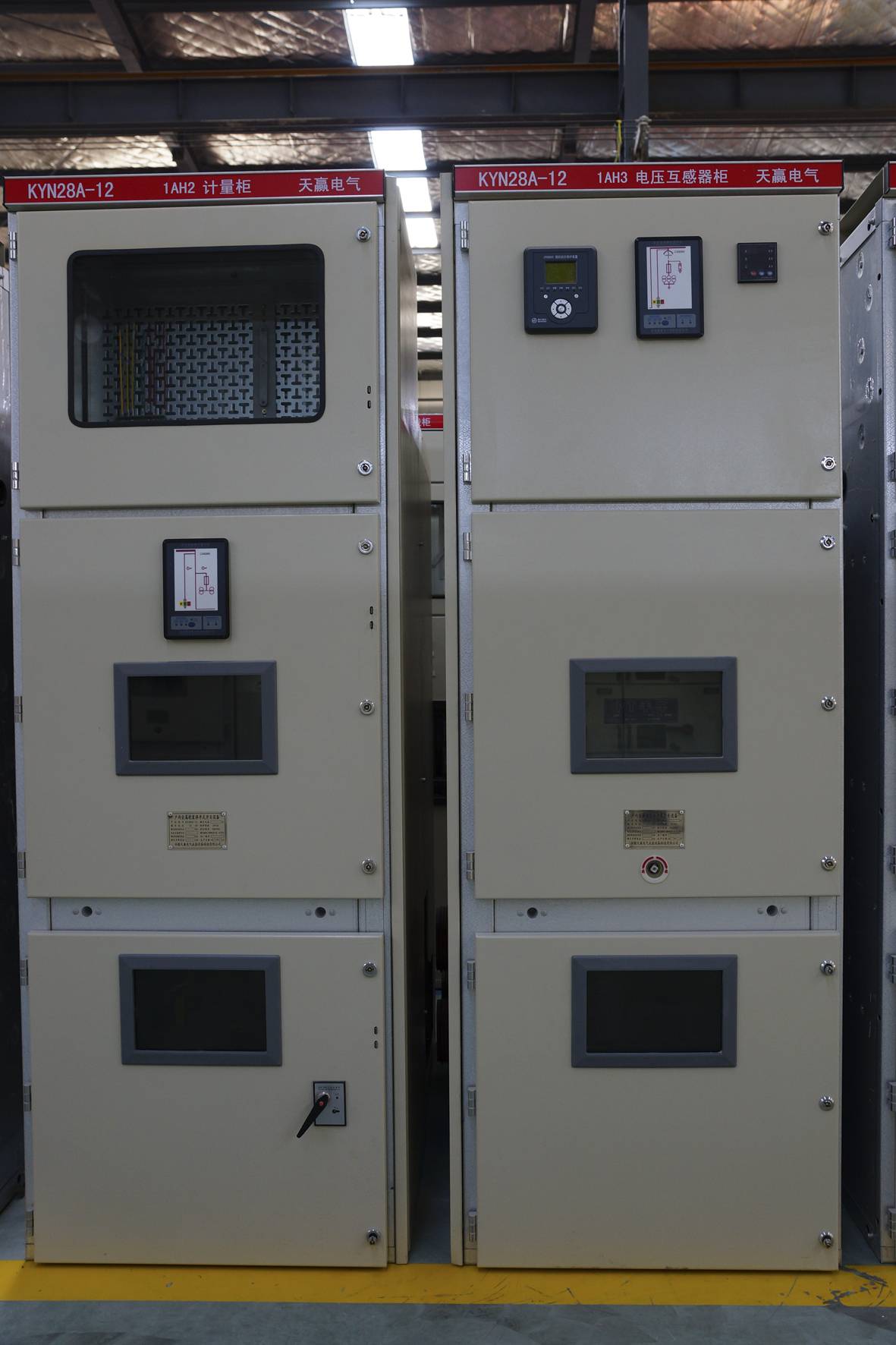
KYN28 - High Voltage Switchgear
Anhui Tianying Electrical Equipment Manufacturing Co., Ltd.
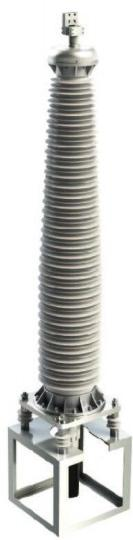
220kV Composite Outdoor Cable Terminal
Shenyang Guolian Cable Accessories Manufacture Co., Ltd.
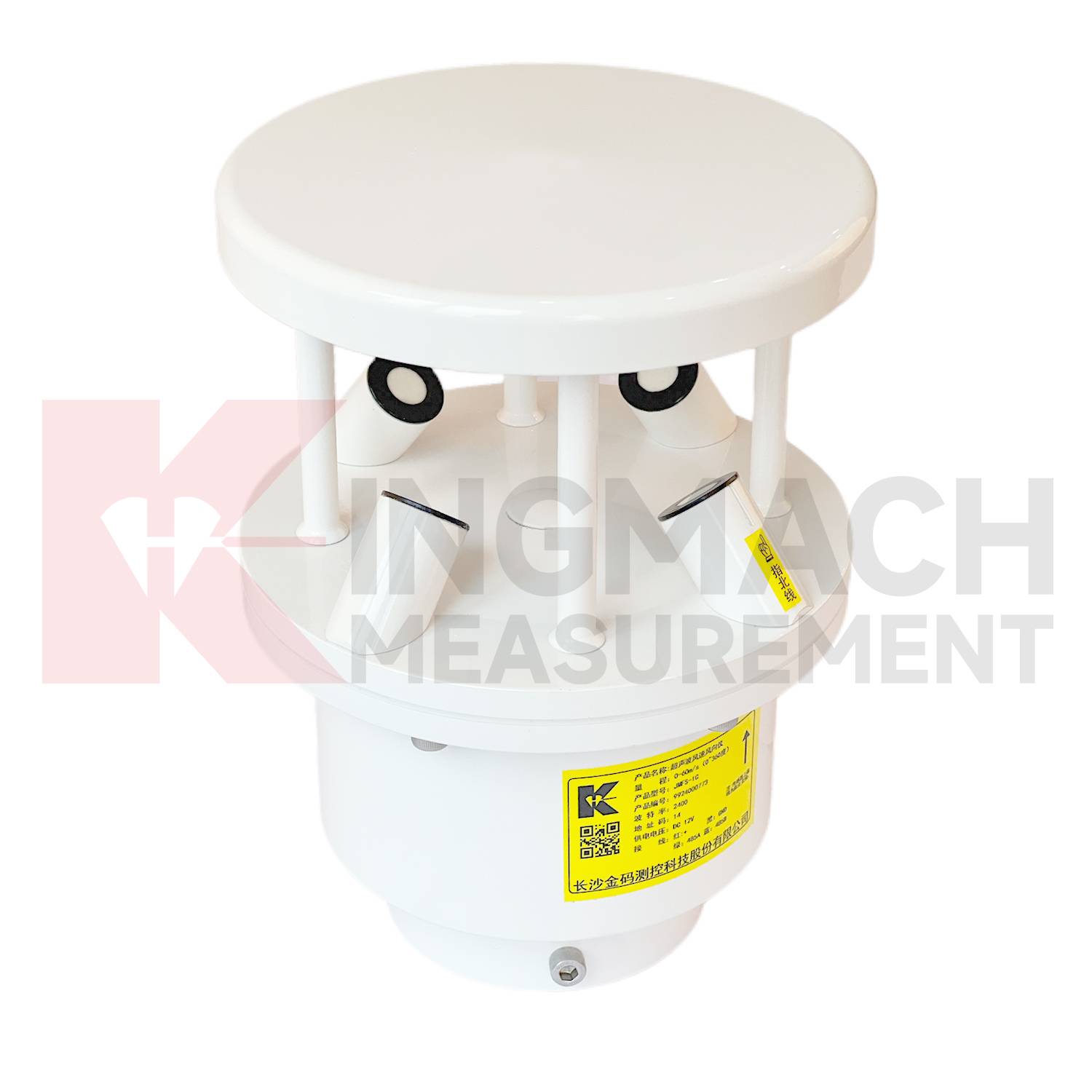
Ultrasonic Wind Speed and Direction Instrument
Kingmach Measurement & Monitoring Technology Co., Ltd.