Trump Trade War Costs Us Farmers Lucrative Chinese Export Market for Breeding Pigs, Cattle Semen
Wedoany.com Report-May 23, Dr. Mike Lemmon, an Indiana veterinarian and farm owner with over 30 years of experience in global pig breeding sales, faced a significant setback when a $2.4 million deal to export pedigreed pigs to Hangzhou, China, was canceled in April 2025. The pigs, valued at $2,500 to $5,000 each, were intended for Chinese hog farms but were sent to an Indiana slaughterhouse for less than $200 each after the buyer withdrew due to new trade challenges.
Young pigs feed in a pen during a hog farm tour in Ryan, Iowa, U.S., May 18, 2019.
China is a major importer of U.S. breeding pigs and livestock genetic material, including cattle semen, supporting its vast hog industry, which houses roughly half of the world’s pigs. The demand for U.S. breeding pigs surged after an African swine fever outbreak in 2018 devastated Chinese hog populations. Lemmon’s pigs, carefully bred for health, large litter sizes, and high fat content for premium pork, were part of a year-long effort to meet this demand. He expressed disappointment, stating: “It’s devastating when it happens.” Despite the loss, Lemmon remains committed to the breeding business and is working to revive the deal during a recent pause in trade tensions.
Tony Clayton, owner of Clayton Agri-Marketing in Missouri, highlighted the broader impact on U.S. livestock exporters, saying: “We’ve got brand damage now. There’s not a week that goes by without clients asking what’s happening with the U.S.” He added: “I don’t know how we can put this back together. This is long-term damage.” The industry faces challenges as international buyers consider alternatives from countries like Denmark.
The U.S. hog industry, valued at $37 billion, includes a niche market for breeding pigs, which are prized for their genetics to produce healthy, high-quality piglets. Shipping these animals is complex, requiring attendants to ensure their comfort during long flights. China’s dairy sector also relies heavily on U.S. cattle semen for its protein-rich milk production, but Jay Weiker, president of the National Association of Animal Breeders, noted: “Not one unit of semen is going to China right now.” This follows a decline in imports that began after a 2008 milk contamination issue prompted China to enhance its dairy cow genetics.
Brittany Scott, owner of SMART Reproduction Services in Arkansas, reported similar challenges, with foreign customers canceling orders for sheep and goat semen. She remarked: “The lost sales have been a punch in the gut.” Despite these setbacks, exporters and farmers are exploring opportunities to restore trade relationships and maintain their role in global livestock markets.
Related Products


714CD Series C-Band Weather Radar
Chengdu Zhongdian Jinjiang Information Industry Co., Ltd.
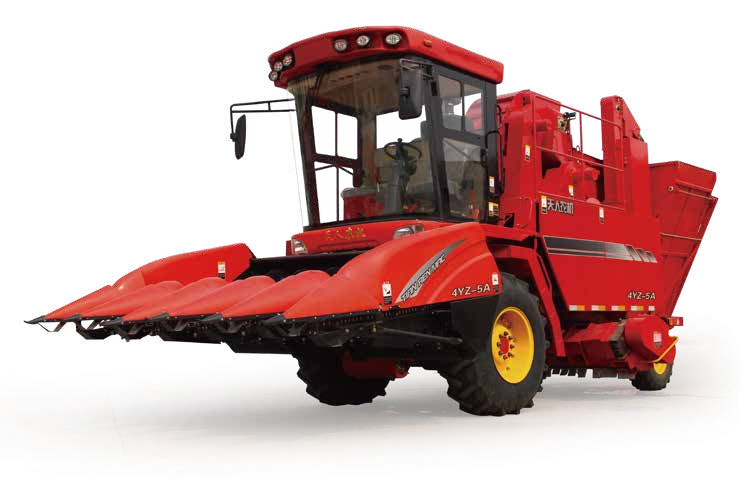
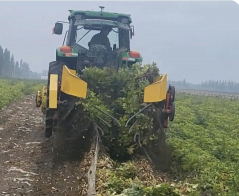
4HS-8 High-efficiency Peanut Inverted-laying Harvester
Hebei Yongfa Hongtian Agricultural Machinery Manufacturing Co., Ltd.
Industrial and Commercial Point-Type Gas Detector
Jinan Benan Technology Development Co., Ltd.