German Research Institutions Recommend Policy Support for Diversified Agricultural Cropping Systems
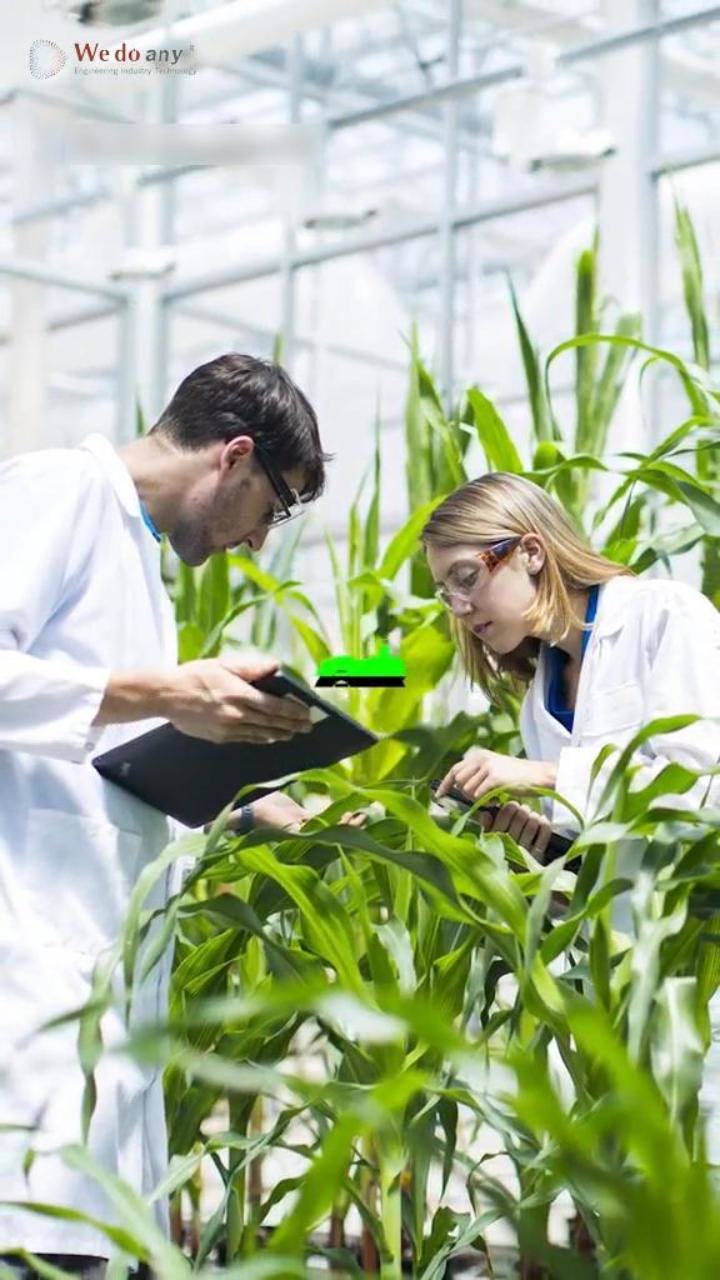
Wedoany.com Report on Feb 7th, The German Research Foundation (DFG) Senate Commission on the Transformation of Agriculture and Food Systems recently released its first official position paper, calling for increased political support to promote diversified cropping systems to foster sustainable and resilient agricultural development.
The Commission points out that German agriculture has gradually shifted towards specialized, low-diversity cropping models over the past few decades, particularly monoculture, primarily driven by the pursuit of yield optimization. While monoculture has improved production efficiency, it has simultaneously increased ecological and economic vulnerabilities, including reduced adaptability to climate change and deepened dependence on chemical inputs and global supply chains.
According to the paper, such systems can lead to reduced biodiversity and expose farmers to external shocks from extreme weather and market fluctuations. As an alternative, the Commission emphasizes that diversified cropping systems, such as extended crop rotations and mixed cropping practices, can improve soil health, mitigate pest and disease pressure, and enhance overall farm resilience.
The Commission describes diversification as a means to balance productivity with environmental sustainability while reducing long-term risks for agricultural producers. It adds that climate change, declining biodiversity, and instability in global markets make a fundamental transformation of agricultural systems unavoidable.
Diversified cropping systems are seen as a bridge connecting traditional agricultural knowledge with innovative practices, enabling future-oriented food production while maintaining ecological balance. The paper identifies major knowledge gaps limiting the broader adoption of diversified systems, particularly in understanding their impact on yield stability, ecological performance, economic viability, technological requirements, and social acceptance.
The Commission stresses that long-term and interdisciplinary research is crucial for understanding the complex interactions involved and supporting practical on-farm implementation. Despite existing incentives under the EU's Common Agricultural Policy, diversified cropping systems remain underutilized in Germany.
Barriers faced by farmers include limited support along the value chain, weak economic incentives, high initial investment costs, and uncertainty regarding agronomic and financial outcomes. Other challenges include a lack of suitable machinery and region-specific implementation strategies, highlighting the need for coordinated political and market solutions.
The Commission states that progress will depend on innovation in plant breeding, integrated farming systems, environmental protection, technological development, and economic assessment. It notes that site-adapted crop varieties, the integration of arable farming with livestock husbandry and agroforestry, and the use of digital technologies are key enablers for achieving diversification on a large scale.
The Commission calls for coordinated action by researchers, policymakers, and market participants to support the transition to adaptive cropping systems, ensuring food security, ecological sustainability, and long-term competitiveness for German agriculture.
Related Products


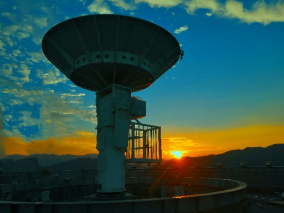
714CD Series C-Band Weather Radar
Chengdu Zhongdian Jinjiang Information Industry Co., Ltd.
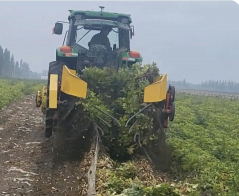
4HS-8 High-efficiency Peanut Inverted-laying Harvester
Hebei Yongfa Hongtian Agricultural Machinery Manufacturing Co., Ltd.
Industrial and Commercial Point-Type Gas Detector
Jinan Benan Technology Development Co., Ltd.