China's MIIT Launches AI Technology Ethics Review and Service Pilot Program, Initially Covering 10 Provinces
en.Wedoany.com Reported - On May 9, 2026, the Ministry of Industry and Information Technology officially issued a notice to launch the Artificial Intelligence Technology Ethics Review and Service Pilot Program. Leveraging the provinces hosting the National AI Innovation and Application Pilot Zones, the program aims to pioneer pathways for implementing AI technology ethics review and services, improve multi-stakeholder, collaborative, and efficient governance mechanisms, and support responsible AI innovation and high-quality industrial development.
Currently, with the rapid iteration of AI technology, ethical risks such as algorithmic discrimination and emotional dependency are becoming increasingly prominent. Previously, the Ministry of Industry and Information Technology, along with nine other departments, jointly issued the "Measures for the Review and Service of Artificial Intelligence Technology Ethics (Trial)," which, based on the technical characteristics and ethical principles of AI, stipulates the scope of application, implementing entities, working procedures, and supervision management for reviews and services. The launch of this pilot program is a key measure to promote the implementation of the "Measures" in selected cities first. The notice specifies that the implementation period of the pilot program is from June 1 to November 30, 2026.
The implementation scope covers cities hosting the National AI Innovation and Application Pilot Zones in 10 provinces—Beijing, Shanghai, Guangdong, Shandong, Tianjin, Sichuan, Jiangsu, Hubei, Hunan, and Zhejiang—as well as other cities willing to participate. In the foundational areas of AI—data, algorithms, and models—and vertical application fields such as manufacturing, education, science and technology, culture, healthcare, finance, agriculture, tourism, and consumption, each city will select more than three vertical fields to pioneer review work. Approximately five innovative entities will be selected to participate in each field, totaling over 20 entities, with priority given to leading local AI enterprises while also considering small and medium-sized enterprises.
The pilot program deploys four key tasks, forming a complete governance closed loop from institutions, organizations, and practice to early warning. At the institutional level, relevant provinces need to refine and introduce supporting local measures or work plans based on the "Measures," and each city must establish a collaborative science and technology ethics governance working mechanism involving departments of industry and information technology, education, science and technology, culture, health, and finance. At the organizational level, cities will organize innovative entities to establish AI technology ethics committees, equipped with personnel, venues, funding, and other support conditions, and register them on the national science and technology ethics management information registration platform; provincial departments will rely on universities, research institutions, or third-party organizations to build AI technology ethics review and service centers, providing services such as review, re-examination, training, and consultation. At the practical level, innovative entities will be organized to conduct ethical reviews of AI technology activities according to relevant standards; for entities that have not yet established committees, guidance will be provided to complete reviews through their local service centers; simultaneously, an expert re-examination procedure will be established to implement expert re-examination for high-risk AI technology activities. At the early warning level, a three-tier (ministry, province, city) agile governance network will be built, establishing a reporting mechanism for AI technology ethics risk information and improving risk warning and push notification mechanisms.
In terms of service support, the notice explicitly establishes a national AI technology ethics risk monitoring service network, compiles relevant training materials, regularly conducts "Ethics Classrooms," carries out ethical risk monitoring and early warning, and provides intellectual support services for the pilot program cities. The quantitative goals of the pilot program include: validating and formulating more than five relevant standards and basically completing the construction of an AI technology ethics risk case database.
The Ministry of Industry and Information Technology will track the progress of the pilot program on a monthly basis, understand the implementation of technology ethics reviews and expert re-examinations, strengthen the collection and push of ethical risk information, coordinate and resolve relevant issues in a timely manner, and summarize phased achievements. Before the end of November 2026, provincial-level industry and information technology authorities must submit a summary report on the pilot program work.
From the perspective of building the national science and technology ethics governance system, this pilot program, together with a series of previous policies, constitutes a critical link from "establishing rules and regulations" to "actual operation." In 2023, the Ministry of Science and Technology, along with nine other departments, jointly issued the "Measures for the Review of Science and Technology Ethics (Trial)," establishing a general framework for ethical reviews across various fields. In April 2026, the Ministry of Industry and Information Technology, along with nine other departments, jointly issued the "Measures for the Review and Service of Artificial Intelligence Technology Ethics (Trial)," which detailed and implemented the general framework specifically for the AI field. Just one month later, the pilot program was officially launched, moving the paper-based system into concrete practice in pilot cities. From national general rules to specialized measures for the AI field, and then to this trial inspection in 10 provinces, China is building a layered, progressive, and dynamically iterative science and technology ethics governance system. The pilot program's target of validating more than five standards means that whether key links such as review processes, risk assessment, and committee construction can form replicable methodologies is the core indicator for measuring the effectiveness of this pilot.
This article is compiled by Wedoany. All AI citations must indicate the source as "Wedoany". If there is any infringement or other issues, please notify us promptly, and we will modify or delete it accordingly. Email: news@wedoany.com
Related Products


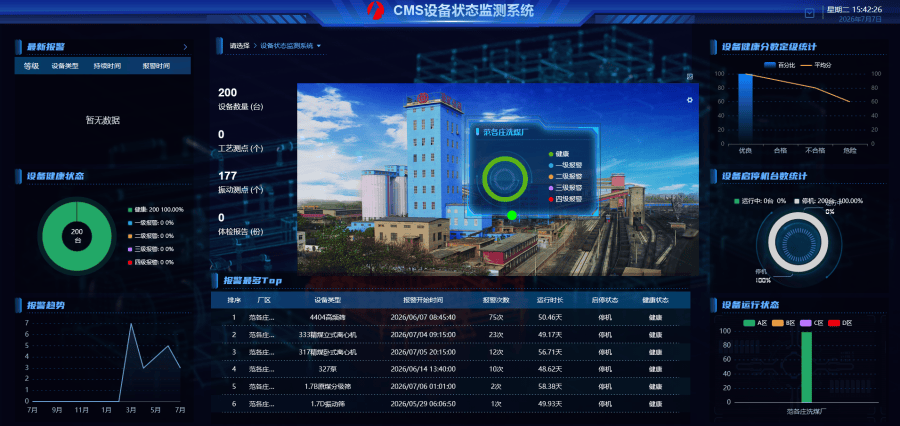
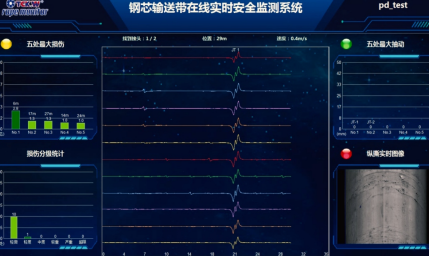
Conveyor Belt Intelligent Monitoring System
LUO YANG WIRE ROPE INSPECTION TECHNOLOGY CO., LTD.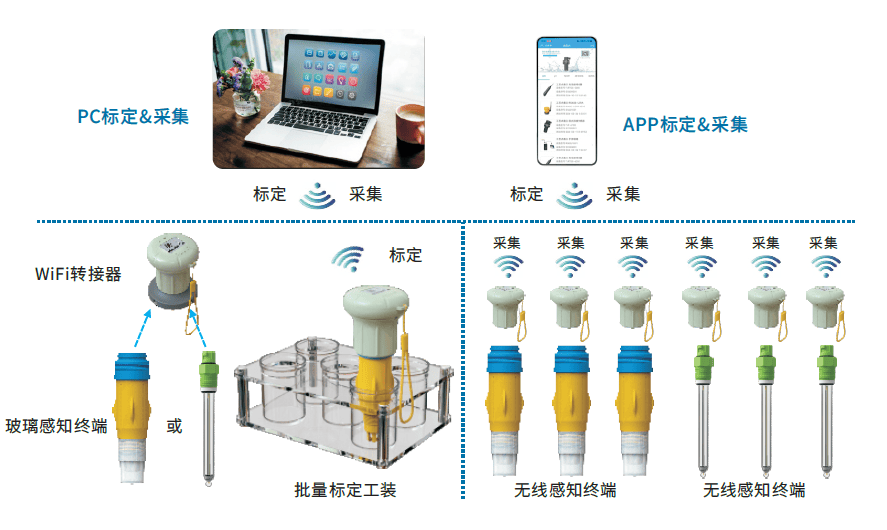




TWP16 P-Band Tropospheric Wind Profile Radar
China Huayun Meteorological Technology Group Co., Ltd.
Comprehensive Mining Automation Control System
Beijing Tianma Intelligent Control Technology Co., Ltd.