Brazilian Chamber of Deputies Committee Approves Salary Bill for Animal Science Professionals
en.Wedoany.com Reported - The Constitution, Justice and Citizenship Committee (CCJ) of the Brazilian Chamber of Deputies approved Bill No. 2816/23 in a final vote, formally incorporating animal science professionals into the existing industry minimum wage protection system. The proposal places animal science practitioners alongside professions such as engineers, agronomists, and veterinarians, granting them the same salary floor. The next step is for the legislation to be sent to the Presidency for approval, unless an appeal is filed requiring it to be submitted for plenary deliberation.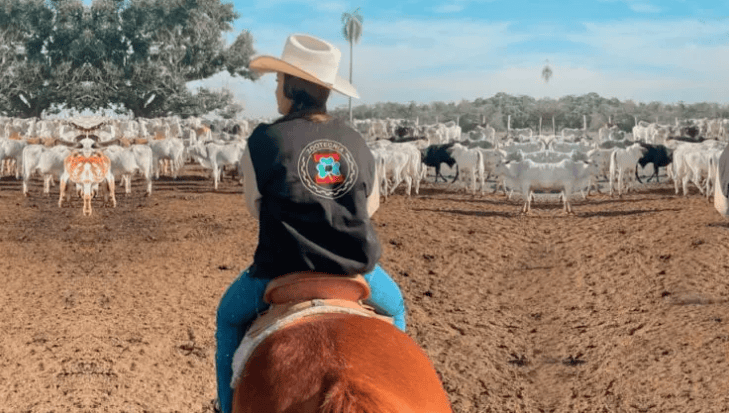
Under the adjusted rules, the income calculation method for animal science professionals follows the framework established by the country's Law No. 4,950-A/66. Using the 2026 minimum wage of 1,582 reais as a reference, for a 6-hour workday, the monthly salary floor is set at 6 times the minimum wage, i.e., 9,492 reais; for an 8-hour workday, it applies 8.5 times the minimum wage, reaching a monthly income of 13,447 reais. Hours worked beyond the sixth hour per day are subject to an additional 25% surcharge.
The bill's rapporteur in the Chamber, Federal Deputy Renilce Nicodemos, believes this amendment fills a long-standing institutional gap. She pointed out that when the current salary law was enacted in 1966, Brazil had no animal science graduates, and the first related undergraduate program was established precisely in that same year. In her review opinion approved by the committee, she stated bluntly: "Nearly six decades later, updating this regulation is fully justified and necessary to ensure pay equity and enhance the professional value of this category."
The approved text amends both the preamble and the main body of Law No. 4,950-A/66, formally including animal science graduates in the professional technical group covering fields such as engineering, chemistry, architecture, agronomy, and veterinary medicine. This congressional version, signed by Senate President Rodrigo Pacheco in December 2024, changes the legal basis for the profession's treatment in Brazil.
Industry bodies view this salary legislation progress as a pivotal milestone, especially considering Brazil's livestock herd ranks among the largest globally and animal production is accelerating towards intensification and data-driven models. Professionals are widely involved in animal nutrition, genetic improvement, confinement management, dairy production, diet formulation, and animal welfare, and are also distributed across roles in slaughtering and processing, cooperatives, the feed industry, and scientific research and consulting. The new salary benchmark is expected to enhance career attractiveness, narrow pay gaps, and further embed technical expertise across all links of the animal production chain.
This article is compiled by Wedoany. All AI citations must indicate the source as "Wedoany". If there is any infringement or other issues, please notify us promptly, and we will modify or delete it accordingly. Email: news@wedoany.com
Related Products



714CD Series C-Band Weather Radar
Chengdu Zhongdian Jinjiang Information Industry Co., Ltd.
4HS-8 High-efficiency Peanut Inverted-laying Harvester
Hebei Yongfa Hongtian Agricultural Machinery Manufacturing Co., Ltd.



Industrial and Commercial Point-Type Gas Detector
Jinan Benan Technology Development Co., Ltd.