Final Investment Decision for Uganda's Hoima Oil Refinery to be Signed in 2027, with Commissioning Planned Before 2030
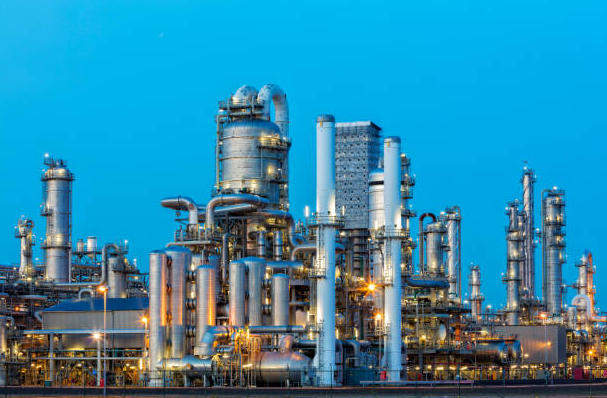
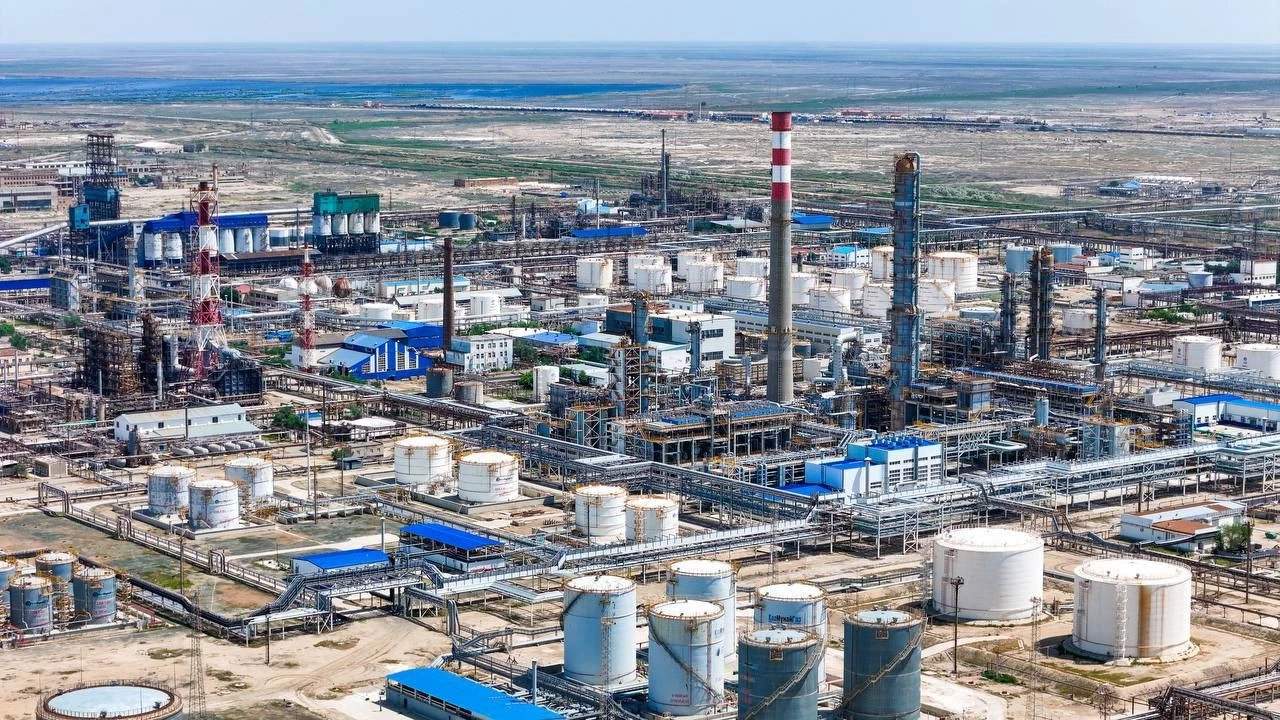
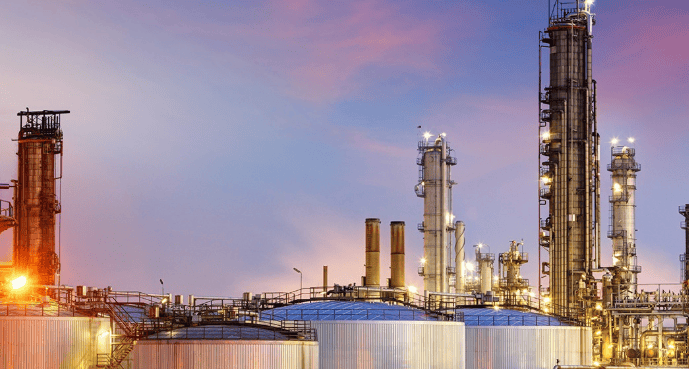
en.Wedoany.com Reported - The Hoima Oil Refinery project in Uganda has recently entered a critical development phase. The project is being advanced through a partnership between the Uganda National Oil Company (UNOC) and the UAE-based Alpha MBM Investments LLC, with an estimated cost of US$4 billion. The Final Investment Decision (FID) is expected to be signed in 2027, and the refinery is anticipated to be commissioned by the end of 2029 or in 2030. The facility, located in Kabaale, Hoima District, is designed to process 60,000 barrels of crude oil per day, aiming to reduce Uganda's dependence on fuel imports and save over US$1.2 billion annually.
In April 2026, Kenya officially announced plans to acquire a strategic stake in the Hoima refinery, a move seen as a reciprocal action following Uganda's acquisition of a 20.15% stake in the Kenya Pipeline Company (KPC). This cross-border cooperation is viewed as a cornerstone for the integration of the East African energy market. Current project progress includes the near completion (96%) of Kabalega International Airport and the ongoing construction of a 211-kilometer multi-product pipeline that will transport refined fuel to a distribution hub in Mpigi District.
Early planning for the project began in June 2014, when the Ugandan government announced the acquisition of 29 square kilometers of land in Kabaale Village, Hoima District, for the refinery and associated facilities. The plan was for a two-phase development, with an initial processing capacity of 30,000 barrels per day and commissioning in 2017, followed by an expansion phase in 2020. In January 2015, Kenya's Energy and Petroleum Principal Secretary, Joseph Njoroge, confirmed Kenya's agreement to acquire a 2.5% stake in the Ugandan refinery, valued at US$61 million. He stated: "In the spirit of regional integration, we are committed to supporting each other in key infrastructure projects, and we will support Uganda's project. We will take a minimum 2.5% stake in the refinery project."
In February 2015, Russia's RT Global Resources was selected as the preferred bidder to lead the construction of the refinery. Uganda's Minister of Energy and Mineral Development, Irene Muloni, said at the time: "The process of selecting a lead investor for the Uganda Refinery Project was competitive. We are pleased that two bidders responded to the final request for proposals, and RT Global Resources emerged as the selected preferred bidder." The consortium included VTB Capital, Telconet Capital, Tatneft, and GS Engineering, among others. Kenya and Rwanda planned to purchase stakes.
In July 2016, RT Global Resources withdrew from the deal under unclear circumstances. The Ministry of Energy stated the group "failed to negotiate in good faith" and "failed to execute" the shareholders' agreement, and that the government had paid a US$2 million bid bond. Uganda subsequently began negotiations with South Korea's SK Engineering, but SK also withdrew in 2017 due to an inability to take on the risk of a stake of up to 60%. The government then shifted to a public-private partnership model.
In July 2019, while meeting a delegation from the Albertine Graben Refinery Consortium (AGRC), Ugandan President Yoweri Museveni stated: "The upstream projects are moving in the right direction, and so is the Final Investment Decision. We are working to ensure the refining industry starts production. Land is not an issue. Building the plant is the minimum requirement. The goal is to get the oil companies involved in the pipeline." AGRC members included YAATRA, Saipem SpA, LionWorks Group, and Baker Hughes General Electric. Uganda has over 6.5 billion barrels of oil reserves, with CNOOC, TotalEnergies, and Tullow holding equal stakes in the Albertine Graben fields.
In November 2019, the Africa Finance Corporation (AFC) signed an agreement during Africa Oil Week in South Africa to advance US$20 million for the project. Other potential financiers included the African Development Bank and the U.S. Prosper Africa initiative. Uganda holds a 40% stake in the refinery, Kenya committed to 2.5%, Tanzania sought 8%, with stakes for other countries undetermined; TotalEnergies increased its stake from 10% to 11.5%. The AGRC was also required to build product storage facilities and a 205-kilometer product pipeline from Hoima to Kampala, serving neighboring countries, with plans for a northward connection to South Sudan. The refinery's products include diesel, gasoline, kerosene, jet fuel, LPG, and heavy fuel oil, expected to save Uganda US$1 billion annually.
In May 2022, while launching the National Oil Spill Contingency Plan, Uganda's Energy Minister, Ruth Nankabirwa, stated that the AGRC had made significant progress ahead of the Final Investment Decision, with the refinery expected to be commissioned in 2027. She said: "The AGRC has made remarkable progress in the pre-Final Investment Decision, and the consortium will accelerate all outstanding activities to advance the refinery's Final Investment Decision."
This article is compiled by Wedoany. All AI citations must indicate the source as "Wedoany". If there is any infringement or other issues, please notify us promptly, and we will modify or delete it accordingly. Email: news@wedoany.com