Brazilian Fed Cattle Market Sees Seasonal Correction in May; Active Exports and Tight Supply Sustain Market Tone
en.Wedoany.com Reported - At the start of May, the fed cattle market in several Brazilian livestock regions felt pressure from the processing sector, but this has not shaken the industry's assessment of the market's fundamental outlook. Scot Consultoria analyst Felipe Fabbri believes the current movement is a typical seasonal adjustment, not a structural downturn. He pointed out: "The drop in the arroba price in May is a correction, not a crisis." The tax-deferred payment price for "China cattle" in São Paulo state fell back to R$360 per arroba this week, a decrease of R$2 from the previous period, representing a natural pullback after several consecutive months of increases.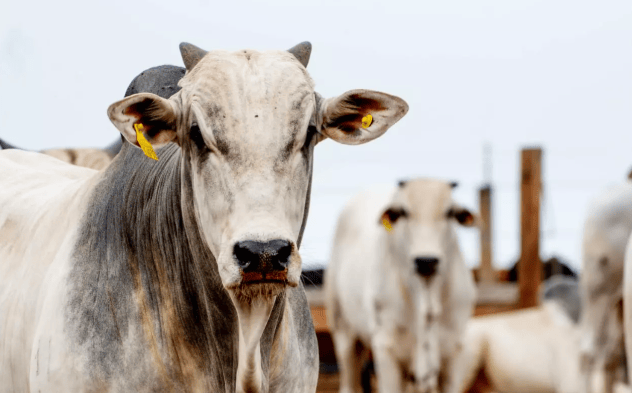
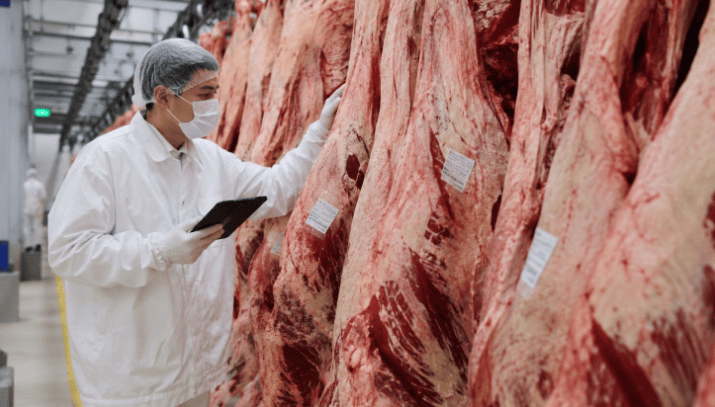
The market's resilience is mainly underpinned by three factors: tight fed cattle supply, continued active beef exports, and the difficulty slaughterhouses face in filling their slaughter schedules without paying premiums. Some slaughterhouses with more flexible schedules did temporarily reduce their immediate procurement volumes, thereby lowering bid prices in certain regions, but the overall scarcity of slaughter-ready cattle remains unchanged. Consultancy Agrifatto noted that batches capable of meeting quick delivery requirements are particularly sought after, and ranchers holding standardized export-grade cattle can often close deals at prices above the market average.
The export sector continues to provide support for the fed cattle market. Brazilian beef shipment volumes have remained strong since the start of 2026, with exports to China remaining one of the main destinations. Safras & Mercado analyst Fernando Henrique Iglesias stated that the market is closely monitoring the utilization pace of the 1.1 million-ton export quota to China, with the possibility of it reaching its ceiling earlier than expected. Even so, the current shipment flow shows no signs of weakening and still provides substantial backing for arroba prices. On the domestic demand side, the consumption peak around Mother's Day also provided some cushion for prices this week, softening the magnitude of the price correction.
The slaughter scheduling situation varies across regions. Mato Grosso state showed the opposite trend, experiencing shortened schedules and a need to readjust procurement efforts, further confirming the limited fed cattle supply capacity in the main producing regions. Following the progression of the cattle cycle and the retention of females, the availability of cattle ready for slaughter has become even tighter. The ranch sector remains generally cautious, with few producers willing to sell at low prices, and the supply of export-standard cattle remains narrow. In São Paulo, the price benchmark, regular fed steers are quoted at around R$355 per arroba, while "China cattle" remain near R$360. Regarding spot reference prices, Goiás is around R$338.79, Minas Gerais R$339.06, Mato Grosso do Sul R$348.52, and Mato Grosso R$355.00.
The futures market also experienced a decline. The July fed cattle contract on the Brazilian stock exchange B3 settled at R$336.10 per arroba, a drop of 1.29%. Multiple institutions assess that this correction stems more from technical trading and the seasonal transition in May, and does not alter the fundamental support factors such as export demand, controlled supply, and the processing sector being forced to pay higher prices for acquisitions.
This article is compiled by Wedoany. All AI citations must indicate the source as "Wedoany". If there is any infringement or other issues, please notify us promptly, and we will modify or delete it accordingly. Email: news@wedoany.com
Related Products



Industrial and Commercial Point-Type Gas Detector
Jinan Benan Technology Development Co., Ltd.
714CD Series C-Band Weather Radar
Chengdu Zhongdian Jinjiang Information Industry Co., Ltd.
4HS-8 High-efficiency Peanut Inverted-laying Harvester
Hebei Yongfa Hongtian Agricultural Machinery Manufacturing Co., Ltd.